
The Well That Changed the World at 69 Feet
On August 27, 1859, Edwin Drake's drill stopped at 69.5 feet. A cast-iron pipe had solved the real problem and helped launch the modern oil industry.
By Ryan Nichols
- 125 total reach
- 0 reading now•0 active 24h
- 0 shares•0 inbound
- 0 comments
By Ryan Nichols
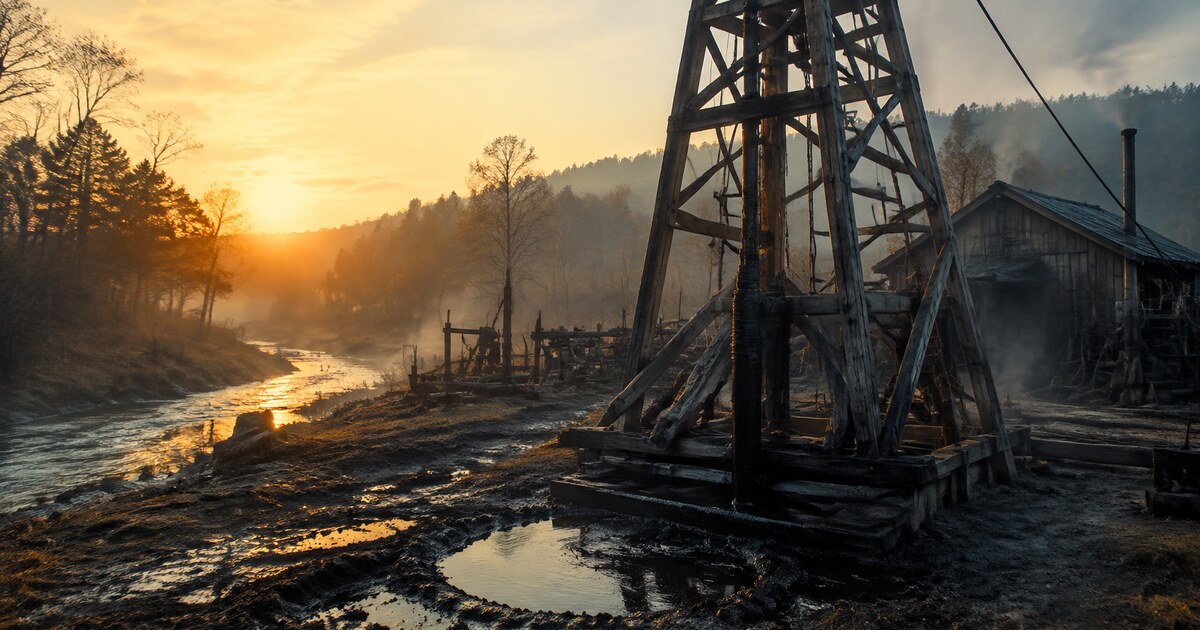
The drill stopped on a Saturday.
It had reached 69.5 feet near Titusville, Pennsylvania. The work had consumed time and money, the company had lost patience, and the men operating the rig had not yet seen the result they were chasing.
The next day, the driller looked into the pipe and found oil near the top.
August 27, 1859, is remembered as the day Edwin Drake's well struck oil. The date matters. The more useful part of the story is what made the drilling possible at all.
Drake did not invent petroleum. People had collected oil from natural seeps for centuries. He helped prove that oil could be reached through a repeatable drilling system. The breakthrough depended on solving the obstruction that kept destroying the attempt.
The hole would not stay open
The National Park Service's National Register record for the Drake Oil Well says the Pennsylvania Rock Oil Company sent Drake to inspect land near Titusville in late 1857. His report helped lead to a new company, and he took responsibility for producing oil.
Drake decided that quantity production required drilling. He eventually hired William “Uncle Billy” Smith, who had experience drilling salt wells. By early June 1859, they had raised a wooden derrick with a steam engine powering the drilling equipment.
Then the ground fought back.
As the drill went deeper, water caused the walls of the hole to collapse. More force would not solve that problem. More hours would only repeat it.
Drake obtained 50 feet of cast-iron pipe and drove it down to hold the sides open. The drill could then work inside the protected channel.
That pipe is the heart of the story.
The team did not merely work harder at the failing method. They changed the environment around the work so progress could survive.
{{< poll id="drake-well-1" question="What usually blocks a good idea in your work?" options="The process keeps collapsing|The goal is still vague|Money runs out too early|Nobody owns the next step" >}}
The result arrived after the stopping point
The NPS record says the drill reached 69.5 feet on Saturday, August 27. Smith returned on Sunday and saw oil inside the pipe, close to the top. Word went to Drake, who came the next morning.
The Library of Congress research guide to oil and gas history identifies the well as the first drilled oil well completed near Titusville on August 27, 1859. The discovery triggered an oil boom.
The sequence is worth noticing. Saturday's work did not end with a dramatic gush. The shift ended. The evidence appeared when somebody checked the system the next day.
Not every breakthrough announces itself at the moment the hard work happens. Sometimes the work creates a condition, and the result becomes visible later.
That does not mean every delayed project is secretly succeeding. It means a measurement point matters. A team needs to know what it will check, when it will check again, and what evidence will count.
The lesson connects to The Start Button Made a Complicated Machine Feel Possible. Good systems make the next useful action visible. They also make the result easier to observe.
The company had told him to stop
The same NPS record says company officers regretted spending $2,500 without producing oil and ordered Drake to stop. Drake had borrowed another $500 and continued.
That detail is tempting to turn into a slogan about ignoring everybody and believing in yourself. That would be too easy.
Persistence is not automatically wisdom. Plenty of people keep funding bad assumptions because they cannot admit the plan is failing.
Drake's persistence mattered because it was attached to a changed method. He did not simply repeat the collapsing hole. He used salt-well drilling experience, added the iron pipe, and kept testing a specific production theory.
The difference between stubbornness and disciplined persistence is evidence.
Stubbornness protects the original method. Disciplined persistence protects the goal while changing the method when reality demands it.
{{< poll id="drake-well-2" question="When a project stalls, what do you change first?" options="The method|The deadline|The budget|The goal itself" >}}
A boom does not guarantee a fair ending
The well changed an industry. Drake did not become permanently wealthy from it.
The NPS record says the company removed him as president in 1860. After later financial losses and poor health, he fell into poverty. People in Titusville raised money for him, and Pennsylvania eventually granted him an annual pension.
That part keeps the story human.
The person who proves a system can work is not always the person who captures the lasting value. Innovation, ownership, financing, timing, and protection of the idea are different jobs. A breakthrough can change the world while the builder remains financially exposed.
For business owners, the lesson is not merely to create. It is to connect the creation to durable ownership, records, distribution, and a way to keep participating in the value it produces.
The story of The Barcode Worked Because Everybody Agreed to Read the Same Lines shows the next part of that principle. An invention becomes infrastructure when a wider system agrees how to use it.
Build the pipe, not just the pressure
Drake's well is often told as a story about persistence. It is also a story about containment.
The ground kept collapsing into the work. The cast-iron pipe created a stable path. Once the path held, the drill could reach what effort alone could not.
Modern businesses have their own collapsing walls. Leads arrive with no follow-up. Knowledge lives in one person's memory. Payments are separated from delivery. A promising campaign creates more work than the team can track. Everybody adds pressure, but the path underneath the work will not hold.
The answer is not always another hour. Sometimes the answer is the pipe: one intake form, one owner, one follow-up rule, one shared record, one clear handoff, one measurement point.
Remove Friction Before You Add More Pressure offers a practical way to find that kind of failure in everyday work.
{{< poll id="drake-well-3" question="What does your work need most right now?" options="A stronger process|A clearer owner|A real measurement point|Permission to change methods" >}}
If you want more verified stories about the systems, decisions, and ordinary fixes that changed what came next, join the RealRyanNichols.com email and text list.
{{< share >}}
Verification note: Historical claims were checked against the National Park Service National Register record for the Drake Oil Well and the Library of Congress oil and gas industry research guide on August 27, 2026.
Editorial visual disclosure: The header image is an original AI-assisted historical illustration. It is symbolic and does not depict the Drake Well as documentary evidence or portray a real person's likeness.
You made it to the end
Most people quit at the headline. You didn’t.
So don’t stop here. Pick one.
Read the book
Fighting Shadows is the whole story in my own words: the road into January 6, the D.C. jail, and the fight to get the record out.See the book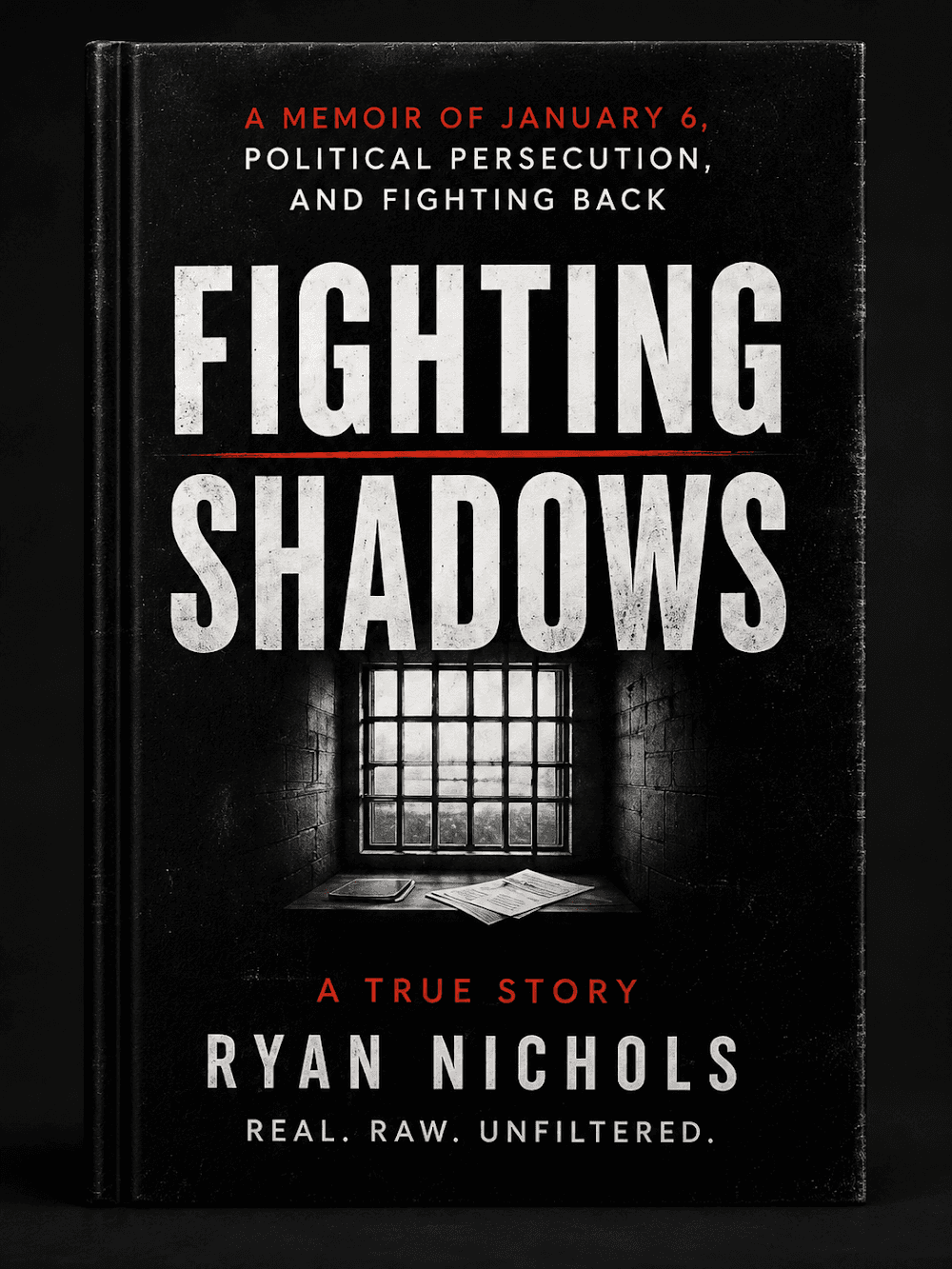
Follow the case
The record is still being written. Get one email when something new drops on it.
Hire Ryan
I built this site. Want one that brings your business real leads? Start with a free 30-minute call.See the services


Tap how this hits you — no signup, everyone sees the count
Share this post — get it back in front of people
Comments
Speak here
Create an account to comment.
This is where people can say what gets buried or cancelled elsewhere. Comments are signed-only, moderated, and tied to a real profile so the record stays usable.
No approved comments yet. Create an account and put the first opinion on the record.