
The Hotline That Was Never a Red Telephone
The Washington-Moscow hotline became operational on August 30, 1963. It was a written communications system built to replace dangerous delay and guessing.
By Ryan Nichols
- 170 total reach
- 0 reading now•0 active 24h
- 0 shares•1 inbound
- 0 comments
By Ryan Nichols
The most famous red telephone in history was not a red telephone.
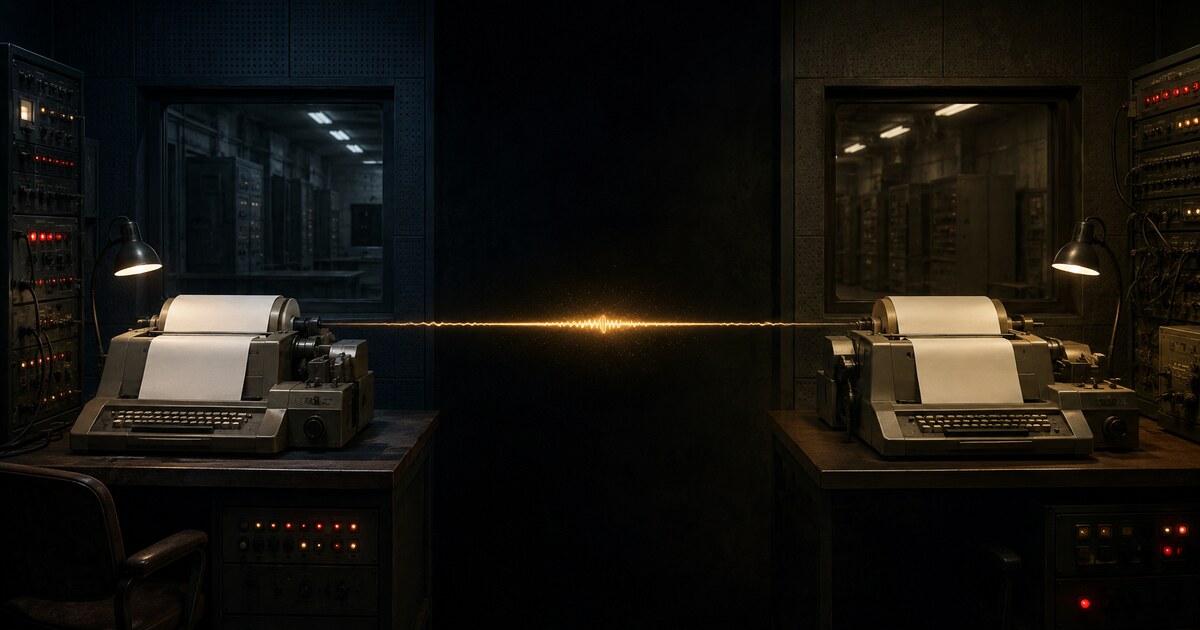
The direct link between Washington and Moscow began as a written communications system. Teletype equipment carried messages across a cable route, with radio serving as backup. Leaders did not grab matching handsets and argue in real time.
That popular image misses the more useful story.
After the Cuban Missile Crisis brought the world frighteningly close to nuclear war, the United States and the Soviet Union built a system designed to slow down misunderstanding by speeding up verified communication.
It became operational on August 30, 1963.
The first job of the hotline was not to make two enemies trust each other.
It was to give them a way to answer before they guessed.
The crisis exposed the cost of delay
During the Cuban Missile Crisis in October 1962, Washington and Moscow exchanged messages through diplomatic and commercial channels. A long, complicated message could take hours to transmit, translate, deliver, and answer while military forces were already moving.
The John F. Kennedy Presidential Library describes the crisis as thirteen days of confrontation after the United States discovered Soviet nuclear missiles in Cuba. It also identifies the later teletype hotline as one of the steps that signaled a warming of relations after the crisis.
The National Archives notes that the 1962 confrontation had far-reaching consequences, including installation of the first Washington-Moscow hotline in 1963.
Neither side became friendly. Neither side stopped preparing for conflict.
They agreed that delay and ambiguity were dangers of their own.
{{< poll id="hotline-1" question="What creates the most risk during a crisis?" options="Slow information|Unclear ownership|Assumed intent|No backup channel" >}}
The agreement built a route, not a relationship
On June 20, 1963, U.S. and Soviet representatives completed the agreement establishing the direct communications link. The State Department's Office of the Historian records the Geneva memorandum and notes that later agreements added satellite circuits.
The original system used a full-time wire telegraph circuit routed through London, Copenhagen, Stockholm, and Helsinki. A radio circuit served as backup. Terminals and encoding equipment were installed on both ends.
It was not built for casual conversation. Written messages created time to translate carefully and reduced the risk that an accent, poor connection, emotional interruption, or misunderstood phrase would turn pressure into catastrophe.
On August 30, the system was ready for testing. The first American transmission used a sentence containing every letter of the alphabet plus the numbers. Moscow answered with its own test. The point was mechanical and profound: every key had to work before a real crisis needed it.
The system was then tested regularly.
That detail matters. A backup plan that is never exercised is a hope, not a system.
The real innovation was removing the dangerous handoff
Before the hotline, a message moved through layers of technology, translation, diplomacy, and human delivery. Every handoff added time. Every delay created room for somebody to assume the worst.
The hotline did not eliminate translation or judgment. It reduced the distance between the people responsible for the decision.
That is the same systems lesson behind The First FedEx Night Moved 186 Packages Through One Hub. The value was not one plane or one employee. It was a route designed around the handoffs.
It also echoes The Start Button Made a Complicated Machine Feel Possible. Complex capacity is useless when the person under pressure cannot find a clear way into it.
In a family, business, emergency team, or public agency, the dangerous question is often the same: When this goes wrong, who talks directly to whom?
If the answer is “somebody will figure it out,” the crisis is already carrying extra weight.
{{< poll id="hotline-2" question="Where does your most important message face the worst handoff?" options="Customer to team|Field to office|Worker to owner|Family member to family member" >}}
A direct line still needs rules
A communication channel does not solve a conflict by itself.
The person sending the message still has to tell the truth. The person receiving it still has to listen. Both sides need to know who is authorized to speak, how identity is verified, what happens if the main path fails, and how the message becomes action.
The hotline worked as part of a protocol.
That is why “we have everybody's number” is not an emergency communications plan. A contact list without ownership, priority, confirmation, and backup is a directory.
The practical version can fit on one page:
- Name the event that activates the direct channel.
- Name the person responsible on each end.
- Define what information must be included.
- Require the receiver to confirm the message.
- Test the primary and backup paths on a schedule.
- Record what changed because the message arrived.
The Human Chain That Reached Across Three Countries tells a different kind of connection story. Its power also came from thousands of people understanding where they stood and what their presence meant.
Build the line before the emergency
The Washington-Moscow hotline is remembered because of the stakes surrounding it. Its operating lesson is much closer to home.
Do not wait for the argument, outage, lost customer, missing person, failed delivery, or public mistake to decide how important information will move.
Build the line. Name the owner. Create the backup. Test it while the room is calm.
The two governments did not build the hotline because they expected every future message to be easy. They built it because the next hard message was too important to leave inside a slow chain of assumptions.
{{< poll id="hotline-3" question="What direct line does your life or work need before the next crisis?" options="Family check-in|Customer escalation|Emergency operations|Leadership decision" >}}
For more verified stories about service, systems, rebuilding, and the decisions people make under pressure, join the RealRyanNichols.com email and text list. The next story will arrive through a line built before it is needed.
{{< share >}}
Verification note: Historical claims were checked against the U.S. Department of State Office of the Historian, the John F. Kennedy Presidential Library, the National Archives, and the Arms Control Association on August 30, 2026.
Editorial visual disclosure: The header image is an original AI-assisted historical illustration. It is symbolic, contains no real person's likeness, and is not documentary evidence of the hotline or its equipment.
You made it to the end
Most people quit at the headline. You didn’t.
So don’t stop here. Pick one.
Read the book
Fighting Shadows is the whole story in my own words: the road into January 6, the D.C. jail, and the fight to get the record out.See the book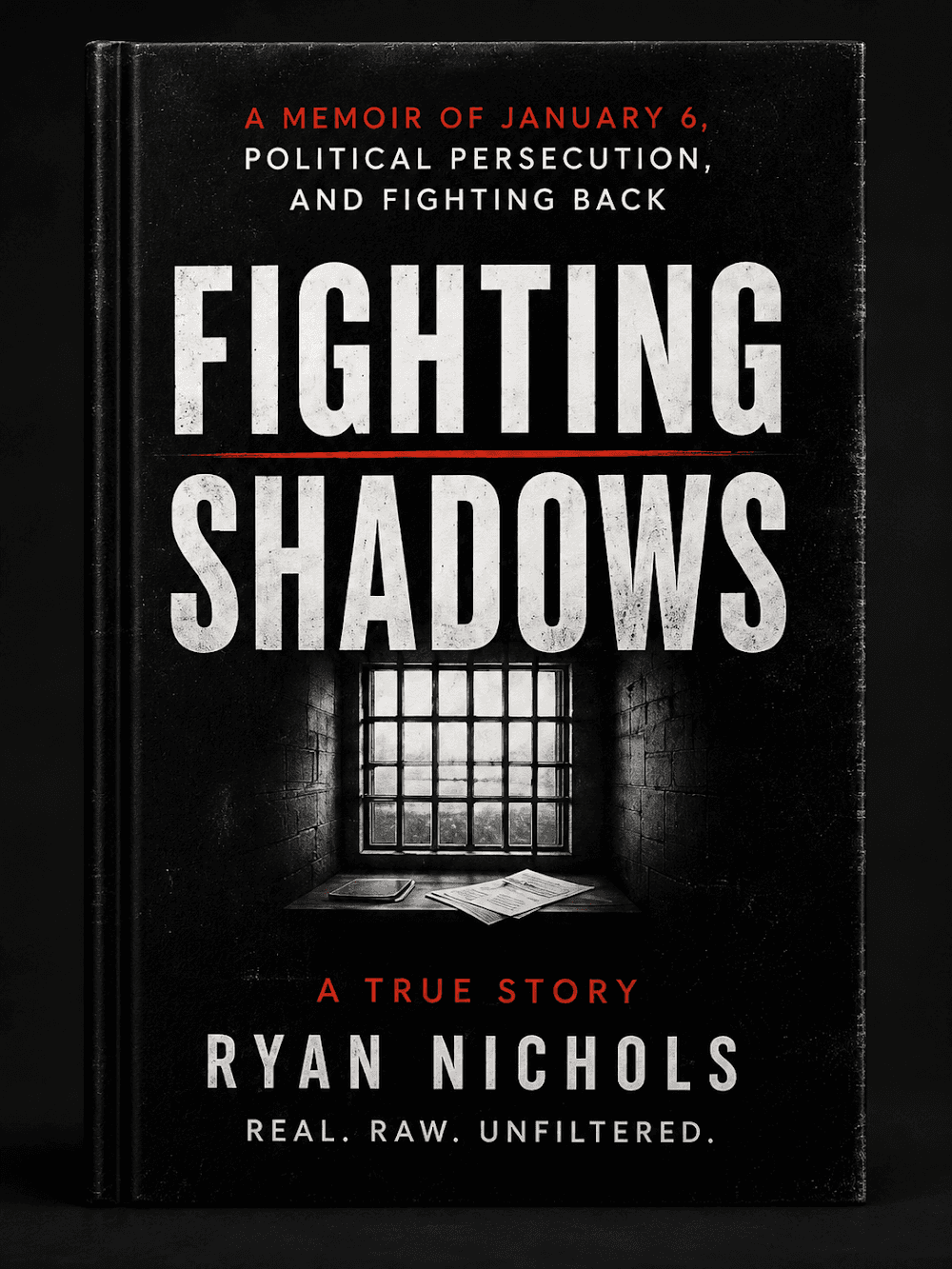
Follow the case
The record is still being written. Get one email when something new drops on it.
Hire Ryan
I built this site. Want one that brings your business real leads? Start with a free 30-minute call.See the services


Tap how this hits you — no signup, everyone sees the count
Share this post — get it back in front of people
Comments
Speak here
Create an account to comment.
This is where people can say what gets buried or cancelled elsewhere. Comments are signed-only, moderated, and tied to a real profile so the record stays usable.
No approved comments yet. Create an account and put the first opinion on the record.