
The Battlefield Memory That Became the First Geneva Convention
On August 22, 1864, twelve states signed the first Geneva Convention. The treaty turned battlefield horror into a rule that wounded enemies still matter.
By Ryan Nichols
- 528 total reach
- 0 reading now•0 active 24h
- 0 shares•3 inbound
- 0 comments
By Ryan Nichols
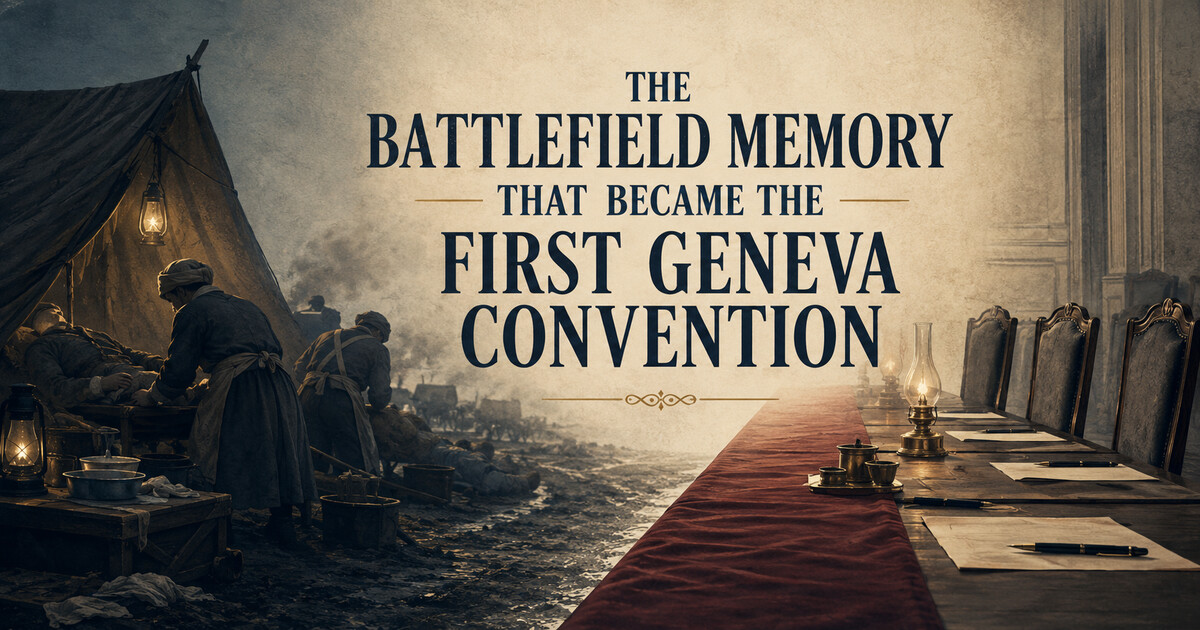
The battle ended before the suffering did.
On June 24, 1859, French and Sardinian forces fought the Austrian army near Solferino in northern Italy. Tens of thousands were killed, wounded, or missing. Medical services could not keep pace with the human wreckage left across the fields and nearby villages.
A Swiss businessman named Henry Dunant arrived in the area and joined local people organizing care for the wounded.
The sentence that became associated with the effort was simple: Tutti fratelli. We are all brothers.
The care was not supposed to depend on which uniform a wounded man wore.
Dunant carried the memory home. Then he did something that changed what memory could become.
He wrote it down, proposed a system, and kept putting the idea in front of people who had authority to act.
On August 22, 1864, twelve states signed the first Geneva Convention.
Reader poll
What turns compassion into lasting protection?
Tap your answer to vote
One tap. Free and anonymous. No signup to vote.
He did not stop at describing the horror
In 1862, Dunant published A Memory of Solferino.
The book did more than recount a battlefield. It proposed two practical ideas: permanent national relief societies trained in peacetime to care for wartime wounded, and an international agreement protecting the wounded and the people who treated them.
According to the International Committee of the Red Cross, Dunant joined four other men in Geneva in February 1863 to form the committee that became the ICRC.
That committee gathered representatives and kept converting moral urgency into operating details.
Who would provide care?
How would medical personnel be identified?
Would an army be required to treat an enemy soldier?
Could nations agree before the next war instead of improvising after it began?
The movement from grief to structure happened quickly because the proposal was concrete.
Twelve states put the principle into writing
The ICRC's treaty record identifies the agreement adopted in Geneva on August 22, 1864 as the Convention for the Amelioration of the Condition of the Wounded in Armies in the Field.
Sixteen states were represented at the diplomatic conference. Twelve signed the treaty.
The original convention was short and narrower than the international humanitarian law people know today. Its central protections were still revolutionary.
Wounded and sick soldiers were to be collected and cared for without distinction based on nationality. Medical personnel and facilities received neutral protection. A single distinctive emblem identified protected medical services.
The rule did not pretend war had become humane.
It established that even inside war, there were people and acts that could not be treated as ordinary targets.
The ICRC describes August 22, 1864 as the day twelve states signed a treaty requiring protection for wounded soldiers and the people and equipment involved in their care.
That is what Dunant's memory became: not only a warning, but a duty written before the next wounded man needed it.
Reader poll
What is the strongest part of the 1864 idea?
Tap your answer to vote
One tap. Free and anonymous. No signup to vote.
The first rule was not the finished system
The 1864 convention focused on wounded soldiers in armies in the field.
Later agreements expanded protection to warfare at sea, prisoners of war, and civilians. The four Geneva Conventions adopted in 1949 became the foundation most people mean when they use the phrase today. The ICRC reports that those four conventions have achieved universal ratification.
The history matters because people sometimes dismiss a first version for not solving the entire problem.
The first convention did not end war. It did not prevent every attack on the wounded or every abuse of medical protection. A signed rule is only as strong as the people who honor, teach, enforce, and defend it.
But the absence of perfect compliance does not make the boundary meaningless.
A rule gives witnesses language. It gives commanders a standard. It gives nations an obligation they can be judged against. It gives medical workers a recognized claim to protection.
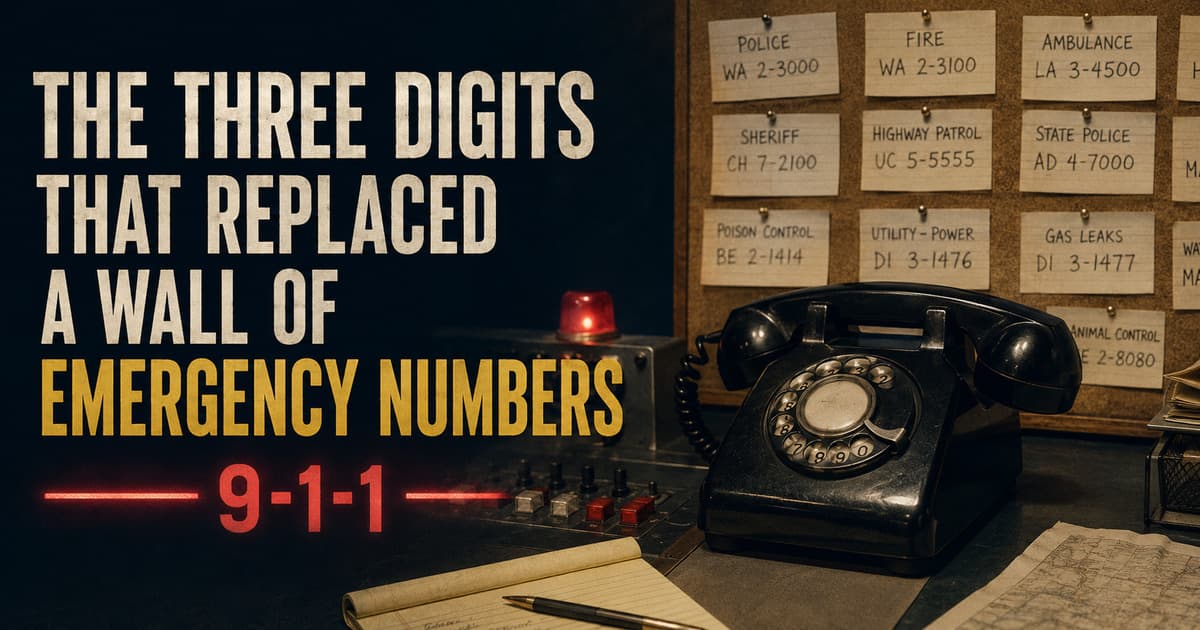
The Three Digits That Replaced a Wall of Emergency Numbers tells a similar systems story. One emergency number did not finish the response. It created a shared entrance and a promise about the handoff that followed.
The first Geneva Convention created a shared entrance into modern humanitarian law.
Service becomes durable when it survives the first volunteer
On the field after Solferino, care depended on the people who were present and willing to act.
That mattered. People lived because somebody carried water, dressed wounds, found shelter, or refused to ask which side a suffering man belonged to.
Dunant's larger achievement was recognizing that courage at the scene needed preparation behind it.
Volunteers needed training before the battle.
Medical services needed a common sign.
Governments needed an agreement before their interests collided.
Memory needed a structure strong enough to outlive the witness.
Four Life Jackets, Four Faiths, and a Choice Made in the Dark shows individual service under impossible pressure. The Berlin Airlift Kept a City Alive One Landing at a Time shows the other side of the same truth: compassion becomes durable when it is turned into schedules, routes, standards, and repeated work.
What should your memory become?
Most people will never negotiate a treaty.
They will still see failures that should not be repeated.
A dangerous handoff. A family that could not find help. A workplace incident nobody documented. A customer forced to retell the same problem. A volunteer who knew what to do but had no supplies.
The first response is to help the person in front of you.
The next response is to ask what would make help more reliable the next time.
Write the checklist. Train the second person. Publish the number. Define the boundary. Fund the supplies. Preserve the lesson where somebody else can use it.
On August 22, 1864, a battlefield memory became a written obligation because people refused to let horror remain only a story.
If this systems lesson stayed with you, read The Three Digits That Replaced a Wall of Emergency Numbers next. It is another story about turning confusion at the worst moment into a clearer path to help.
What failure have you witnessed that should become a rule, checklist, or system before it happens again?
Reader poll
What will you preserve from a hard lesson?
Tap your answer to vote
One tap. Free and anonymous. No signup to vote.
Sharing this is the biggest help. Put it in front of one more person.
Verification note: Historical claims were checked on August 22, 2026 against the ICRC treaty database, institutional history, and published historical timeline. The 1864 convention should not be confused with the four expanded Geneva Conventions adopted in 1949.
OG artwork disclosure: The social image is an original synthetic historical illustration. It is not archival evidence and does not depict Henry Dunant, the Battle of Solferino, the signing conference, or a real treaty document.
You made it to the end
Most people quit at the headline. You didn’t.
So don’t stop here. Pick one.
Read the book
Fighting Shadows is the whole story in my own words: the road into January 6, the D.C. jail, and the fight to get the record out.See the book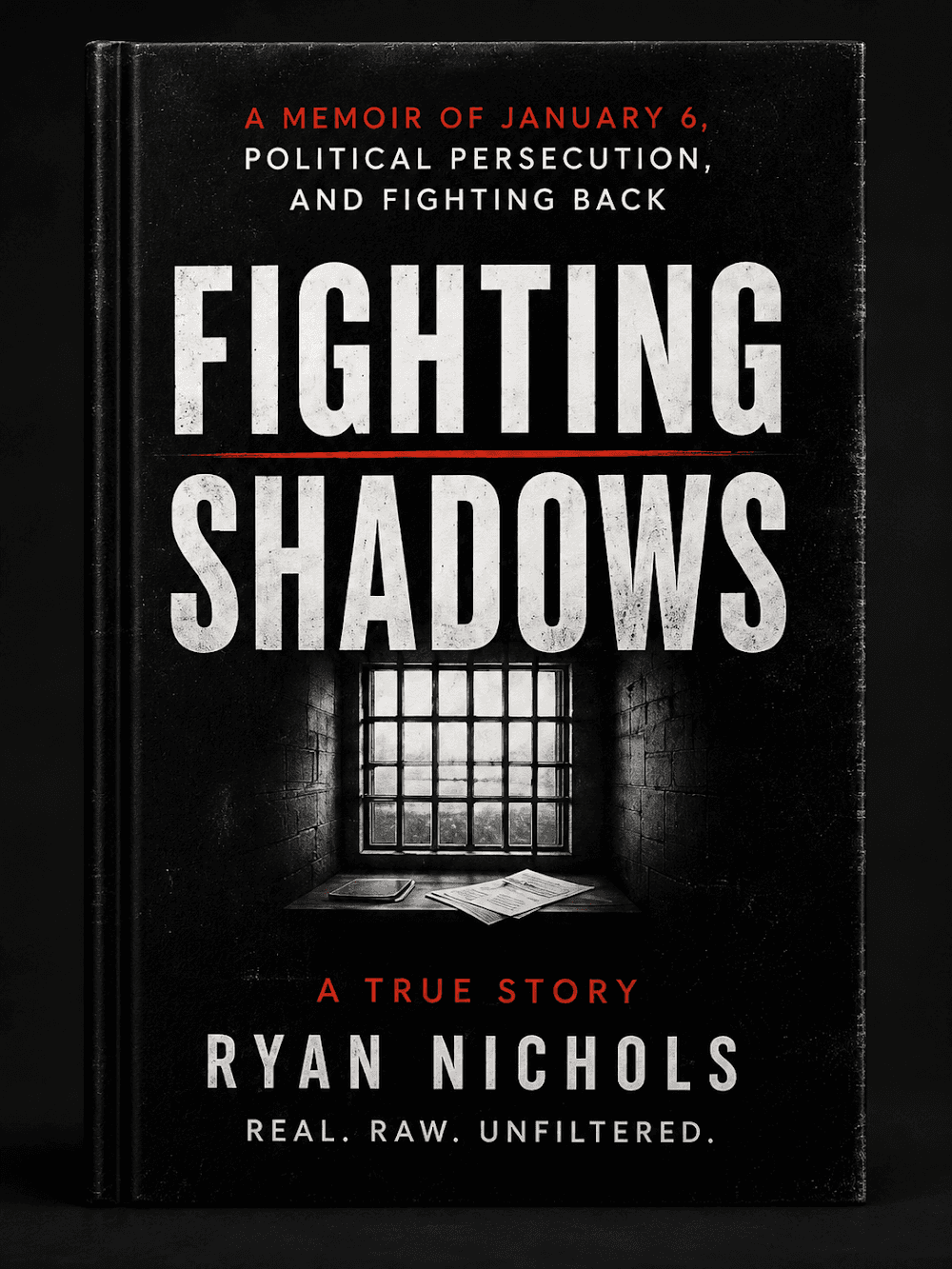
Follow the case
The record is still being written. Get one email when something new drops on it.
Hire Ryan
I built this site. Want one that brings your business real leads? Start with a free 30-minute call.See the services


Tap how this hits you — no signup, everyone sees the count
Share this post — get it back in front of people
Comments
Speak here
Create an account to comment.
This is where people can say what gets buried or cancelled elsewhere. Comments are signed-only, moderated, and tied to a real profile so the record stays usable.
No approved comments yet. Create an account and put the first opinion on the record.