
The Berlin Airlift Kept a City Alive One Landing at a Time
The Berlin Airlift delivered over 2.3 million tons without starting a war. Its lesson is what disciplined service can accomplish under extreme pressure.
By Ryan Nichols
- 137 total reach
- 0 reading now•0 active 24h
- 0 shares•0 inbound
- 0 comments
By Ryan Nichols
West Berlin was a city surrounded.
In June 1948, Soviet authorities blocked the rail lines, roads, and canals that carried food, coal, and other essentials into the American, British, and French sectors of Berlin. The city sat deep inside Soviet-controlled eastern Germany.
The Western Allies had ugly choices.
They could leave. They could try to force a land convoy through and risk a war. Or they could attempt something that looked too large to sustain: supply a city by air.
The answer began with cargo planes carrying powdered milk, flour, and medicine.
Then it became a system.
For fifteen months, aircraft kept arriving with the ordinary things human beings need to remain alive. Food. Coal. Fuel. Soap. Medical supplies. Machinery. Newspapers.
The Berlin Airlift did not succeed because of one dramatic landing. It succeeded because thousands of people made the next landing possible.
Historical facts and source links were verified August 15, 2026. The social artwork is a modern synthetic editorial scene, not an archival photograph.
Reader poll
What made the Berlin Airlift work?
Tap your answer to vote
One tap. Free and anonymous. No signup to vote.
A blockade without an easy answer
The U.S. State Department's official history of the Berlin Airlift says the blockade began June 24, 1948. About 2.5 million Berliners were living amid postwar rubble, scarce shelter, limited warmth, and the threat of hunger.
The United States launched Operation Vittles on June 26. Britain followed two days later with its own airlift.
The first American deliveries were small compared with what followed. The Air Force Historical Support Division records 32 C-47 flights carrying about 80 tons on the first day, mainly flour, powdered milk, and medicine.
But a city could not survive on a symbolic gesture. It needed daily volume, bad-weather reliability, maintenance, fuel, loading crews, radar control, and a schedule strong enough to continue when attention moved somewhere else.
The breakthrough was rhythm
Aircraft were grouped by type so controllers could manage planes with similar flight characteristics. Pilots followed a tight sequence. A plane that could not land returned to its base and reentered the cycle later rather than circling and clogging the corridor.
At the height of the operation, the State Department says one plane landed at Tempelhof every 45 seconds.
Think about what sits behind that number.
Cargo had to reach airfields before the aircraft. Loads had to be weighed and balanced. Runways had to remain open. Weather had to be tracked. Planes had to be unloaded quickly and sent back. Mechanics had to inspect components after repeated flights. Coal dust got everywhere and damaged equipment. Winter brought fog, ice, clouds, and darkness.
No single person could see or control every part. The mission depended on shared rules and trusted handoffs.
That is the same reason the barcode worked. Scale appears when thousands of separate actions can connect without being reinvented every time.
More than 2.3 million tons
The Soviet Union lifted the blockade in May 1949, but the airlift continued through September 30 so Berlin could build a reserve in case the routes closed again.
The Air Force's official fact sheet says the operation delivered more than 2.3 million tons of cargo from June 26, 1948, through September 30, 1949. About 75 percent arrived in American aircraft. American crews flew more than 189,000 flights, covering over 92 million miles.
On April 17, 1949, the operation delivered about 13,000 tons in one day, including the equivalent of 600 railroad cars of coal.
Those numbers are impressive. They also represent repetition.
Load. Check. Take off. Enter the corridor. Land once. Unload. Return. Inspect. Repeat.
The mission became powerful because people made extraordinary discipline feel ordinary.
Service still carried a cost
A successful story should not erase the people who died making it possible.
The Air Force history records that 30 American service members and one American civilian died in 12 crashes during the airlift. British, German, and other participants also bore risk and loss.
The operation was not safe because nothing went wrong. It was effective because risk was studied, procedures improved, aircraft maintained, and the mission kept learning.
That lesson connects directly to the Golden Gate safety net that caught nineteen workers. A system can save lives and still reveal where protection is incomplete. Honest leadership holds both facts at once.
Reader poll
What should leaders measure during a long mission?
Tap your answer to vote
One tap. Free and anonymous. No signup to vote.
Mercy had a logistics department
The Berlin Airlift is often remembered as a geopolitical victory. It was also a humanitarian supply chain.
The National Museum of the United States Air Force records 2,325,510 tons of cargo in total. Roughly 1.5 million tons were coal and more than 500,000 tons were food. The rest included daily necessities and machinery needed to keep the city functioning.
There were candy drops too, small parachutes carrying treats as a sign that the people inside the blockade had not been forgotten. That gesture mattered because the larger operation had already created room for it. Compassion did not replace logistics. Logistics carried compassion.
Good intentions without a delivery system remain intentions.
Build the next landing
Most worthwhile work does not arrive in one heroic moment.
It comes as the next call, the next load, the next inspection, the next corrected mistake, the next person taking responsibility for a handoff nobody else sees.
When a mission feels too large, ask:
- What must arrive every day?
- What is the narrowest reliable route?
- Which handoff is most likely to fail?
- What maintenance keeps the system alive?
- What reserve protects us if the route closes tomorrow?
Apollo 13 survived because a team on the ground converted limited materials into a working procedure. Read The Box of Scraps That Helped Bring Apollo 13 Home for another example of service becoming a system under pressure.
The invitation
The Berlin Airlift did not wait for one person to feel heroic enough.
It built a rhythm that ordinary people could serve, improve, and repeat. That rhythm carried more than two million tons into a city somebody else was trying to isolate.
If this story matters to you, read The Golden Gate Safety Net That Caught Nineteen Workers next. Both stories ask the same question from different heights: what did responsible people build before the worst moment arrived?
Reader poll
What will you strengthen first?
Tap your answer to vote
One tap. Free and anonymous. No signup to vote.
Sharing this is the biggest help. Put it in front of one more person.
OG artwork disclosure: The social image is an original synthetic historical editorial illustration. It is not archival evidence and does not depict a specific aircraft, crew, flight, or documented landing.
You made it to the end
Most people quit at the headline. You didn’t.
So don’t stop here. Pick one.
Read the book
Fighting Shadows is the whole story in my own words: the road into January 6, the D.C. jail, and the fight to get the record out.See the book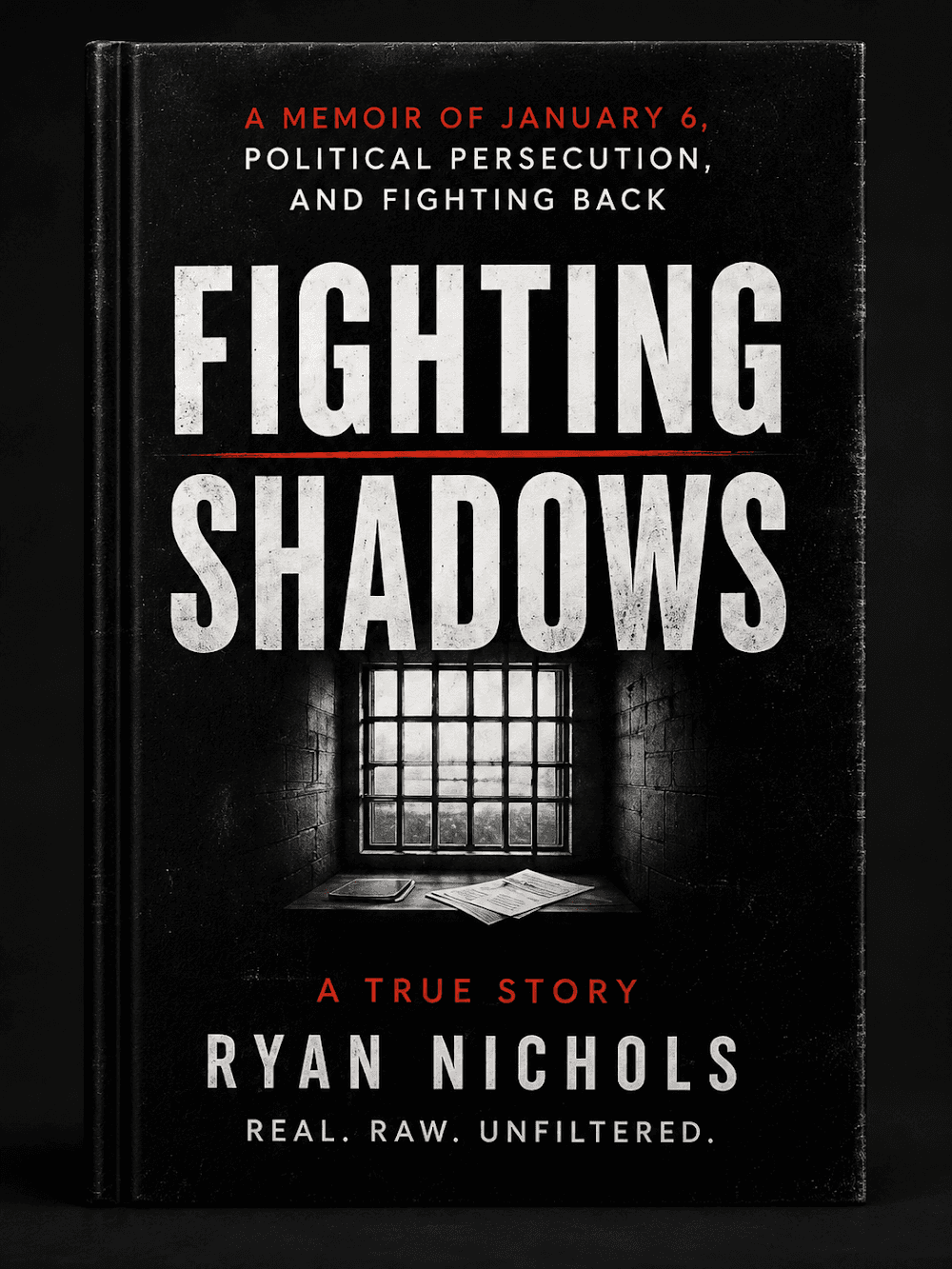
Follow the case
The record is still being written. Get one email when something new drops on it.
Hire Ryan
I built this site. Want one that brings your business real leads? Start with a free 30-minute call.See the services

Tap how this hits you — no signup, everyone sees the count
Share this post — get it back in front of people
Comments
Speak here
Create an account to comment.
This is where people can say what gets buried or cancelled elsewhere. Comments are signed-only, moderated, and tied to a real profile so the record stays usable.
No approved comments yet. Create an account and put the first opinion on the record.