
The Golden Gate Safety Net That Caught Nineteen Workers
A safety net caught 19 Golden Gate Bridge workers during construction. Their story shows why protection must be built before anyone begins to fall.
By Ryan Nichols
- 335 total reach
- 0 reading now•0 active 24h
- 0 shares•0 inbound
- 0 comments
By Ryan Nichols
They built the bridge above cold water, hard wind, steel, and open air.
The danger was not hidden. A worker could miss one step and have nothing beneath him for hundreds of feet.
Joseph Strauss, chief engineer of the Golden Gate Bridge, did something that seems obvious only after someone has done it first. He treated worker protection as part of the build.
A broad safety net was suspended beneath the bridge deck. It cost money. It took time. It could not guarantee that nobody would die.
It caught nineteen workers who fell.
Those men became known as the Halfway-to-Hell Club, a name that does not need much explanation. They had gone over the edge, hit the net, and lived to climb out.
The net was not a motivational slogan. It was preparation made physical.
Historical facts and source links were verified August 14, 2026. The original social artwork is a synthetic editorial scene, not archival evidence.
Reader poll
What is the best kind of safety system?
Tap your answer to vote
One tap. Free and anonymous. No signup to vote.
Safety was designed into the work
The Golden Gate Bridge, Highway and Transportation District says Strauss enforced unusually rigorous safety rules for bridge construction at the time. Workers wore adapted industrial hard hats. The project used glare-free goggles, respirator equipment for sandblasting, and other protections against the conditions.
The most visible precaution was the net stretched under the floor of the bridge from end to end during deck construction.
According to the district's official construction history, the net saved nineteen men. The district's historical exhibit records that the workers themselves named the club.
That detail matters. The people closest to the danger knew the difference between a rule written in an office and a system that was actually there when gravity took over.
The net did not make the work invincible
A good safety story can become dishonest if it erases the people a system did not save.
Eleven workers died during construction of the bridge. The first fatality was Kermit Moore on October 21, 1936. On February 17, 1937, a section of scaffold fell through the safety net. Ten more workers were killed.
The district lists their names in its official bridge FAQ: O.A. Anderson, Chris Andersen, William Bass, Orrill Desper, Fred Duemmatzen, Terence Hallinan, Eldridge Hillen, Charles Lindros, Jack Norman, and Louis Russell.
The facts do not weaken the lesson. They sharpen it.
No safeguard turns dangerous work into harmless work. A net can save nineteen people and still be overwhelmed by a falling scaffold. Responsible leaders do not use a success to pretend the remaining risk is gone. They learn where the protection held, where it failed, and what must change next.
Build the net before the fall
Most people wait until a crisis to decide what support should have existed.
The backup is planned after the drive fails. The emergency contact is discussed after nobody knows whom to call. The second reviewer appears after the wrong file is sent. The rescue plan is written after the team is already searching in the dark.
That order is backwards.
The Golden Gate net had to be installed before a worker slipped. It could not be invented between the deck and the water.
That principle reaches far beyond construction:
- A business needs backups before the only copy disappears.
- A family needs a simple emergency plan before the storm arrives.
- A field team needs check-in times before communication is lost.
- A person doing hard work needs someone they can call before isolation becomes a crisis.
- A public institution needs transparent records before trust is tested.
Preparation can look excessive on every ordinary day. Then the one abnormal second arrives, and the supposedly excessive measure becomes the only thing that matters.
The same idea appears in The Factory Rule That Let One Worker Stop Everything. Real safety gives a person a working mechanism, not merely permission written in a handbook.
Protection should not depend on perfect people
Weak systems assume nobody will miss a step.
Strong systems assume that trained, serious, responsible people are still human. They get tired. Tools fail. Weather changes. Instructions are misunderstood. A person looks away for half a second.
That is not an excuse to lower standards. It is a reason to build layers.
Prevention is the first layer. Detection is the second. A catch is the third. Rescue and recovery come after that. When one layer fails, the next one matters.
Apollo 13 offers the same lesson from a different kind of danger. The crew survived because people, procedures, equipment, and improvisation overlapped. Read The Box of Scraps That Helped Bring Apollo 13 Home for that story.
Find the missing net
Choose one part of your work where the consequences are too serious to rely on memory or luck.
Ask four questions:
- What mistake are we trying to prevent?
- How would we notice it early?
- What catches it if prevention fails?
- Who responds, and do they know their role?
Do not accept "we would figure it out" as a complete answer. Sometimes people do figure it out. The steel chamber used in the Squalus rescue showed what trained people can do under pressure. But improvisation is stronger when it begins with equipment, roles, and practice already in place.
Reader poll
Where is your most important missing net?
Tap your answer to vote
One tap. Free and anonymous. No signup to vote.
The invitation
The nineteen workers who landed in that net did not survive because they fell correctly. They survived because somebody had prepared for a fall before it happened.
That is the work worth doing while the day is calm.
Find one place where the system depends on everybody being perfect. Add one layer that makes an ordinary human mistake survivable. Test it. Tell the people who need to use it. Then keep improving it.
If you want more verified stories about service, failure, preparation, and rebuilding, join the RealRyanNichols.com email or text list. The next story should reach you before the next crisis does.
Reader poll
What will you do next?
Tap your answer to vote
One tap. Free and anonymous. No signup to vote.
Sharing this is the biggest help. Put it in front of one more person.
OG artwork disclosure: The social image is an original synthetic editorial illustration. It is not an archival photograph and does not depict a specific worker or documented fall.
You made it to the end
Most people quit at the headline. You didn’t.
So don’t stop here. Pick one.
Read the book
Fighting Shadows is the whole story in my own words: the road into January 6, the D.C. jail, and the fight to get the record out.See the book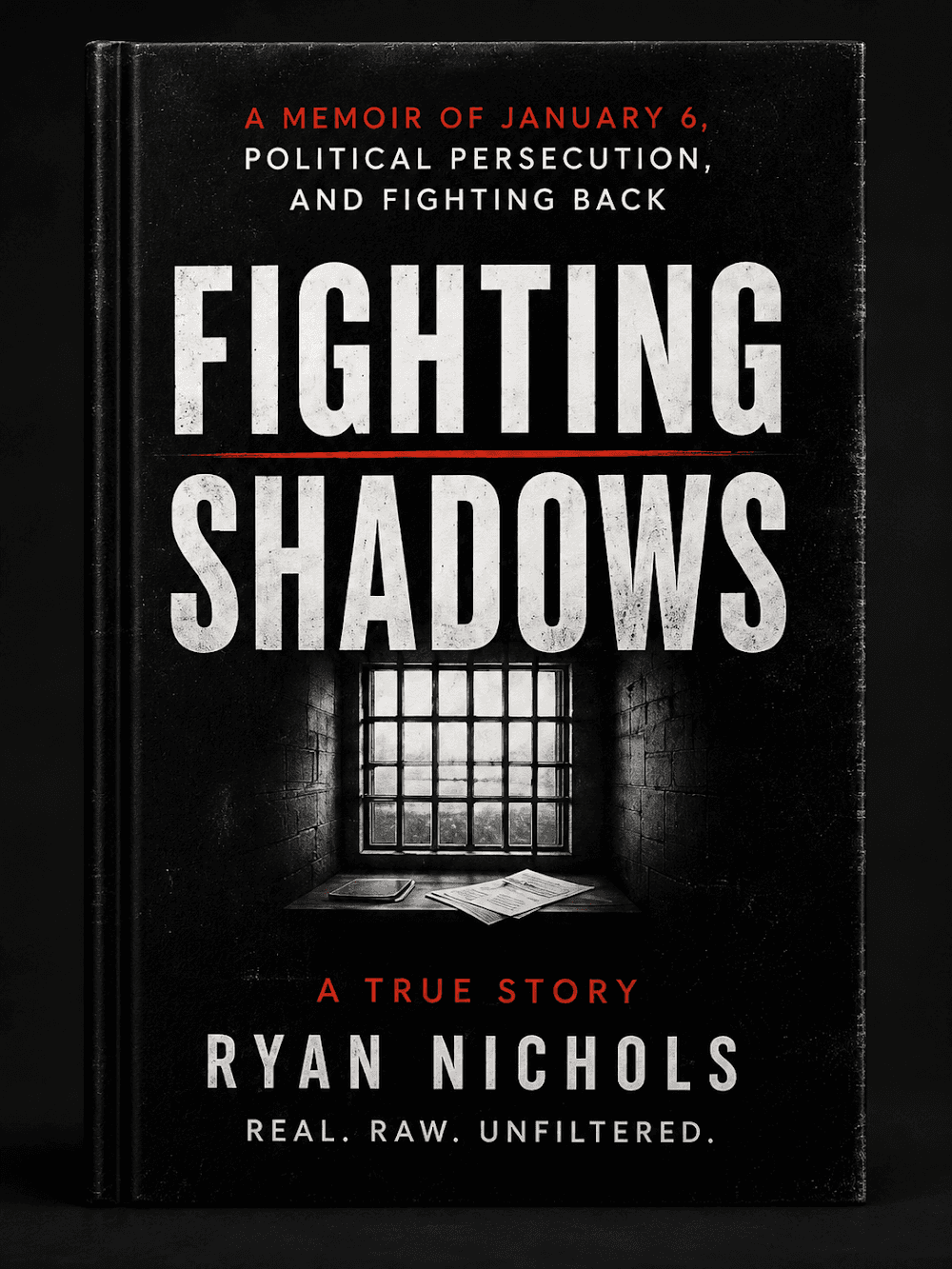
Follow the case
The record is still being written. Get one email when something new drops on it.
Hire Ryan
I built this site. Want one that brings your business real leads? Start with a free 30-minute call.See the services

Tap how this hits you — no signup, everyone sees the count
Share this post — get it back in front of people
Comments
Speak here
Create an account to comment.
This is where people can say what gets buried or cancelled elsewhere. Comments are signed-only, moderated, and tied to a real profile so the record stays usable.
No approved comments yet. Create an account and put the first opinion on the record.