
Galveston Raised an Entire City After the 1900 Storm
After the 1900 hurricane, Galveston built a seawall and raised thousands of structures. Its recovery shows what serious rebuilding requires today.
By Ryan Nichols
- 139 total reach
- 0 reading now•0 active 24h
- 0 shares•0 inbound
- 0 comments
By Ryan Nichols
Galveston did not answer the deadliest natural disaster in United States history with a slogan.
It changed the shape of the island.
After the hurricane of September 1900, the city faced a brutal fact. Rebuilding the same streets at the same elevation behind the same exposed coastline would leave another generation vulnerable to the same kind of destruction.
So Galveston built a seawall.
Then it raised thousands of structures behind it.
Homes, churches, streets, utility lines, and other buildings had to meet a higher grade. The response demanded engineers, laborers, property owners, public officials, equipment, money, patience, and years of disruption.
The lesson is not that a wall can stop every storm.
The lesson is that serious rebuilding changes the conditions that made the loss so devastating.
Historical facts and source links were verified August 16, 2026. The social artwork is a modern synthetic reconstruction, not an archival photograph.
Reader poll
What is the hardest part of rebuilding after disaster?
Tap your answer to vote
One tap. Free and anonymous. No signup to vote.
The storm exposed the island
The National Oceanic and Atmospheric Administration describes the 1900 Galveston hurricane as the deadliest natural disaster in United States history and says at least 8,000 people died.
Communication and forecasting were limited. Wireless ship to shore communication was not yet available, and the storm strengthened and turned west across the Gulf while the island remained dangerously exposed.
The loss was not only measured in buildings. Families, neighborhoods, workplaces, records, and the confidence of an entire city were torn apart.
Survivors still had to decide what came next.
Rebuilding exactly what existed would have restored the map without reducing the danger. Leaving would have ended the city as they knew it.
Galveston chose a third path. Rebuild, but change the foundation of the future.
First came the seawall
The United States Army Corps of Engineers Galveston District says construction began in September 1902. The first segment was completed on July 29, 1904. Later extensions continued through 1963 and eventually carried the barrier beyond ten miles.
The seawall was not a claim that nature had been defeated. It was a physical decision to reduce the force that future storm surge could deliver directly into the city.
The barrier also created another challenge. A wall in front of low ground could leave the city sitting below the protection built for it.
The land behind the wall had to rise.
Then the buildings went up
The City of Galveston's official history says 2,200 structures were raised an average of five feet behind the seawall.
NOAA says the city raised its grade by jacking up buildings and lifting utility lines. This was not one ceremonial project in one public square. It reached into daily life.
Imagine living or working in a building while the ground around it is being remade.
The house has to be supported. The street changes height. Water, sewer, power, access, drainage, and neighboring properties all have to meet the new reality. One successful lift does not solve the block. One finished block does not solve the city.
The work only succeeds when thousands of separate pieces agree on a new level.
That is what makes the story larger than engineering.
It is a story about coordination after loss.
They did not confuse repair with recovery
Repair asks how to restore what broke.
Recovery asks what must change so the same weakness does not control the future.
Both matter.
A family needs a roof now. A business needs a door that opens. A city needs roads, water, and shelter. Immediate repair keeps people alive and gives them somewhere to stand.
But recovery has to look beyond the first reopened building.
Galveston's response changed the coastline defense and the elevation behind it. The city did not merely replace boards. It changed the system those boards belonged to.
That same distinction appears in The Golden Gate Safety Net That Caught Nineteen Workers. Protection became real when it was built into the work instead of left as a hope.
Reader poll
What turns repair into real recovery?
Tap your answer to vote
One tap. Free and anonymous. No signup to vote.
Big recovery is made of repeated handoffs
The dramatic image is a Victorian building held above the ground.
The real achievement is everything that had to happen before and after that moment.
Plans had to be drawn. Property owners had to cooperate. Materials had to arrive. Equipment had to hold. Crews had to sequence their work. Utilities had to reconnect. Streets had to meet buildings. Public patience had to last longer than the headlines.
That resembles the lesson of The Berlin Airlift. A city survived because thousands of disciplined handoffs became a reliable system.
It also resembles The Steel Chamber That Brought 33 People Up From the Bottom. Rescue becomes possible when engineering, drilling, communication, medicine, logistics, and patience serve the same mission.
No single handoff looks like the whole victory. The victory disappears if enough handoffs fail.
Raise the standard, not just the structure
Every rebuilding effort eventually reaches the same question.
Are we trying to make the old picture look normal again, or are we willing to address what the damage revealed?
For a business, that may mean replacing a fragile process instead of rehiring one exhausted person to carry it.
For a family, it may mean changing the communication pattern instead of repeating the same apology.
For a community, it may mean drainage, access, emergency planning, building standards, and infrastructure that nobody celebrates until the next hard day arrives.
The right answer is not always larger or more expensive. It is the answer that treats the weakness as real.
The invitation
Galveston rebuilt with grief still fresh and uncertainty still present.
The island could not guarantee that another storm would never come. It could decide not to meet the next one from the same elevation with the same exposure.
That is what responsible hope looks like.
It tells the truth about what happened. It protects immediate life. It studies the failure. It builds a stronger standard. Then it keeps working long after the cameras leave.
If you want more verified stories about service, rebuilding, Texas history, and the systems that carry people through hard days, join the RealRyanNichols.com email and text list. The next story will meet you there.
Reader poll
What should your next rebuild change?
Tap your answer to vote
One tap. Free and anonymous. No signup to vote.
Sharing this is the biggest help. Put it in front of one more person.
OG artwork disclosure: The social image is an original synthetic historical editorial illustration. It is not archival evidence and does not depict a specific documented building, crew, or moment.
You made it to the end
Most people quit at the headline. You didn’t.
So don’t stop here. Pick one.
Read the book
Fighting Shadows is the whole story in my own words: the road into January 6, the D.C. jail, and the fight to get the record out.See the book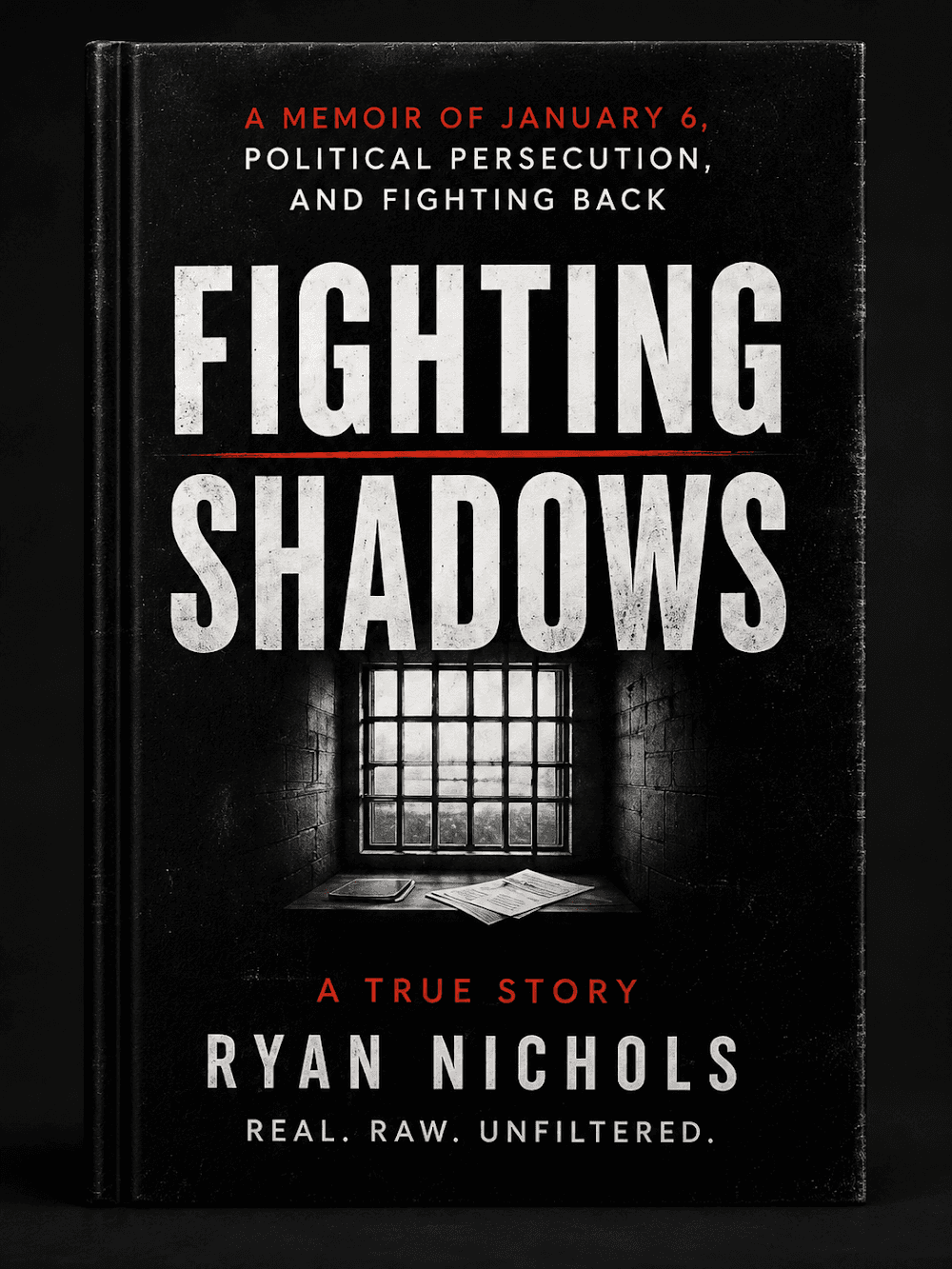
Follow the case
The record is still being written. Get one email when something new drops on it.
Hire Ryan
I built this site. Want one that brings your business real leads? Start with a free 30-minute call.See the services
Tap how this hits you — no signup, everyone sees the count
Share this post — get it back in front of people
Comments
Speak here
Create an account to comment.
This is where people can say what gets buried or cancelled elsewhere. Comments are signed-only, moderated, and tied to a real profile so the record stays usable.
No approved comments yet. Create an account and put the first opinion on the record.