
Should Texas Ban Home Insurers From Rejecting a House Because of Roof Age Alone?
Texas is moving against roof-age-only insurance decisions. Here are the strongest arguments for homeowner protection and accurate risk-based underwriting.
By Ryan Nichols
- 149 total reach
- 0 reading now•0 active 24h
- 0 shares•0 inbound
- 0 comments
By Ryan Nichols
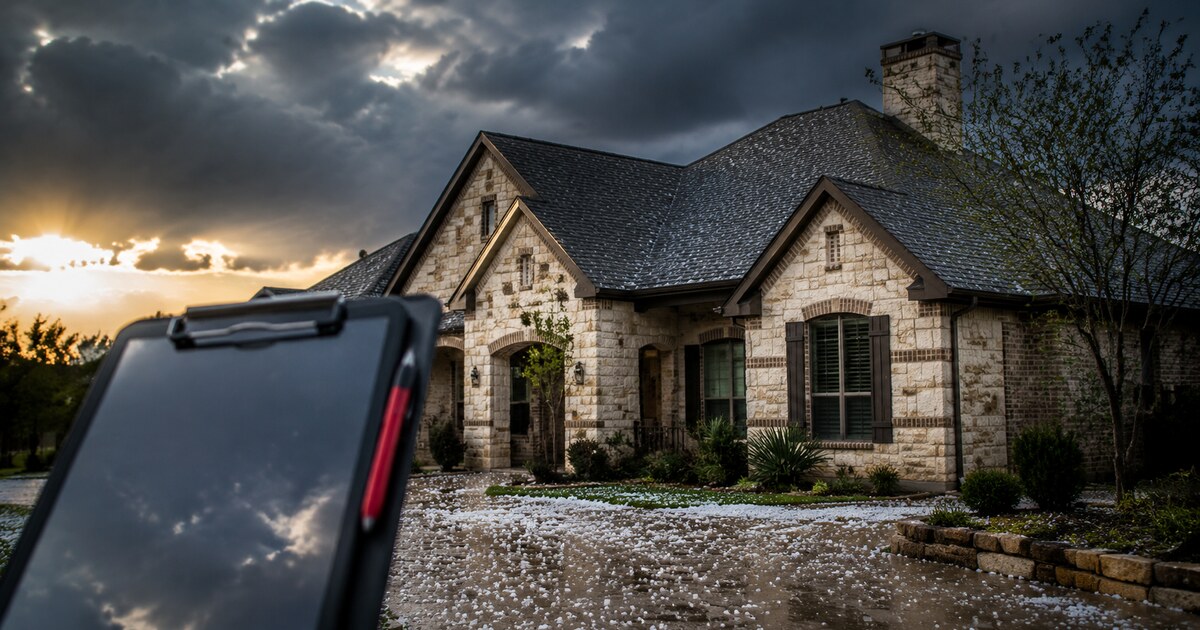
A roof can be old and sound. It can also be old and one storm away from becoming an expensive claim.
Texas is moving toward a rule that would stop insurers from refusing to write or renew a residential property policy based on the age of the property or one of its components, including the roof.
That sounds like a simple fairness rule. It also raises a serious underwriting question. If age can be a useful signal of risk, when does using that signal become an unfair shortcut?
The verified facts
As verified on August 27, 2026, Governor Greg Abbott directed the Texas Department of Insurance on August 24 to take several steps aimed at property insurance affordability.
The directive tells TDI to require insurers to consider a home's FORTIFIED roof status in rate calculations, prohibit refusals to write or renew residential coverage based on the age of the property or individual components such as the roof, ban “price optimization” based on personal data unrelated to insured risk, create an insurance fraud task force, and study claims costs. TDI must report additional administrative and legislative recommendations to the governor by September 14, 2026.
The governor's release says the average annual homeowners insurance premium in Texas rose 79 percent in six years. That figure is the governor's stated basis for the action, not an independent calculation by this publication.
Texas already recognizes stronger roofing in some pricing decisions. TDI says impact-resistant roofing materials may qualify for premium credits, with the amount and qualifying process generally determined by each insurer. Class 4 roof coverings receive the highest credit level under that system.
The proposed direction does not mean roof condition becomes irrelevant. It targets decisions made because of age alone.
{{< poll id="roof-age-1" question="What should matter most in a roof decision?" options="Current inspection|Roof age|Materials and construction|Claims history" >}}
The strongest case for the restriction
Age is an easy number. It is not always an accurate description of condition.
A well-installed older roof that has been maintained and inspected may be a better risk than a newer roof built with weak materials or poor workmanship. An automatic age cutoff can turn a rough proxy into a final answer.
That creates a real problem for homeowners. A person can be paying a mortgage, maintaining the property, and making every premium payment, then face nonrenewal because a roof crossed a birthday. Replacing a functioning roof simply to remain insurable can be a major expense.
There is also a market-access concern. TDI says about 160 companies sell home coverage in Texas, but homeowners who are declined by at least two insurers may have to seek basic coverage through the Texas FAIR Plan. A rule that requires insurers to look at evidence of condition could keep more sound homes in the ordinary market.
The strongest version of this position is not “ignore the roof.” It is “inspect the roof before treating age as guilt.”
That logic fits the state's separate push to reward FORTIFIED construction. If a homeowner pays to reduce wind and hail risk, the pricing system should recognize the work. The FORTIFIED program is built around construction and re-roofing standards intended to strengthen roof systems against severe weather.
The strongest case against the restriction
Insurance only works if price and eligibility reflect risk closely enough for the pool to pay future claims.
The Insurance Information Institute explains that roof age and condition can affect how insurers assess risk. Older or poorly maintained roofs can increase the chance that wind, hail, or water damage spreads into the rest of the structure. Some insurers require an inspection for roofs over 20 years old, decline the risk, or offer actual cash value coverage instead of full replacement cost.
Age is imperfect, but it can still carry information. If regulators remove a commonly used signal without giving insurers a reliable replacement, companies may respond with more inspections, narrower coverage, higher deductibles, actual cash value roof endorsements, or broader rate increases.
There is also a cost-shifting concern. If higher-risk roofs enter the same pool without an adequate adjustment, homeowners with newer or strengthened roofs may pay more. A consumer-protection rule can fail if it makes coverage technically available but less affordable for everyone.
The strongest version of this position is not “old homes do not deserve insurance.” It is “a stable market cannot be ordered to ignore evidence connected to expected losses.”
{{< poll id="roof-age-2" question="Which safeguard would you trust most?" options="Independent inspection|Required mitigation discount|Clear written denial reason|State-set roof standards" >}}
Ryan's Take: ban the shortcut, keep the inspection
Editorial analysis: Texas should prohibit an insurer from rejecting a home because of roof age alone. It should not prohibit an insurer from considering documented roof condition, materials, installation, maintenance, or verified storm risk.
That distinction matters.
A calendar is not an inspection. At the same time, a rule that forces an insurer to pretend every roof is equally sound would hide the tradeoff instead of solving it.
The workable policy is an evidence rule. If an insurer wants to deny, nonrenew, or sharply change roof coverage, it should identify the specific condition creating the risk. Homeowners should have a practical path to provide an independent inspection, make a repair, or qualify for a mitigation credit. TDI should publish comparable standards so the answer does not change mysteriously from one company to the next.
Texas should also watch the full price, not just the approval. A policy with a huge wind deductible or depreciated roof coverage may satisfy an availability statistic while leaving the homeowner dangerously exposed. TDI's home insurance guide shows why the difference between replacement cost and actual cash value can mean thousands of dollars after a loss.
The aim should be straightforward: reward work that reduces risk, require evidence for adverse decisions, and keep rates tied to the property instead of a blunt cutoff or unrelated personal data.
This is a different question from property taxes, but it reaches the same household budget. A lower tax bill does not feel like relief if insurance rises faster than the savings.
For another Texas policy question built around visible tradeoffs, read Should Texas Require Paid Heat Rest Breaks for Outdoor Workers?. For a practical look at finishing the repair in front of you, read A Hard Day Still Needs One Honest Win.
{{< poll id="roof-age-3" question="Should roof age ever be enough by itself to deny coverage?" options="No, inspect first|Yes, at a clear cutoff|Only for new policies|Let each insurer decide" >}}
Should Texas require an inspection and a specific condition-based reason before an insurer can reject or nonrenew a home because of its roof?
{{< share >}}
Verification note: Current claims were checked against the Office of the Texas Governor, Texas Department of Insurance, Insurance Information Institute, and FORTIFIED program materials on August 27, 2026. This article is editorial analysis, not insurance or legal advice.
Editorial visual disclosure: The header image is an original AI-assisted conceptual illustration. It does not depict a real property, claim, inspection, or storm.
You made it to the end
Most people quit at the headline. You didn’t.
So don’t stop here. Pick one.
Read the book
Fighting Shadows is the whole story in my own words: the road into January 6, the D.C. jail, and the fight to get the record out.See the book
Follow the case
The record is still being written. Get one email when something new drops on it.
Hire Ryan
I built this site. Want one that brings your business real leads? Start with a free 30-minute call.See the services



Tap how this hits you — no signup, everyone sees the count
Share this post — get it back in front of people
Comments
Speak here
Create an account to comment.
This is where people can say what gets buried or cancelled elsewhere. Comments are signed-only, moderated, and tied to a real profile so the record stays usable.
No approved comments yet. Create an account and put the first opinion on the record.