
A Form Error Should Tell the Lead What to Do Next
A red border does not help a lead recover. Use this practical five-state form test to write clear errors, preserve input, and protect the inquiry.
By Ryan Nichols
- 123 total reach
- 0 reading now•0 active 24h
- 0 shares•0 inbound
- 0 comments

A red border is not an explanation.
Neither is “something went wrong.”
If somebody is trying to contact your business and the form rejects them, the page has one job: tell them what happened and give them a clear way to recover.
Most forms do half the job. They detect an error. Then they make the customer hunt for it.
That is not a design detail. That is a lead-flow problem.
The customer does not know your form
The person sees a name box, an email box, maybe a phone number and a message. You see validation rules, required fields, spam controls, network requests, database writes, and automated follow-up.
When one of those layers fails, do not make the customer diagnose the stack.
The World Wide Web Consortium’s accessibility guidance says that when an input error is automatically detected, the item in error should be identified and the error described in text. Color alone is not enough. A vague message at the top of the page is not enough if the person cannot tell which field caused it.
Write what the customer needs to do:
- “Enter an email address in the format name@example.com.”
- “Choose a preferred contact method.”
- “Your message was not sent. Your answers are still here. Try again, or call or text us at (903) 500-8898.”
The message should be plain, specific, and placed close enough to the problem that the correction is obvious.
Preserve what the lead already gave you
The cruelest form error is the one that erases the message.
A person may have spent ten minutes explaining a difficult service need, a project, or a deadline. If one invalid field reloads the page and wipes the rest, you did not merely create friction. You destroyed work the customer trusted you to hold.
Preserve every valid field when one field fails. Preserve the message when the network fails. If the session truly cannot be recovered, say that clearly before asking the person to start over.
That principle fits Ryan’s public operating standard. In an earlier article, he said he maps where inquiries die, avoids ripping out working tools, and replaces only what earns its replacement.
You do not need to rebuild the whole website to stop erasing customer effort.
Test five states, not one happy path
Owners usually test a form with perfect data and a strong connection. The form submits, the owner sees an email, and everybody calls it finished.
That tests only the easiest state.
Use this five-state audit:
- Empty required field. Does the page name the missing field in text and move focus to a useful place?
- Wrong format. Does the message show the expected format without blaming the person?
- Slow or failed network. Does the button prevent duplicate submissions, keep the answers, and explain whether the message was sent?
- Successful submission. Does the page confirm receipt and say what happens next?
- Follow-up failure. If the automated email or text does not run, does the business receive a failure receipt and still retain the inquiry?
Run the test on a phone. Use one hand. Zoom the text. Turn off Wi-Fi for the failure state. Read every message as if this were the first time you had ever seen the page.
A Thank-You Page Should Tell the Lead What Happens Next handles state four. Every Automation Needs a Failure Receipt handles state five. A form is not complete until both exist.
Give every failure a second door
Sometimes the form will not work.
The vendor is down. The database times out. A browser extension blocks the request. Your own code has a bug.
Do not trap the lead inside the broken method.
Put a real alternative on the error state: a business phone number, a monitored email address, or a scheduling link that does not depend on the same failed service. The alternative should be visible only when it helps, not buried in the footer as a scavenger hunt.
For Ryan’s business, the correct call and text number is (903) 500-8898.
The 20-minute repair
Spend five minutes triggering every error you can reach without sending real customer data.
Spend five minutes rewriting each message in the format: what happened, what stayed safe, and what to do next.
Spend five minutes confirming that valid input survives the error.
Spend five minutes adding one alternate contact path and one internal failure alert.
Then test again on a phone.
If you want help mapping the full path from form submission to follow-up, use The Lead Flow Pro diagnostic. The form is the front door. The system behind it still has to carry the conversation.
Sharing this is the biggest help. Put it in front of one more person.
Editorial visual disclosure: The header image is an original AI-assisted conceptual illustration. It does not depict a real customer record or software interface.
You made it to the end
Most people quit at the headline. You didn’t.
So don’t stop here. Pick one.
Read the book
Fighting Shadows is the whole story in my own words: the road into January 6, the D.C. jail, and the fight to get the record out.See the book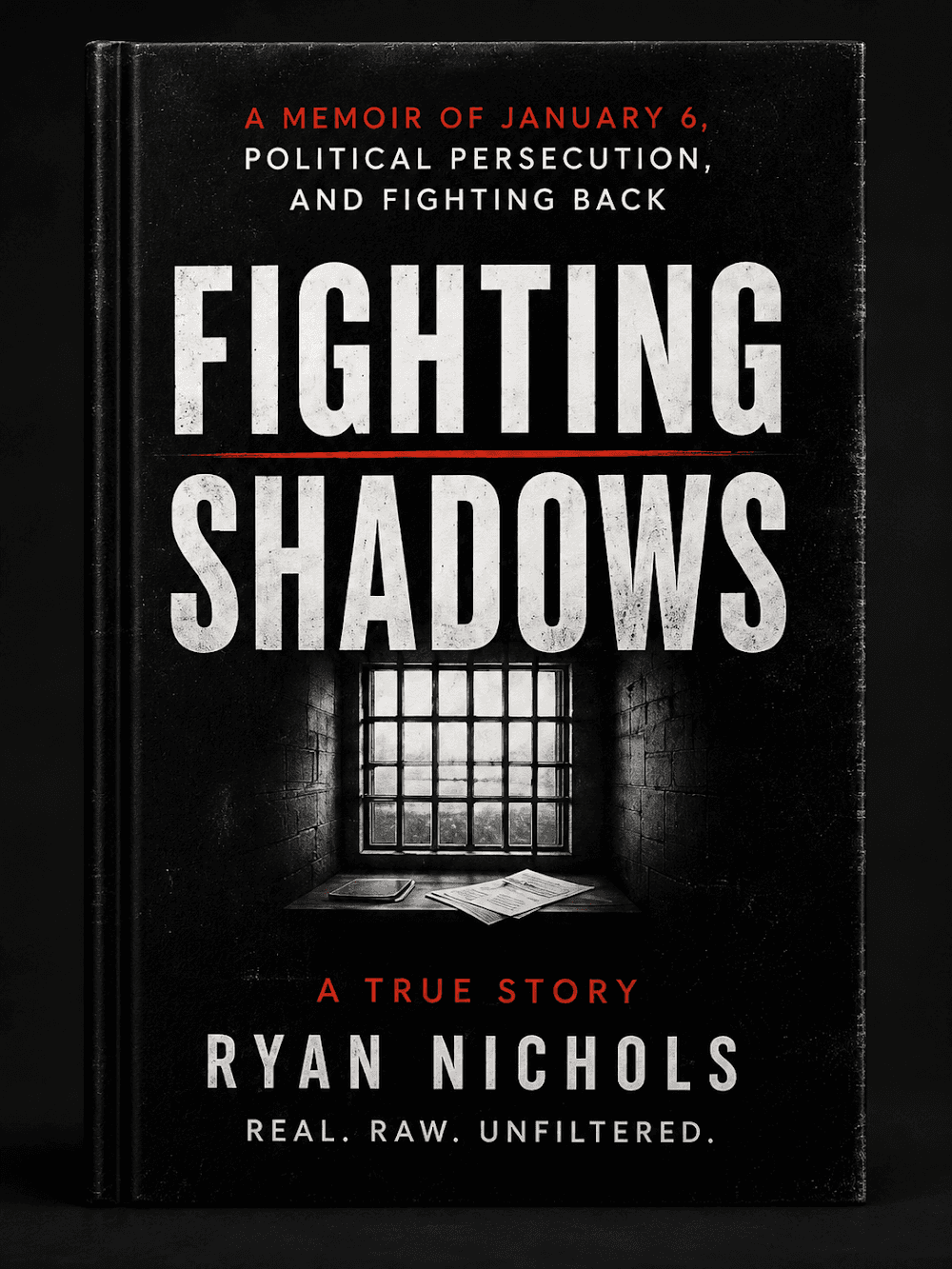
Follow the case
The record is still being written. Get one email when something new drops on it.
Hire Ryan
I built this site. Want one that brings your business real leads? Start with a free 30-minute call.See the services



Tap how this hits you — no signup, everyone sees the count
Share this post — get it back in front of people
Comments
Speak here
Create an account to comment.
This is where people can say what gets buried or cancelled elsewhere. Comments are signed-only, moderated, and tied to a real profile so the record stays usable.
No approved comments yet. Create an account and put the first opinion on the record.