
A Thank-You Page Should Tell the Lead What Happens Next
Submitted is a system status, not a customer promise. Build a thank-you page that creates clarity, evidence, and a clean next step for every lead.
By Ryan Nichols
- 164 total reach
- 0 reading now•0 active 24h
- 0 shares•0 inbound
- 0 comments
Most contact forms end with one word:
Submitted.
That word tells the software what happened. It does not tell the person what happens next.
Did the business receive the request? When should the person expect a response? Will the reply come by phone, text, or email? What should happen if nothing arrives? Was payment taken? Should the person submit again?
Silence after a form creates work for both sides.
The visitor wonders whether the form failed. The team receives duplicate submissions, “just checking” calls, and leads who move on because the next step felt uncertain.
The page has three jobs
A useful confirmation page does not need clever copy. It needs to complete three jobs.
1. Confirm the exact action
Say what the system actually accepted.
Good:
We received your website diagnostic request.
Weak:
Success!
Dangerous:
Your appointment is confirmed when the form only requested a call.
The wording must match the event. If the lead submitted a request, confirm the request. If the calendar created an appointment, confirm the appointment. If the payment provider authorized a payment, say that only when the authorization really happened.
Do not turn optimism into a false receipt.
2. Set a truthful response window
“We will get back to you soon” forces the visitor to define soon.
Use a window the business can normally honor:
- by the next business day
- within two business hours
- before 5 p.m. Central on weekdays
- after a team member reviews the files
If weekends or holidays change the window, say so.
Do not promise five minutes because it sounds impressive. A slower promise kept builds more trust than a fast promise missed.
3. Provide one recovery path
Tell the lead what to do if the expected response does not arrive.
Use one monitored channel. It might be a phone number, reply address, text line, or support form. Avoid listing five options that create five disconnected queues.
The recovery sentence can be plain:
If you do not receive a confirmation email within 10 minutes, check spam once, then call this number and mention receipt 4F82.
That line gives the visitor agency and gives the operator something to search.
Reader poll
What does your current thank-you page prove?
Tap your answer to vote
One tap. Free and anonymous. No signup to vote.
Show a receipt without exposing private data
A confirmation page should display enough evidence to help without repeating sensitive information on a screen that may be shared.
Useful fields include:
- a short submission or reference ID
- date and time received
- the type of request
- the promised response window
- the recovery channel
Avoid displaying a full Social Security number, payment number, private narrative, medical detail, or every form field back to the visitor.
The record inside the business can preserve the data needed for the workflow. The public-facing receipt should be minimal.
Ryan's published statement applies directly to the moment after a form submission. The visitor should not have to reconstruct whether the request existed. The system should create evidence while the event is happening.
Every Automation Needs a Failure Receipt explains the internal version of this principle. The thank-you page is the customer-facing side.
Give the visitor one next action
After the receipt, offer one action that fits the request.
Examples:
- add the appointment to a calendar
- upload one missing document through a secure link
- read the preparation checklist
- save the reference ID
- return to the service page
Do not turn the confirmation page into another sales ambush. The visitor just completed the action you asked for. Respect the moment.
A newsletter invitation may belong there if it is optional and relevant. A surprise countdown, unrelated upsell, or second long form usually weakens the clarity you just created.
Run the seven-line thank-you page audit
Open the confirmation page on your phone and answer these questions:
- Does the first line name the action that was actually completed?
- Does the page show a reference ID or another useful receipt?
- Is the response window specific and realistic?
- Does it say which channel will carry the reply?
- Is there one recovery path if the reply never comes?
- Is sensitive information hidden?
- Is there one relevant next action instead of a wall of choices?
Now submit a safe test lead.
Confirm that the page appears, the reference ID matches the internal record, the email or text says the same thing, and the lead enters the correct owner queue.
If the page promises a reply within two hours but the CRM has no owner, the copy is not the main problem. Fix the handoff.
Every New Lead Needs One Named Owner provides the next audit for that internal step.
Reader poll
Which line is missing after your form?
Tap your answer to vote
One tap. Free and anonymous. No signup to vote.
Make the promise match the system
The thank-you page is a small page with a serious job.
It turns a click into a shared understanding between the visitor and the business. It reduces duplicate work. It creates a search point when something breaks. It tells the lead whether waiting is reasonable.
Run the seven-line audit on one form tied to real revenue or service. If the website, inbox, CRM, calendar, and follow-up process do not agree, The Lead Flow Pro diagnostic is a practical place to map the handoffs.
Do not end at submitted.
Tell the person what happens next, then make the system keep the promise.
Sharing this is the biggest help. Put it in front of one more person.
The Ryan statement above is quoted from his published article. No client result, revenue figure, or product availability claim is implied.
Editorial visual disclosure: The header image is an original AI-assisted conceptual illustration. It does not depict a real lead, customer record, form submission, or client system.
You made it to the end
Most people quit at the headline. You didn’t.
So don’t stop here. Pick one.
Read the book
Fighting Shadows is the whole story in my own words: the road into January 6, the D.C. jail, and the fight to get the record out.See the book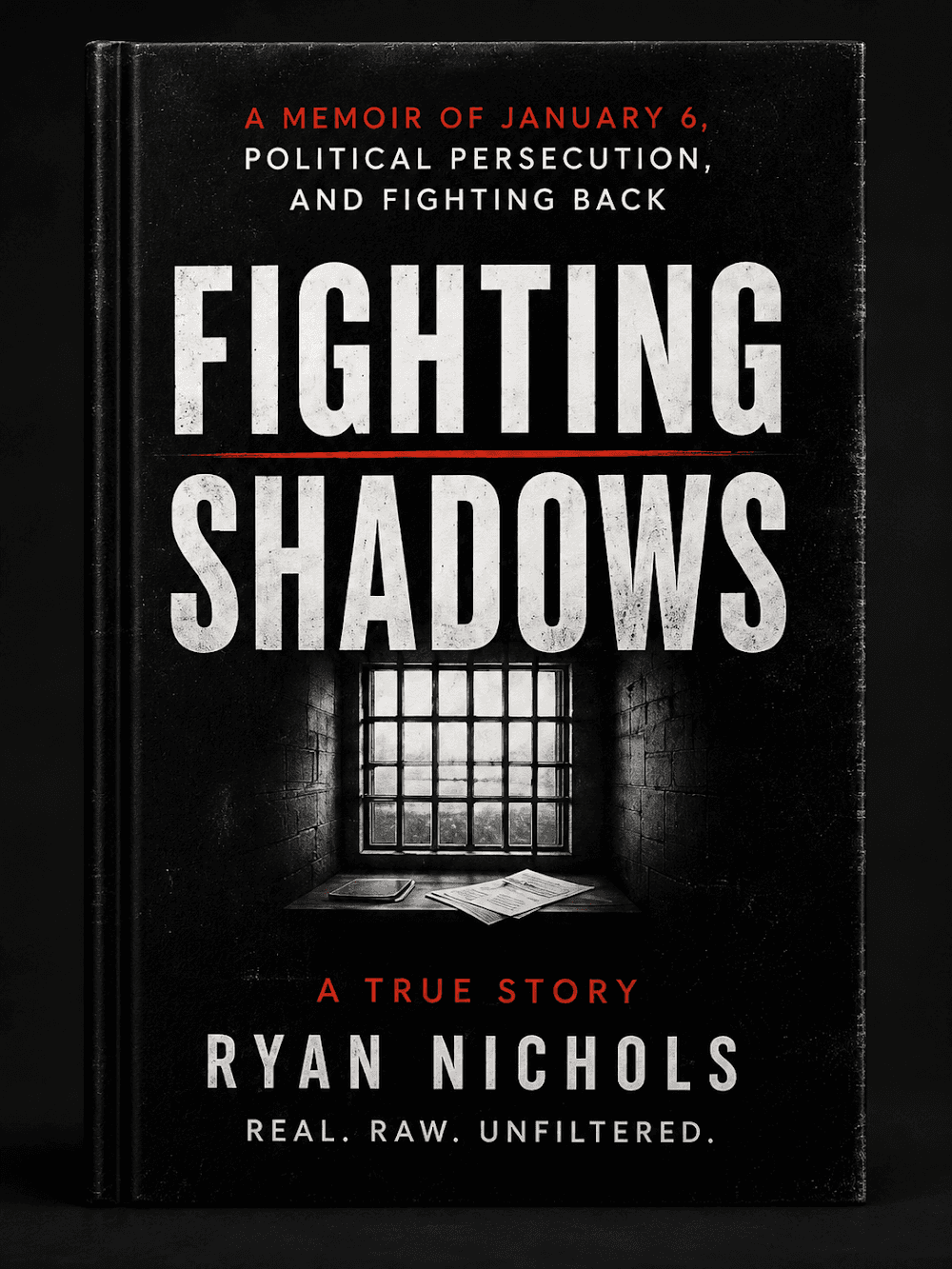
Follow the case
The record is still being written. Get one email when something new drops on it.
Hire Ryan
I built this site. Want one that brings your business real leads? Start with a free 30-minute call.See the services



Tap how this hits you — no signup, everyone sees the count
Share this post — get it back in front of people
Comments
Speak here
Create an account to comment.
This is where people can say what gets buried or cancelled elsewhere. Comments are signed-only, moderated, and tied to a real profile so the record stays usable.
No approved comments yet. Create an account and put the first opinion on the record.