
The Nine Chambers That Became One Rescue Route
The 2018 Tham Luang cave rescue saved 12 boys and their coach through nine chambers, three extraction days, and one disciplined chain of handoffs.
By Ryan Nichols
- 193 total reach
- 0 reading now•0 active 24h
- 0 shares•0 inbound
- 0 comments
By Ryan Nichols
The cave did not offer one clean path to safety.
It offered nine chambers, flooded passages, tight rock, zero-visibility water, vertical sections, long distances, exhausted patients, changing rain, and a route where a small failure could become final.
On June 23, 2018, twelve boys from Thailand's Wild Boar soccer team and their coach entered the Tham Luang cave complex. Monsoon water rose behind them and cut off the way out.
British cave divers found the team alive after nine days.
Finding them answered one question.
It created a harder one.
How do you move thirteen weakened people, most of whom could not swim, through a route that challenged some of the world's strongest cave divers?
The answer was not one hero carrying the whole rescue.
The answer was a route built from handoffs.
Historical facts and source links in this article were verified August 18, 2026. The social artwork is a modern synthetic illustration, not archival evidence.
Reader poll
What matters most when a rescue route is this complex?
Tap your answer to vote
One tap. Free and anonymous. No signup to vote.
The mission changed when the team was found alive
Thai authorities led the operation. Royal Thai Navy SEALs and the Royal Thai Army worked with cave divers, medical teams, engineers, volunteers, and government personnel from multiple countries.
At Thailand's request, the United States sent about forty military personnel through U.S. Indo-Pacific Command. The team included pararescuemen, a survival specialist, and medical, communications, logistics, and support personnel.
The Air Force Special Operations Command history records that teams explored multiple options. They surveyed the mountain, established helicopter landing zones, planned high-angle rope work, assessed dive routes, and helped build extraction and resupply plans.
This was not indecision.
It was disciplined refusal to bet thirteen lives on the first idea.
Nine chambers required one shared route
The team was about two and a half miles inside the cave, according to the Air National Guard's account.
Nine chambers stood between the trapped team and the exit.
Some passages could be walked. Some required ropes and pulleys. Others required underwater movement through tight, dark tunnels.
Divers and rescue specialists were assigned to specific positions. Air tanks were staged along the route. Medical checks and equipment resupply happened inside the cave. Plastic stretchers and rope systems helped move patients through vertical and uneven sections.
The point was not for every rescuer to master every part.
The point was for every part to have the right rescuer, equipment, and next handoff waiting.
One official Air Force account describes Team Kadena members moving the children from chamber to chamber, diving with them between sections, and transferring them to Australian and Thai teams farther along the route.
The rescue became a system people could enter one segment at a time.
The patients could not simply follow a diver out
The boys were weakened after days without food and clean water. Most could not swim.
The route included water where panic could dislodge a mask or turn a narrow passage into a fatal blockage.
Medical and diving experts developed an extraction method that included sedation. The decision was intended to reduce the risk of panic underwater. Medical teams were positioned to evaluate the patients as they moved through the route and when they emerged.
That detail matters because it destroys the movie version of rescue.
The people being rescued were not asked to become expert cave divers in a few hours.
The system was redesigned around their actual condition.
Good rescue planning does not begin with what a perfect patient should be able to do.
It begins with the person who is really there.
Equipment was placed before the route needed it
Air cylinders were not treated as one diver's private supply.
They were staged through the cave so used tanks could be exchanged for full ones. Communications, medical capability, ropes, stretchers, lights, and people were positioned before the extraction moved through each section.
That is the same discipline behind The Box of Scraps That Helped Bring Apollo 13 Home. A team under pressure cannot rely on equipment that exists somewhere in theory. The material has to be available where the next decision happens.
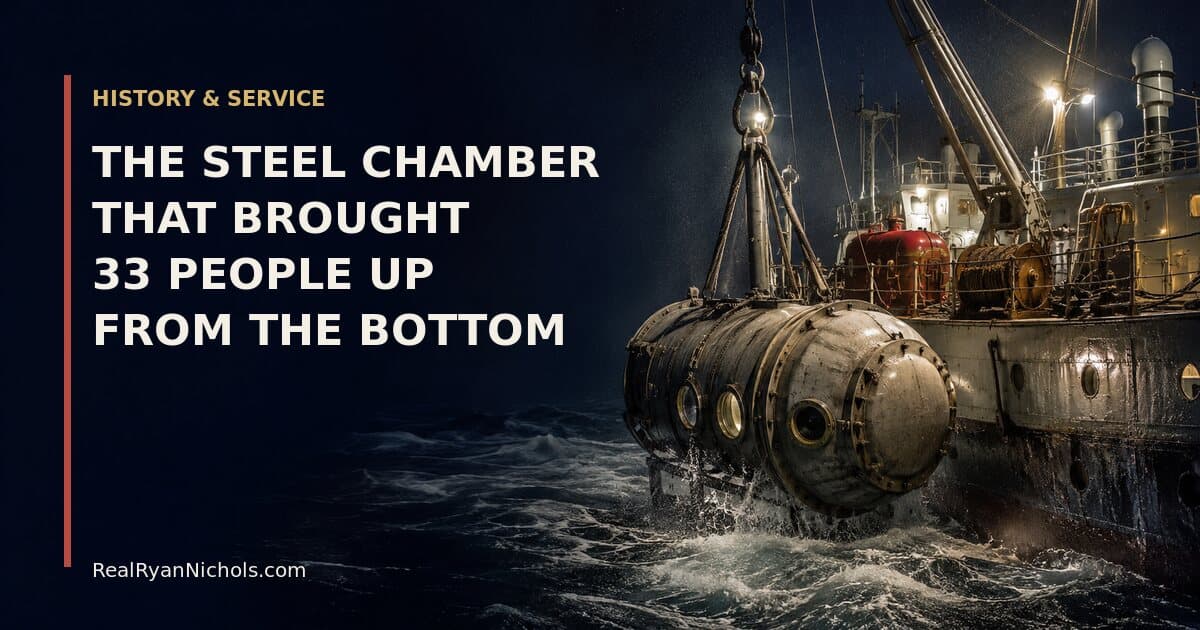
It also echoes The Steel Chamber That Brought 33 People Up From the Bottom. The rescue device mattered because drilling, medical planning, communications, lifting systems, and repeated trips all connected to it.
Reader poll
Which preparation is easiest to underestimate?
Tap your answer to vote
One tap. Free and anonymous. No signup to vote.
The cost belongs in the story
Hope does not require cleaning the risk out of the record.
Retired Thai Navy SEAL Suman Kunan volunteered to support the operation and died from dive complications during the rescue. Thai Navy SEALs stayed with the trapped team through the operation.
His death showed what the route demanded even from trained rescuers.
The successful extraction should not turn that sacrifice into a footnote.
Every later decision about air, timing, positioning, and risk existed inside a mission that had already proved it could kill an expert.
Serious service remembers the people saved and the person lost.
Four people per day, nine hours at a time
The extraction ran from July 8 through July 10.
The Air National Guard account says thirteen divers were positioned at the chambers and more than ninety divers from around the world supported the route with medical checks and air-tank resupply.
Four boys were moved on the first day. Four more came out the next day. The remaining boys and their coach followed on the third.
Moving four patients through the route took about nine hours.
That pace was not slow when measured against the cave.
It was the speed at which the chain could stay controlled.
After an eighteen-day ordeal and a three-day extraction, all thirteen members of the team were out.
The chamber map for a hard problem
Most difficult work is not a flooded cave. The planning lesson still transfers.
When a problem feels too large for one person, draw the route as chambers:
- Entry: What begins the work?
- Assessment: What must be known before movement starts?
- Specialist: Which part requires training you do not have?
- Equipment: What must be staged before the task reaches that point?
- Handoff: Who receives it next, and what must they know?
- Medical check: Where do you stop and verify condition?
- Failure point: What single loss could stop the route?
- Backup: What replaces that person, tool, or path?
- Exit: What proves the person or work is actually safe?
You do not solve the whole cave at once.
You make the next chamber ready before the mission reaches it.
That is also the lesson in The Small Boats That Crossed the Channel at Dunkirk. Different equipment and different people mattered because the route required different capacities at different points.
Build the chain before you need the miracle
The Tham Luang rescue became famous because thirteen people came out of a place that looked impossible to leave.
The deeper lesson is less cinematic.
Specialists assessed what was real. Leaders compared routes. Medical experts designed around actual patients. Equipment was staged. People took assigned positions. Each chamber handed life to the next.
The operation still required extraordinary courage.
But courage was given a route.
If you value verified stories about service, rebuilding, and the systems that help people move through hard places, join the RealRyanNichols.com email and text list. The next story will meet you there.
Reader poll
What does your hardest project need next?
Tap your answer to vote
One tap. Free and anonymous. No signup to vote.
Sharing this is the biggest help. Put it in front of one more person.
OG artwork disclosure: The social image is an original synthetic historical editorial illustration. It is not archival evidence and does not depict a specific documented rescuer, child, chamber, or moment.
You made it to the end
Most people quit at the headline. You didn’t.
So don’t stop here. Pick one.
Read the book
Fighting Shadows is the whole story in my own words: the road into January 6, the D.C. jail, and the fight to get the record out.See the book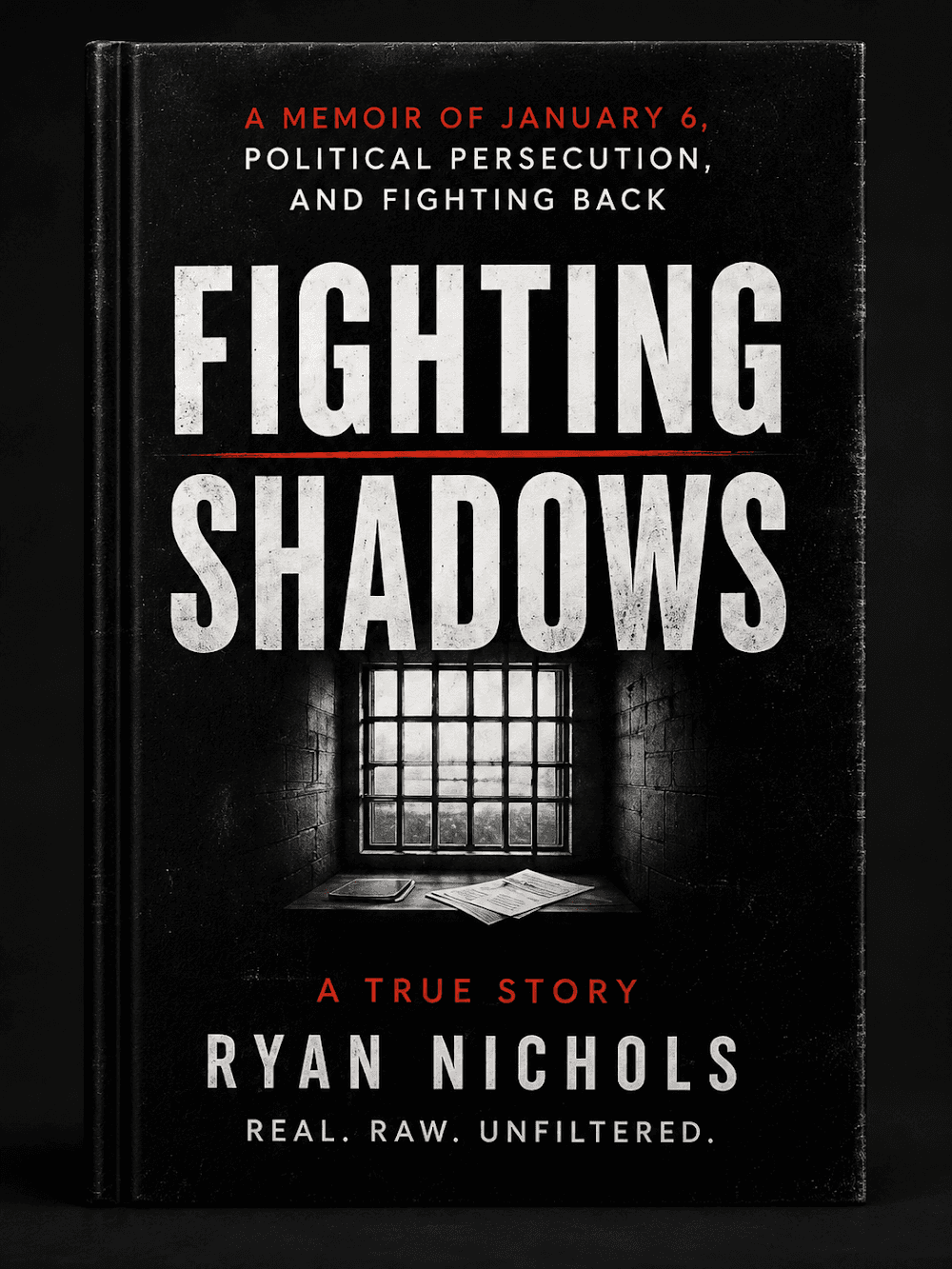
Follow the case
The record is still being written. Get one email when something new drops on it.
Hire Ryan
I built this site. Want one that brings your business real leads? Start with a free 30-minute call.See the services

Tap how this hits you — no signup, everyone sees the count
Share this post — get it back in front of people
Comments
Speak here
Create an account to comment.
This is where people can say what gets buried or cancelled elsewhere. Comments are signed-only, moderated, and tied to a real profile so the record stays usable.
No approved comments yet. Create an account and put the first opinion on the record.