
Ryan Nichols and the Quiet Discipline of Getting Ready Before the Water
A warm Ryan Nichols outdoors article about rebuilding through preparation, honest maintenance and one useful next step before the water.
By Ryan Nichols
- 484 total reach
- 0 reading now•0 active 24h
- 0 shares•0 inbound
- 0 comments
By Ryan Nichols
The water gets the photograph.
The sunrise gets the caption. The boat leaving the ramp gets the story. The fish, the storm, the rescue and the long ride home are the moments people remember.
But useful outdoor work usually starts somewhere quieter.
It starts with a light that has fresh batteries. A rope that has been checked instead of assumed. A life jacket that is the right size and still serviceable. A tackle box that closes. A phone that is charged. A plan that does not depend on everything going perfectly.
Ryan Nichols’ public story includes the Marine Corps, search and rescue, storm response, boats, floodwater and long stretches of practical work that happened before anyone could help another person. That history makes a simple point easy to miss: readiness is not the glamorous part, but it is often the part that makes everything else possible.
That is a useful idea for a rebuilding season.
Not because organizing outdoor gear is therapy. It is not. Not because a clean tackle box can resolve grief, trauma, legal pressure, financial strain or any other serious problem. It cannot.
It is useful because one honest maintenance task can create a small piece of order you can see, test and finish.
This article does not describe a new fishing trip, a particular boat, a private memory or words supplied directly by Ryan. It draws only from his already-published public rescue and outdoors record. The practice below is an editorial exercise readers can use safely; it is not a claim that Ryan performed it today.
The work before the water
Ryan’s published story archive documents years in which storms, flooding and rescue became part of his public identity. Those pages include work connected to Hurricane Harvey, Hurricane Florence, Tropical Storm Imelda and Tropical Storm Cristobal.
This article does not add another deployment to that record. It does not place Ryan at an undocumented lake, invent a rescue or turn equipment in a symbolic image into his personal property.
The narrower lesson comes from the nature of the work itself.
Before people trust a tool, they inspect it. Before they enter water, they account for changing conditions. Before they try to help somebody else, they make sure they are not creating a second emergency.
Preparation is not fear. It is respect for reality.
The same attitude can support rebuilding. A person does not need to solve his entire future before lunch. He can identify one useful thing that is neglected, make it ready and record that the task is done.
That is not the whole road forward.
It is one solid board in the road.
Reader poll
What is the most useful “before the water” task for you right now?
Tap your answer to vote
One tap. Free and anonymous. No signup to vote.
The 20-minute Ready Before the Water practice
Choose one small piece of outdoor equipment or one compact kit. It might be a flashlight, first-aid pouch, fishing bag, rain jacket, rope, battery pack or life jacket.
Do not begin with an entire garage, boat or shed. The assignment is intentionally small.
Minute 1–3: Name the job
Write one sentence:
“When I finish, this item will be clean, inspected, complete and stored where I can find it.”
That sentence defines the finish line. It keeps a twenty-minute task from becoming a three-hour detour.
If the item is safety equipment, use the manufacturer’s instructions and the applicable official requirements. Do not guess about serviceability.
Minute 4–8: Empty and inspect
Put every part where you can see it.
Look for damage, corrosion, expired supplies, missing batteries, worn straps, knots, leaks or anything else that makes the item unreliable. If you do not know whether something is safe, mark it for qualified inspection or replacement. “I am not sure” is a responsible finding.
The Texas Parks and Wildlife Department water-safety hub directs boaters to life-jacket, engine-cutoff-switch and other safety guidance. Its required-equipment pages explain that Texas vessels must carry equipment appropriate to the vessel and operation.
This exercise is not a substitute for those rules, a boater-education course or a complete pre-departure check.
Minute 9–14: Clean, replace or remove
Do only what you can do correctly.
- Wipe down the item.
- Replace an ordinary consumable if you have the correct replacement.
- Remove trash or expired non-prescription supplies.
- Untangle and store line or rope without hiding damage.
- Put loose parts in a labeled pouch.
- Make a short replacement list instead of making an unsafe repair.
The goal is not to make old equipment look new. The goal is to know its actual condition.
Minute 15–18: Test what can be tested safely
Turn on the flashlight. Check the battery pack. Close the latch. Confirm that the zipper moves. Make sure the whistle is present. Check that emergency contact and identification information are current without posting private information publicly.
Do not inflate, deploy, fire, discharge or alter safety equipment unless its instructions call for that specific test and you are qualified to perform it.
Minute 19–20: Store and record
Put the item where it belongs.
Then write:
- what was ready;
- what was missing;
- what needs professional attention; and
- the next date it should be checked.
Take a photograph only if it helps your own record. Do not share serial numbers, addresses, private documents or identifiable information in the background.
The task ends at twenty minutes.
Why this can support rebuilding
Large rebuilding efforts are full of invisible labor. Calls, records, planning, repairs and repeated decisions may not look like progress from the outside.
A completed maintenance task is different. It creates a visible before and after:
- the item was scattered; now it is contained;
- its condition was unknown; now it is documented;
- something was missing; now there is a precise list;
- the task was open; now it is closed.
That can support a rebuilding routine by making the next action concrete and bounded. It can help a person practice follow-through without requiring a dramatic breakthrough.
The language matters.
We are not saying that checking outdoor gear treats post-traumatic stress, anxiety, depression or any other condition. We are not promising that fishing, boating, organizing or spending time outside will produce a particular emotional result. People who need medical or mental-health care should use qualified care.
We are saying that safe preparation can create structure, reduce avoidable uncertainty around a specific activity and produce evidence that one promise was kept.
For Ryan, that idea fits the public record without trying to turn the past into a performance. Rescue work rewarded readiness. Rebuilding can preserve that disciplined part of the identity while leaving danger where it belongs.
The lesson is not “go find another emergency.”
The lesson is “make one useful thing ready.”
A seven-day readiness rhythm
If the twenty-minute practice helps, repeat it for one week without buying a pile of new equipment.
- Day 1: Inspect one flashlight or headlamp.
- Day 2: Check one weatherproof layer or pair of work gloves.
- Day 3: Organize one compact first-aid pouch using its instructions.
- Day 4: Inspect one rope, strap or tie-down and retire it if its condition is doubtful.
- Day 5: Review the official rules for the activity you actually plan to do.
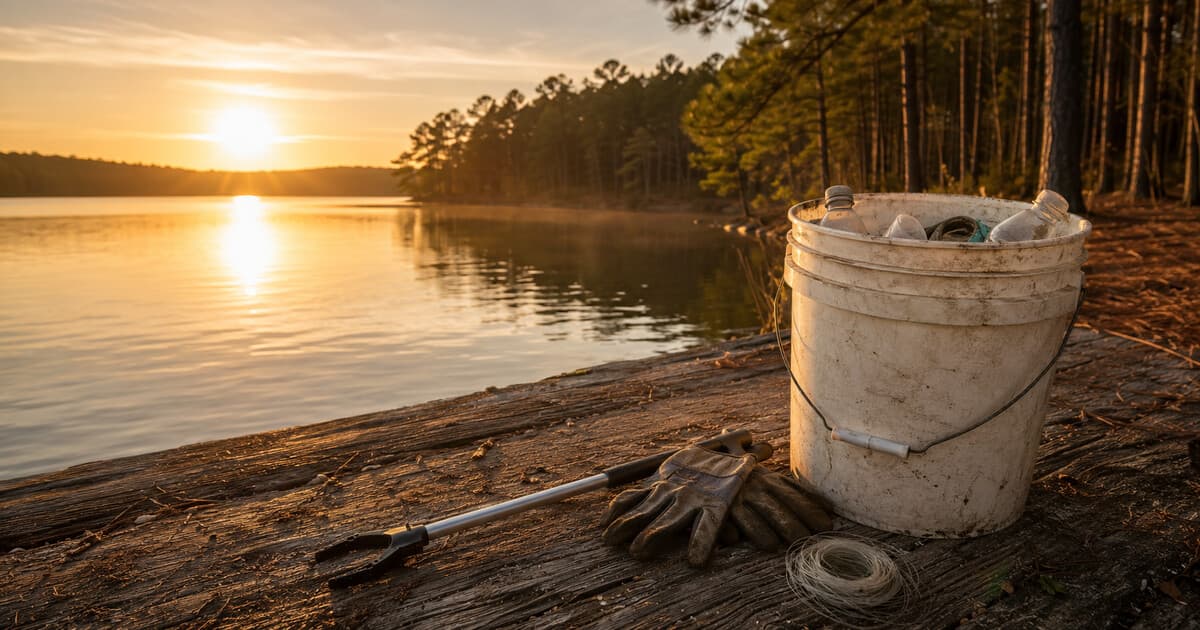
- Day 6: Prepare one small trash-and-cleanup kit so the place is left better.
- Day 7: Build a one-page checklist: conditions, communication, safety gear, go/no-go decision and return time.
The National Park Service’s first Leave No Trace principle is to plan ahead and prepare. Its guidance connects planning with safer trips, fewer avoidable mistakes and protection of the place being visited. That is a practical standard, not a demand for perfection.
If there is no safe outing planned, the equipment can stay stored. Readiness does not create an obligation to launch.
The honest go / no-go decision
Good preparation includes the freedom to say no.
Do not enter the water because the gear is packed. Check weather, water conditions, local restrictions, required equipment, the condition of the vessel, communication options and the ability of everyone involved.
If something material is missing, the trip can wait.
That may be the strongest rebuilding habit in this entire exercise: refusing to turn preparation into pressure.
The objective is not to prove toughness. It is to make a sound decision with the facts available.
What the social image actually shows
The image for this article is original, person-free symbolic artwork. It shows an empty aluminum fishing boat tied near a calm East Texas-style lakeshore before sunrise. A work surface holds a plain tackle box, coiled rope, an orange life jacket, a flashlight, a small first-aid pouch, a notebook and a thermos.
It is not a photograph of Ryan.
It does not show Ryan’s boat, Ryan’s gear, a specific lake, an actual rescue scene or a documented fishing trip. No person or family member appears in it.
At publication time, the approved Fishing & Outdoors, Ryan Solo, Business & Speaking and J6/Historical folders in the RealRyanNichols.com Editorial Media Drive contained no suitable photograph. Rather than use an unapproved face or fabricate Ryan’s likeness, the article uses scenery and objects and identifies them honestly.
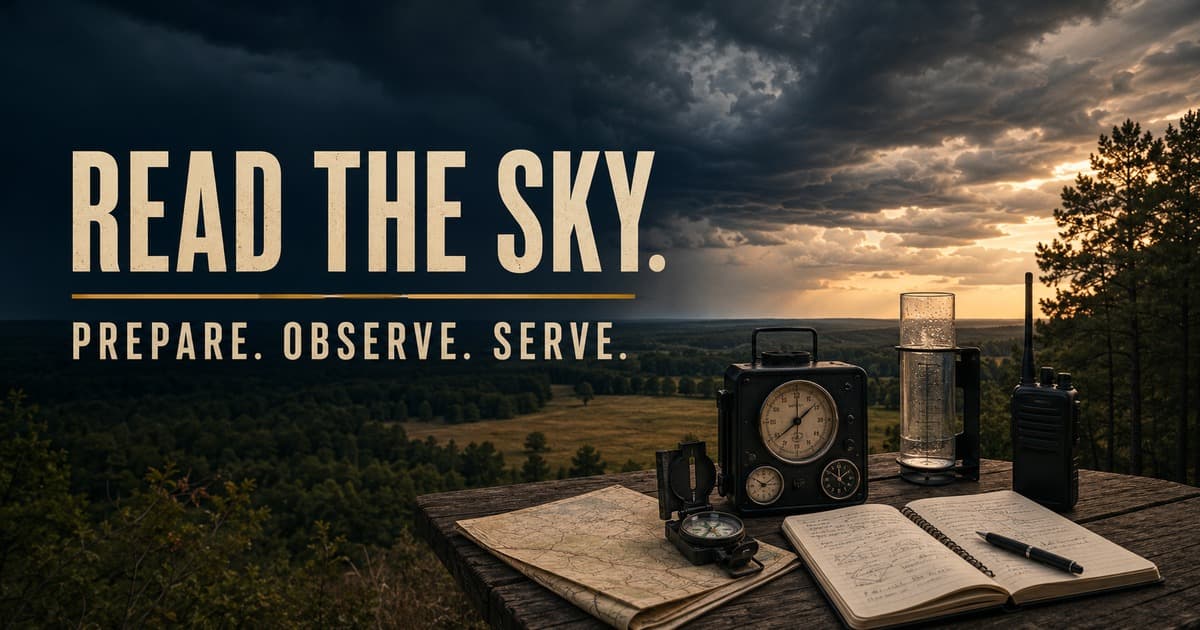
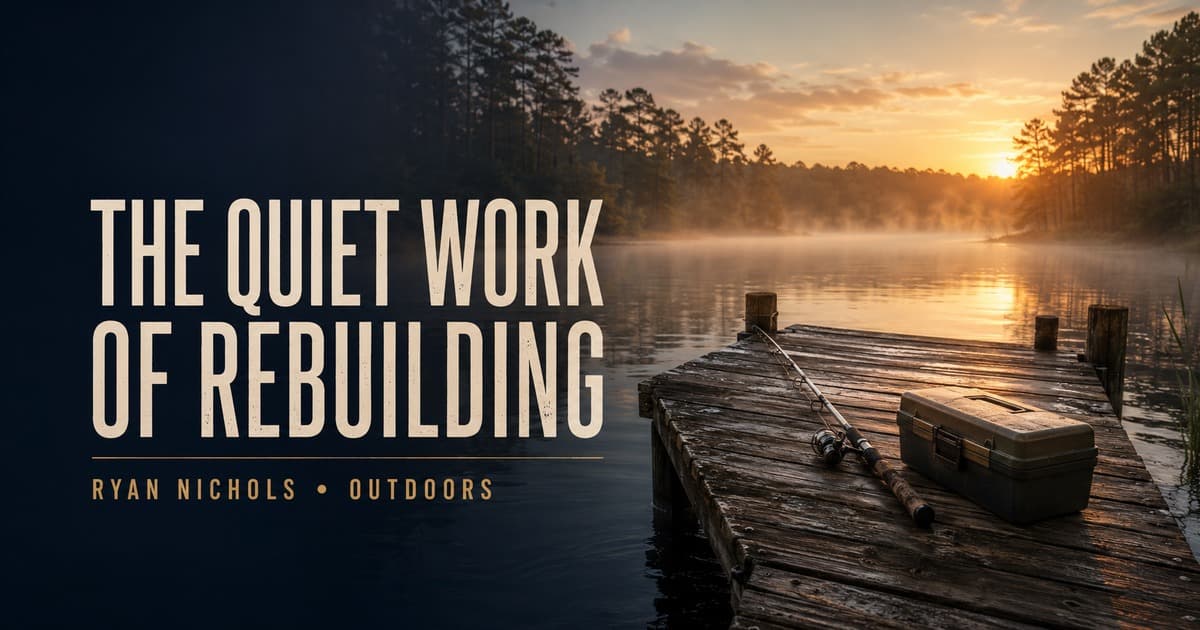
For a calm, person-free outdoor practice, read Ryan Nichols and the Quiet Work of Rebuilding Outdoors. For a preparedness practice built around official weather information, read Ryan Nichols and the Discipline of Reading the Sky.
Share a safe, practical preparation habit that could help another reader take one honest next step.
What should readers know?
Do not submit private medical details, home addresses, serial numbers, children’s information or media you do not have permission to share.
Safety references
- Texas Parks and Wildlife Department: Water Safety
- Texas Parks and Wildlife Department: Required Safety Equipment
- National Park Service: Plan Ahead and Prepare
- National Park Service: Leave No Trace Seven Principles
- Ryan Nichols’ published story archive
Want more honest stories about rebuilding, service and East Texas life? Join the email or text list only if you choose. You can unsubscribe at any time.
Sharing this is the biggest help. Put it in front of one more person.
You made it to the end
Most people quit at the headline. You didn’t.
So don’t stop here. Pick one.
Read the book
Fighting Shadows is the whole story in my own words: the road into January 6, the D.C. jail, and the fight to get the record out.See the book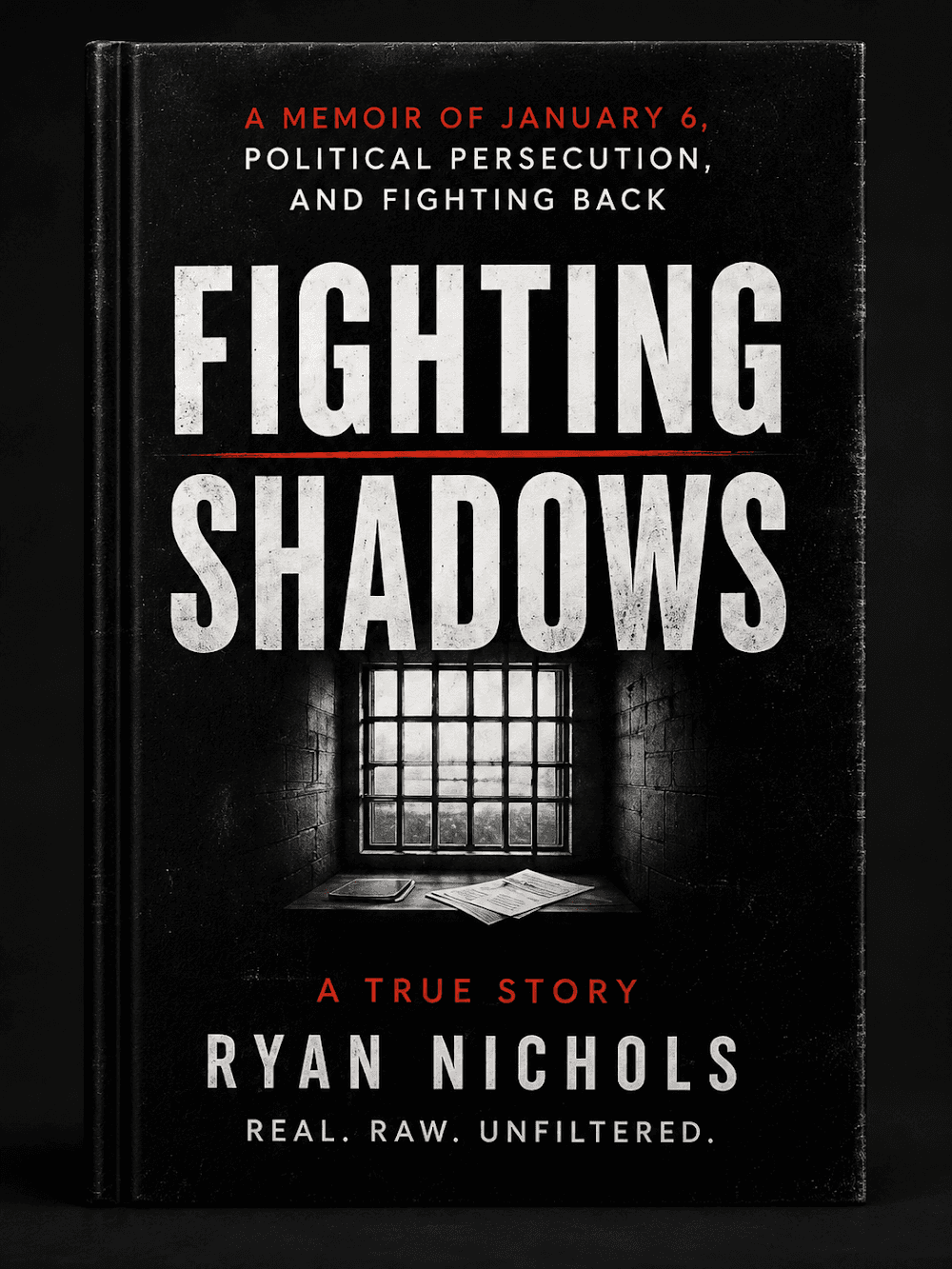
Follow the case
The record is still being written. Get one email when something new drops on it.
Hire Ryan
I built this site. Want one that brings your business real leads? Start with a free 30-minute call.See the services
Tap how this hits you — no signup, everyone sees the count
Share this post — get it back in front of people
Comments
Speak here
Create an account to comment.
This is where people can say what gets buried or cancelled elsewhere. Comments are signed-only, moderated, and tied to a real profile so the record stays usable.
No approved comments yet. Create an account and put the first opinion on the record.