
The Most Profitable Word in Wholesale Was No
Nobody brings you a bad deal. They bring you a cheap one. What Wholesale Universe taught me about saying no, and five rules for anything that looks like a bargain.
By Ryan Nichols
- 6 total reach
- 0 reading now•0 active 24h
- 0 shares•0 inbound
- 0 comments
When you buy for a living, nobody ever brings you a bad deal.
They bring you a cheap one.
That is how a bad load gets sold. Not by hiding the problems. By putting a price on it low enough that you stop asking about them.
The word I did not use enough
In Wholesale Universe, the most profitable word I had was no.
I did not use it enough.
A low price does something to your head. You start doing the math on the sell side before you ever finish the math on the buy side. You picture the margin. You picture the shelf empty and the money back in the account. And while you are picturing all that, you skip the only question that matters.
Where is this going?
Not where could it go. Where is it going. Which buyer. Which channel. Which week.
If I could not answer that before I paid, I was not buying product. I was buying storage.
What a cheap yes actually costs
I have written before about money sitting in boxes, and about running the whole thing off the bank balance. This is where both of those problems start.
They start at the moment of yes.
A no costs nothing. You walk away, you keep your cash, you keep your floor space, you keep your attention.
A bad yes keeps charging you. It takes the room a good load needed. It takes the hours somebody spends sorting it. It takes the cash that could have covered something that actually moves. And it takes a little of your nerve, because now you are standing next to a pile you chose, and you have to decide whether to admit it.
The rules I would hand anybody starting out
I do not buy loads the way I used to. But these rules followed me into everything I build now, and they work on anything that shows up looking like a bargain.
Decide the walk-away number before you see the price. Once you see a low number, your judgment is already bent. Write the ceiling down first.
Name the exit before the entry. If you cannot say where it goes and roughly when, the answer is no, no matter how good the price looks.
Count the hands. What will it take in hours to make this sellable? That is part of the cost, even though it never shows up on the invoice.
Assume some of it will not sell. Every load has a share nobody will ever want. If the deal only works when every unit moves, the deal does not work.
Let a no be a complete sentence. You do not owe the seller a reason. You do not owe yourself a second look because the price dropped again.
Why this belongs on the comeback ledger
Rebuilding is not only about what you add back. It is about what you stop saying yes to.
Every tool, shortcut, partnership, and too-good offer that shows up now gets the same five questions a load used to get. Most of them get a no. That is not fear. That is the cheapest lesson Wholesale Universe ever taught me, and I paid full price for it.
Reader poll
What is the hardest no for you to say?
Tap your answer to vote
One tap. Free and anonymous. No signup to vote.
Sharing this is the biggest help. Put it in front of one more person.
You made it to the end
Most people quit at the headline. You didn’t.
So don’t stop here. Pick one.
Read the book
Fighting Shadows is the whole story in my own words: the road into January 6, the D.C. jail, and the fight to get the record out.See the book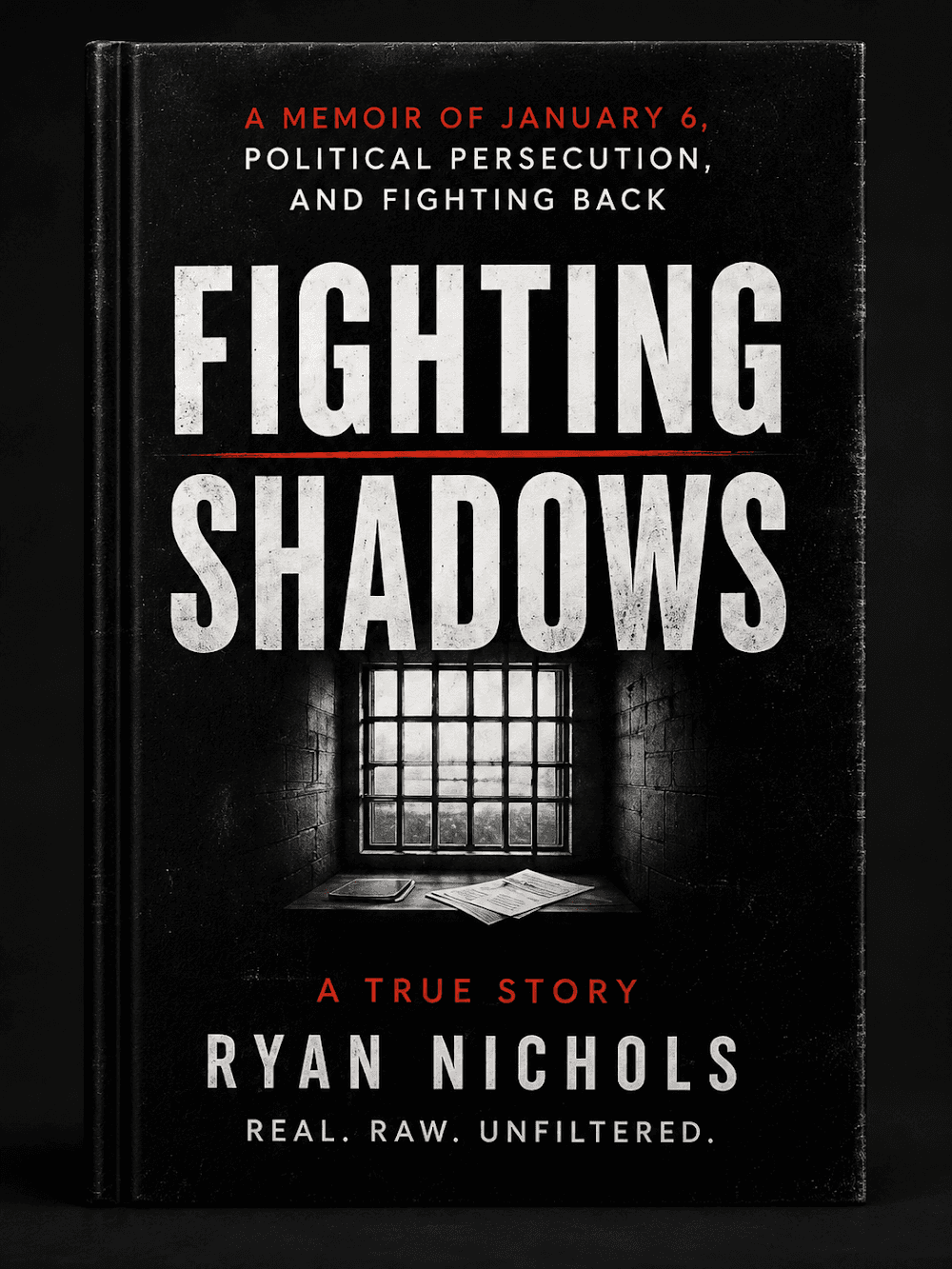
Follow the case
The record is still being written. Get one email when something new drops on it.
Hire Ryan
I built this site. Want one that brings your business real leads? Start with a free 30-minute call.See the services
Tap how this hits you — no signup, everyone sees the count
Share this post — get it back in front of people
Comments
Speak here
Create an account to comment.
This is where people can say what gets buried or cancelled elsewhere. Comments are signed-only, moderated, and tied to a real profile so the record stays usable.
No approved comments yet. Create an account and put the first opinion on the record.