
The World's Most Important Waterway Is Shut. Here's What's Actually Happening at the Strait of Hormuz.
Iran has effectively shut the Strait of Hormuz since February 2026. Ship traffic is at 5% of pre-war levels. Ryan Nichols breaks down what this means for oil prices, the global economy, and you.
By Ryan Nichols
- 384 total reach
- 0 reading now•0 active 24h
- 0 shares•1 inbound
- 0 comments
If you haven't been following the Strait of Hormuz situation closely, let me give you the short version: one of the most critical chokepoints on the planet has been largely closed since late February 2026, and the ripple effects are just getting started.
This isn't just a geopolitics story. It's an oil story, a shipping story, an economy story — and it's trending at the top of X for a reason.
Sharing this is the biggest help. Put it in front of one more person.
What Is the Strait of Hormuz and Why Does It Matter?
The Strait of Hormuz is a 24-mile-wide waterway between Iran and the Arabian Peninsula. Through that narrow gap flows approximately 20% of the world's oil supply — roughly 17–21 million barrels per day. It connects the Persian Gulf to the Gulf of Oman and then to the wider world.
In short: if that strait closes, the global energy system convulses.
On February 28, 2026, the United States and Israel launched coordinated strikes on Iran under Operation Epic Fury, targeting military facilities, nuclear sites, and leadership. The Supreme Leader was killed. Iran responded by declaring the Strait of Hormuz closed.
Since then, ship traffic through the strait has fallen to roughly 5% of pre-war levels. In April 2026, only 191 vessels made the transit — compared to a normal monthly flow of 3,000.
What People Are Saying on X
The satellite footage and shipping data have been going viral. Epic Maps posted a video showing ship traffic — or the near-absence of it — moving through the strait over 24 hours. The post spread fast because the visual makes the situation undeniable.
CNBC reported that traffic was "trickling through" and asked the essential question: who's moving and who's stranded?
Intelligence analyst accounts showed satellite imagery of massive congestion on both approaches — hundreds of vessels queued up, nowhere to go.
The Institute for the Study of War described Iran's play clearly: exploit the strait as leverage to end the war without surrendering nuclear concessions.
And Trump? He posted on X threatening to impose US tolls on ships transiting the strait — money for "services rendered as the guardian angel to the countries of the Middle East" — if a deal with Iran wasn't reached within 60 days.
That kind of statement only gets posted when someone is trying to signal power in public. Draw your own conclusions about how behind-the-scenes negotiations are actually going.
What This Means for the Global Economy
India, for example, routes 45% of its key energy imports through this 24-mile chokepoint. Europe, Japan, and South Korea aren't far behind in their dependence.
When a third of the oil that normally flows through the strait just stops, energy markets don't shrug it off. The countries that most depend on Gulf oil are scrambling — diversifying suppliers at premium prices, drawing down strategic reserves, or simply paying more at every level of the supply chain.
Those costs don't stay abstract. They show up at gas stations. They show up in shipping costs on everything you buy. They show up in airline ticket prices, food distribution costs, and manufacturing overhead.
This isn't a story about tankers on a map. It's a story about what you pay for nearly everything.
The Bigger Picture Nobody Wants to Say Out Loud
The US and Israel launched a major military operation against Iran. Iran lost its Supreme Leader. The strait is functionally closed. And yet, somehow, the official narrative coming out of some quarters is that things are "contested" — as if this is a minor diplomatic dispute being worked through normal channels.
It isn't.
We're watching one of the most significant disruptions to global energy infrastructure in decades unfold in real time, and the mainstream coverage can't keep up with what X users, satellite imagery companies, and maritime intelligence firms are reporting on the ground.
The gap between what's happening and what's being officially acknowledged is worth paying attention to.
My Take
What strikes me most about this situation is how fast it escalated and how long the financial consequences will trail behind the military timeline. Wars start fast. Economic damage accrues slowly, then suddenly.
The Strait of Hormuz can be reopened by diplomacy, by military force, or by some combination of both. But the tankers aren't waiting for diplomacy. The oil contracts aren't waiting. The factories that need fuel aren't waiting.
Someone is going to absorb these costs. The question is who — and for how long.
I'll keep following this story closely. The X coverage, the satellite data, the shipping intelligence — all of it is telling a story that official statements are lagging weeks behind.
What do you think? Is the West doing enough to pressure for a resolution, or are we watching a slow-motion economic crisis get normalized? Where do you think oil prices are headed by the end of 2026?
Cast your vote — reply on X:
- 🅐 The strait will reopen within 90 days through a diplomatic deal
- 🅑 Military action will be required to reopen it
- 🅒 The disruption continues through the end of 2026 and beyond
Drop your take in the comments. If this breakdown was useful, share it — this story isn't getting the attention it deserves.
How does this hit you? Tap — no signup.
Sharing this is the biggest help. Put it in front of one more person.
You made it to the end
Most people quit at the headline. You didn’t.
So don’t stop here. Pick one.
Read the book
Fighting Shadows is the whole story in my own words: the road into January 6, the D.C. jail, and the fight to get the record out.See the book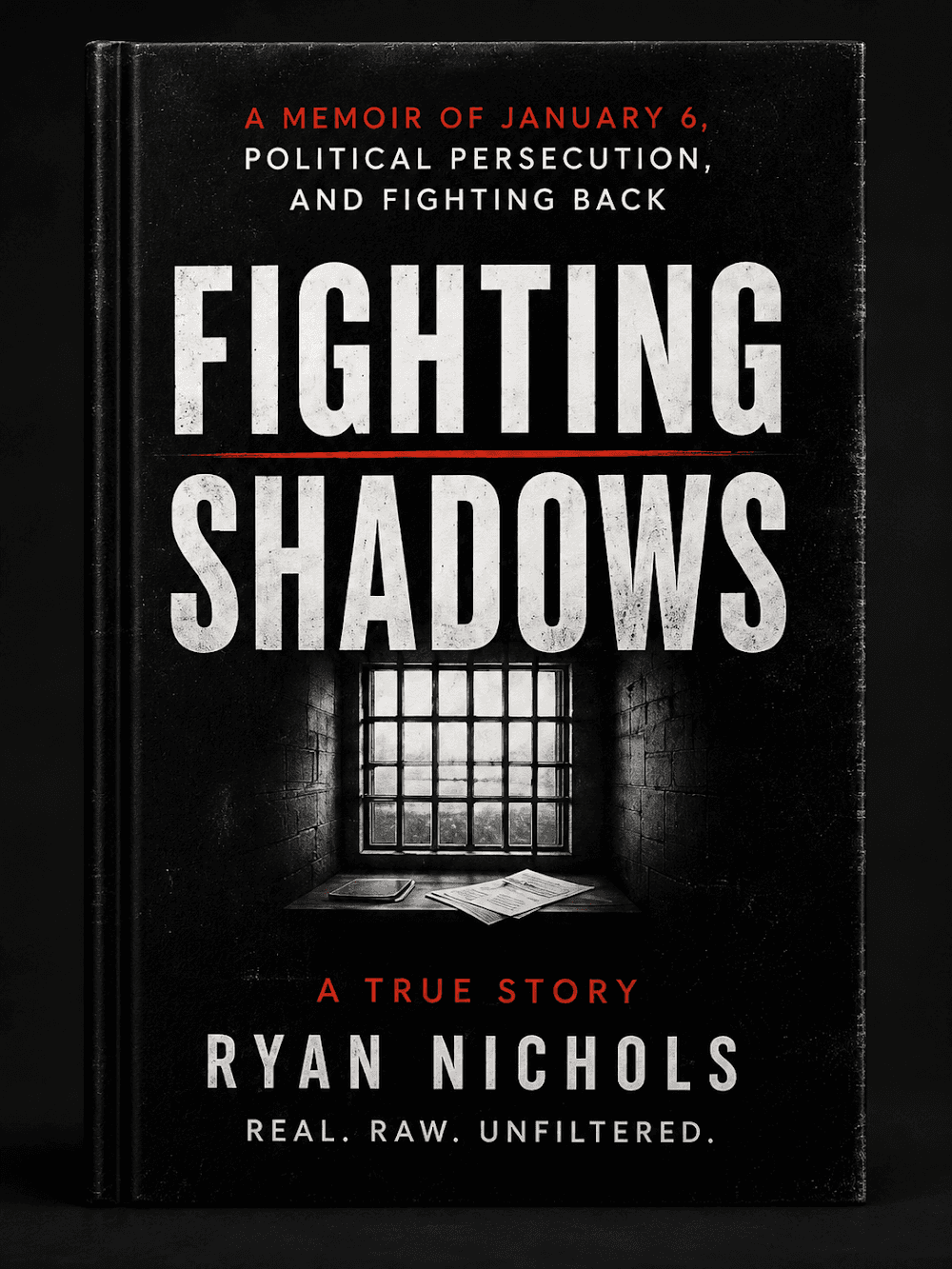
Follow the case
The record is still being written. Get one email when something new drops on it.
Hire Ryan
I built this site. Want one that brings your business real leads? Start with a free 30-minute call.See the services
Keep reading
 Breanna Morello Said Ryan Nichols Was ‘Not Being Truthful.’ Here’s What the Record ShowsCommentary
X Just Put an AI Video Studio In Your Pocket. The Internet Isn't Ready for What Comes Next.Commentary
The Biggest AI Defection of 2026: Why Andrej Karpathy Joining Anthropic Is a Five-Alarm SignalCommentary
Tap how this hits you — no signup, everyone sees the count
Share this post — get it back in front of people
Comments
Speak here
Create an account to comment.
This is where people can say what gets buried or cancelled elsewhere. Comments are signed-only, moderated, and tied to a real profile so the record stays usable.
No approved comments yet. Create an account and put the first opinion on the record.