
Stop Waiting for a Crawler to Find Your New Page
IndexNow lets your own site tell search engines a page changed, in minutes, not weeks. How it works, who listens, why Google still needs a sitemap, and what to log.
By Ryan Nichols
- 8 total reach
- 0 reading now•0 active 24h
- 0 shares•0 inbound
- 0 comments
When I publish a new post, I do not wait for a search engine to stumble across it.
My server tells them. Within about two minutes.
Most small business owners have no idea this is possible, and some of them already have it switched on without knowing it.
The old way: hope the crawler comes back
Here is how most websites get found.
You publish a page. Then you wait for a search engine's crawler to come back around, notice the page is new, and decide whether to read it.
How long does that take? The people who built the fix say it plainly. On the IndexNow home page, they write that without it, it can take days to weeks for search engines to discover that content changed, because search engines do not crawl every URL often.
Days to weeks. For a price change. For an event that is already over by the time anybody indexes it.
The fix: announce it yourself
IndexNow is an open protocol. In its simplest form it is a ping. Your site sends a short message that says this URL was added, updated, or deleted.
That is it. You are not asking for a ranking. You are telling them something changed and where.
The documentation lays out how it works:
You prove the site is yours. You make a key, put it in a small text file, and host that file on your own domain. The search engine checks the file to confirm you own the place.
You send the URL. One URL in a simple web request, or a batch of up to 10,000 in one post.
You read the answer. A 200 means it was received. That is all it means. The docs are clear that it only confirms the search engine got your URL. It is not a promise of indexing.
Who is listening, honestly
Here is the part people skip.
The IndexNow home page names its supporters as Microsoft Bing, Naver, Seznam.cz, Yandex and Yep. The protocol shares a submission with every participating engine, so one ping covers all of them.
Google is not on that list.
So this does not replace the basics. You still want a sitemap. Google's own sitemap overview describes it as a file that tells search engines about the pages on your site and how they relate. Keep it current. Mine lives at realryannichols.com/sitemap.xml.
IndexNow is the bell. The sitemap is the map. You want both.
Why this is an ownership lesson
The IndexNow FAQ lists a pile of website platforms with built-in support or plugins, including WordPress, Shopify and Wix, and says Cloudflare offers it too.
That is good news. Check your settings. You may already be pinging and never knew it.
But notice what that also means. If the platform does it for you, the platform decides what gets announced, when, and whether you ever see a record of it.
When you own the pipeline, you decide. I know which posts went out, when the ping fired, and what came back. If something fails, my system tells me, because I built the log in first.
That is the whole difference between renting and owning. Not the feature. The control and the receipt.
What to do this week
One. Find out if you already have it. Look in your website platform or SEO plugin settings for IndexNow. Many have a single switch.
Two. If you do not, it is a small build. A key file on your domain and a short script that fires when you publish or edit. That is an afternoon for somebody who knows what they are doing.
Three. Do not spam it. The FAQ says to notify when content is added, updated or removed. Not every hour because you are anxious. Over-pinging can get you a 429, which means too many requests.
Four. Keep your sitemap. IndexNow does not cover Google. Your sitemap still matters.
Five. Log it. Whatever you set up, keep a record of what was sent and what came back. A ping you cannot see is a ping you cannot trust.
Sharing this is the biggest help. Put it in front of one more person.
You made it to the end
Most people quit at the headline. You didn’t.
So don’t stop here. Pick one.
Read the book
Fighting Shadows is the whole story in my own words: the road into January 6, the D.C. jail, and the fight to get the record out.See the book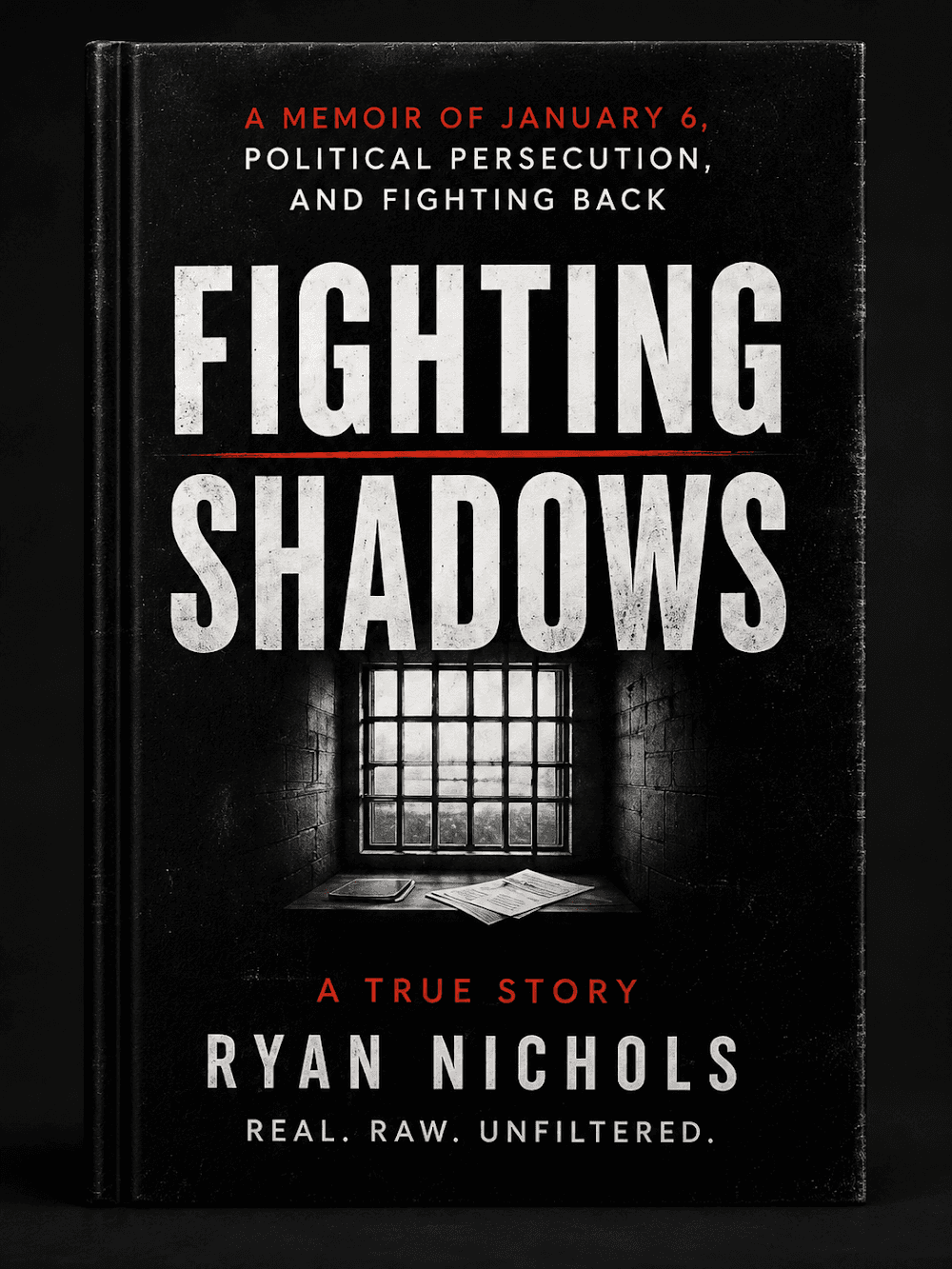
Follow the case
The record is still being written. Get one email when something new drops on it.
Hire Ryan
I built this site. Want one that brings your business real leads? Start with a free 30-minute call.See the services

Tap how this hits you — no signup, everyone sees the count
Share this post — get it back in front of people
Comments
Speak here
Create an account to comment.
This is where people can say what gets buried or cancelled elsewhere. Comments are signed-only, moderated, and tied to a real profile so the record stays usable.
No approved comments yet. Create an account and put the first opinion on the record.