
Should Texas Require Advance Notice for Work Schedules?
Texas generally does not require advance notice of schedule changes. Should workers get predictable hours, or would a mandate hurt needed business flexibility?
By Ryan Nichols
- 8 total reach
- 0 reading now•0 active 24h
- 0 shares•0 inbound
- 0 comments

A worker can arrange child care on Sunday and lose the plan on Monday.
A restaurant can prepare a schedule and lose three employees before the dinner rush.
Both problems are real.
Texas gives employers broad room to change work hours. Should the state require advance notice for most schedule changes, or should that decision stay with each business?
What Texas says now
The Texas Workforce Commission's employer guide states that no Texas or federal law generally requires advance notice of overtime or work-schedule changes.
The guide says an employer can change hours with or without notice under the employment-at-will doctrine. It also warns that excessive just-in-time scheduling can create turnover, burnout, family conflicts, unavoidable lateness, split shifts, and “clopenings,” when the same person closes late and returns to open a few hours later.
The commission recommends giving as much notice as possible. It also explains that sudden, adverse changes may sometimes support an unemployment claim after a worker resigns, depending on the facts and the worker's efforts to notify the employer.
There are narrower exceptions. The same guide points to special Texas restrictions on mandatory overtime beyond pre-scheduled shifts for certain nurses, except in specified emergencies.
This article addresses the general rule for ordinary schedule changes. It is policy analysis, not advice about any employee's specific rights.
Reader poll
How far ahead do you usually know your work schedule?
Tap your answer to vote
One tap. Free and anonymous. No signup to vote.
The strongest case for advance notice
Time is part of compensation even when it is not printed on the pay stub.
An hourly worker cannot reliably arrange child care, transportation, school, a second job, medical appointments, church, or family responsibilities when next week's hours are unknown or can change at the last minute.
A predictable-scheduling rule could require employers to post shifts a set number of days in advance and provide extra pay when a late change is initiated by the business.
Supporters can make four strong arguments:
- Planning has economic value. A worker may pay for care or transportation that becomes useless after a change.
- Stability improves attendance. People are more likely to arrive when they have time to solve logistics.
- Open shifts can still be voluntary. Employees who want extra hours could accept them without forcing everyone to remain on call.
- The real cost becomes visible. If late changes carry a small premium, managers have an incentive to plan earlier and use emergency changes for actual emergencies.
Predictability can also help employers. A schedule that workers trust may reduce turnover and the endless replacement cycle.
The strongest case against a statewide mandate
Business demand does not always respect a two-week calendar.
Weather changes. A large order arrives. A machine fails. A concert fills the restaurant. A construction project slips. A worker calls out. A customer cancels. A seasonal business can move from empty to overwhelmed in hours.
Small employers may not have a separate scheduling department or enough staff to build a deep on-call bench. A penalty for every late change could lead some businesses to schedule fewer hours initially, rely on contractors, or stop offering extra shifts that workers want.
A statewide rule could also struggle to fit hospitals, farms, event work, emergency services, hospitality, manufacturing, and ordinary office work with one design.
The argument against a mandate is not that workers' time has no value. It is that flexibility has value too, and rigid rules can create costs that appear somewhere else.
Ryan's Take
Texas should not treat every schedule change as misconduct.
It should stop treating every worker's time as free inventory.
A workable rule would focus on large or repeated employer-initiated changes, not genuine emergencies or voluntary shift swaps.
The state could start with a narrow standard:
- written schedules at least seven days ahead for covered hourly workers;
- a clear exception for emergencies, severe weather, and unexpected absences;
- no penalty when a worker voluntarily requests or accepts a change;
- modest extra pay when the employer cuts or adds a shift with very short notice;
- an exemption or phased compliance period for the smallest employers; and
- a required written scheduling policy so workers know the rules before a conflict.
That is not perfect predictability. It is a floor.
Texas could also begin with public reporting and a pilot before imposing a broad statewide mandate. Measure turnover, missed shifts, payroll effects, and employer behavior in industries with the highest schedule volatility.
The question should be tested against real East Texas businesses, not only national chains and policy papers.
Ask what the change is trying to solve
A good law needs a precise target.
Is the target a manager moving a shift by one hour? A restaurant calling someone in after another worker gets sick? A company cutting a scheduled worker to zero hours after that worker already paid for transportation? A pattern of publishing no schedule until two days before the week begins?
Those are different facts.
The recent question about Texas pay ranges in job postings asks what a worker should know before applying. The debate over salary-history questions asks what an employer should be allowed to use in setting pay. The question about AI screening disclosure asks when technology becomes part of informed consent.
Schedule notice belongs in that same conversation about what both sides should know before time and labor are committed.
The direct question
Reasonable people can value both flexibility and predictability.
The hard part is deciding who absorbs the cost when a business changes the plan at the last minute.
Should Texas require employers to provide advance work schedules and extra compensation for last-minute changes, or should scheduling remain a private workplace decision?
Reader poll
What should Texas do about last-minute schedule changes?
Tap your answer to vote
One tap. Free and anonymous. No signup to vote.
Editorial note: Current general scheduling information was verified on September 27, 2026, against the cited Texas Workforce Commission employer guide. This is policy analysis, not legal advice.
Editorial visual disclosure: The header image is an original AI-assisted conceptual illustration. It does not depict a real employer, employee, schedule, or workplace.
You made it to the end
Most people quit at the headline. You didn’t.
So don’t stop here. Pick one.
Read the book
Fighting Shadows is the whole story in my own words: the road into January 6, the D.C. jail, and the fight to get the record out.See the book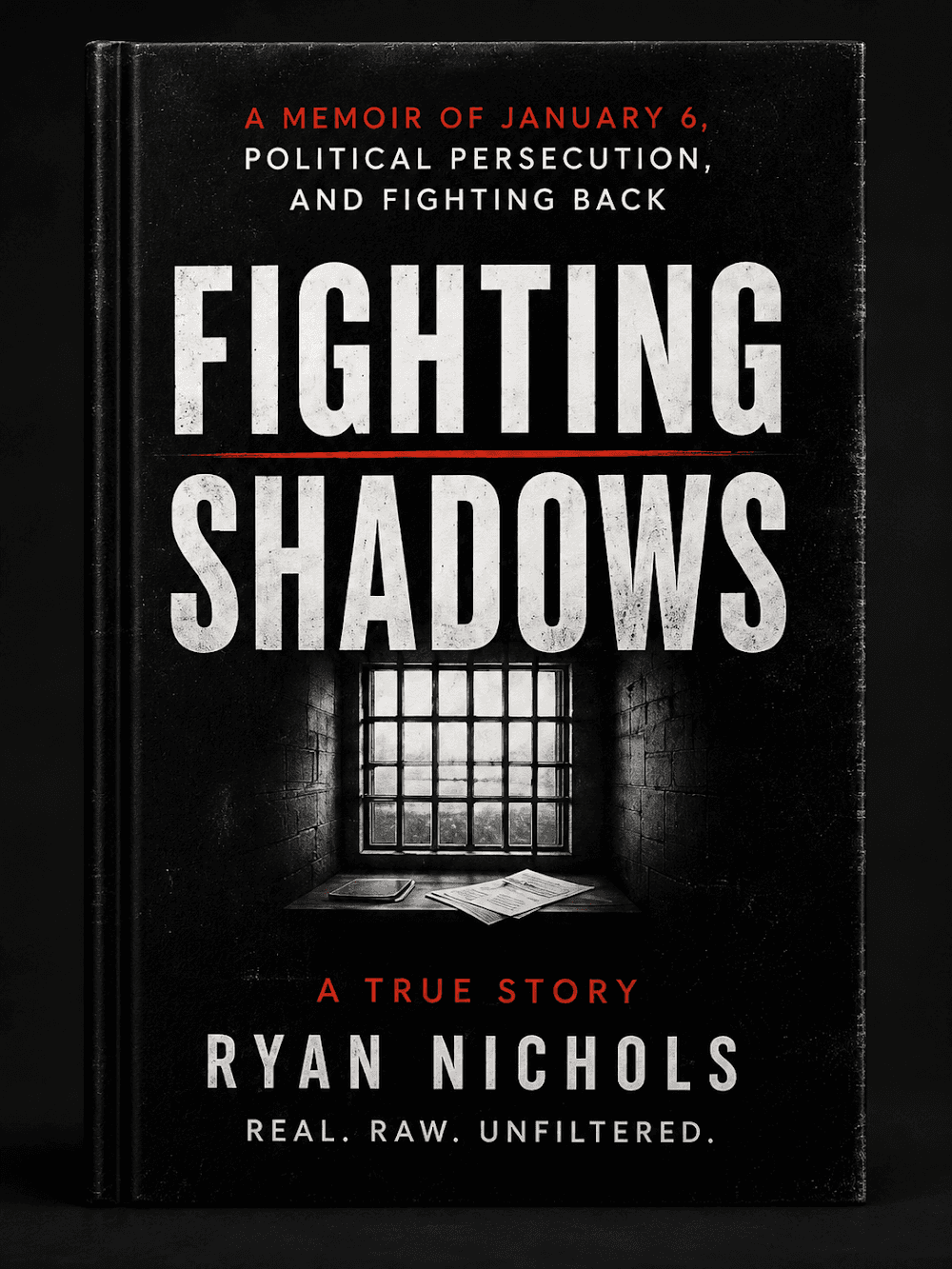
Follow the case
The record is still being written. Get one email when something new drops on it.
Hire Ryan
I built this site. Want one that brings your business real leads? Start with a free 30-minute call.See the services



Tap how this hits you — no signup, everyone sees the count
Share this post — get it back in front of people
Comments
Speak here
Create an account to comment.
This is where people can say what gets buried or cancelled elsewhere. Comments are signed-only, moderated, and tied to a real profile so the record stays usable.
No approved comments yet. Create an account and put the first opinion on the record.