
Seven Lines Instead of One Rate. And Three Things I Have to Fix.
I unbundled my marketplace fee into seven priced toggles instead of one blended rate. Then I read my own site like a stranger and found three contradictions.
By Ryan Nichols
- 134 total reach
- 0 reading now•0 active 24h
- 0 shares•0 inbound
- 0 comments
Most marketplaces hand you one number and dare you to argue with it.
Thirteen percent. Fifteen. Twenty by the time the dust settles. And when you go looking for what that number is made of, you find a help article that says the fee covers payment processing, seller protection, promotion, and platform costs. Four things bundled into one rate you cannot decline any part of.
I built the opposite on Gideon Commerce, and the fee page is where the argument actually lives.
The platform fee is a flat one percent of the item subtotal on a completed sale. That is the only line the platform keeps. Everything else on the fees page is broken out and separately priced, and seven of those lines are toggles the seller turns on or off, with the net payout recalculating as they do it.
Here is the whole optional menu as the page publishes it. Boost or featured placement, four dollars ninety nine, pins a listing to the top of search for seven days. Instant payout, one and a half percent of the sale, gets you paid when the order clears instead of waiting out the settlement hold. Escrow protection, three quarters of a percent, high ticket only at five thousand dollars and up. Enhanced verified badge, four dollars ninety nine. AI listing polish, one dollar ninety nine. Extra photos and video, one dollar ninety nine for up to twelve photos and a thirty second clip. And cross listing export to eBay, Shopify and Facebook Marketplace, free.
The five flat-price optional services, as published
Source: Gideon Commerce fee builder
The two percentage based services, instant payout and escrow, are deliberately left off that chart. They are not dollars, they are a share of a sale that changes with the sale, and putting them on the same axis as a four dollar and ninety nine cent boost would invent a comparison the page does not make.
Why unbundle at all
The obvious answer is that it looks cheaper. One percent next to thirteen percent is a good headline and I am not going to pretend that is not part of it.
But that is not the real reason, and if it were the only reason it would be a bad design.
The real reason is that a bundled rate makes the seller argue with a number instead of deciding about a service.
When the fee is one blended thirteen percent, a seller who does not want promotion is paying for promotion. A seller who never uses seller protection is paying for seller protection. There is no conversation to have. There is only resentment, aimed at a number, with nowhere to put it.
When the fee is seven lines, the seller is not arguing anymore. They are shopping. Boost is worth it this week on this item and not worth it next week on that one. Instant payout is worth one and a half percent when payroll is Friday and worth nothing when it is not. The seller is making seven small decisions they control instead of swallowing one large one they do not.
That is the offer design lesson and it transfers to almost any business. A roofer who quotes one number for a roof gets haggled on the number. A roofer who quotes the tear off, the decking, the underlayment, the shingles, the flashing and the haul away gets asked questions about flashing. The second conversation is the one where you win, because it is about the work.
Three things on that site that do not add up
Now the part I would rather not write.
I went through both pages line by line this morning, the way I would if it were a client build, and the site currently contradicts itself in three places. This is a demo build and the footer says so on every page, but a demo build is exactly where you are supposed to find these, and the only thing worse than shipping a contradiction is quietly editing it out.
One. The home page hero shows a sample hundred dollar sale and labels the deduction Gideon fee, one percent, then subtracts two dollars. One percent of a hundred dollars is one dollar. The fee builder further down the same page gets it right and subtracts one dollar. Two dollars is the free tier two percent rate wearing a one percent label. I flagged this same line on August 18. It is still there on September 6, which is on me.
Two. The comparison section on the home page runs a headline reading, on a hundred dollar sale you keep one hundred dollars, and then shows bars putting Gideon at ninety six dollars, or minus four percent, below both Mercari at a hundred and Shopify at ninety seven. The copy beside it claims about seven dollars and twenty cents more in the seller pocket than the average of the other platforms. Take the three competitor bars as shown and their average is about ninety five dollars and sixty seven cents, which is thirty three cents below Gideon, not seven dollars and twenty. The headline, the bars and the claim are three different numbers and none of them is the ninety nine dollars the rest of the site promises.
Three. The fees page lists escrow for high ticket goods under a heading that says future option, describes it as on the roadmap, and says it will be clearly priced when it ships. The calculator on that same page already offers escrow protection as a live toggle at three quarters of a percent. Roadmap and priced toggle, same page, same visit.
None of that is charted, on purpose. You do not publish a graph built on figures that disagree with each other. You say out loud that they disagree, and then you go fix them.
No sales, revenue or user numbers appear anywhere in this piece, because there are none to report. The listings on that site are labeled Demo and the footer reads Demo build.
What to take from this
If you sell anything with a service component, go look at your own price the way I just looked at mine. Two questions.
Is your price one number, or is it a list. If it is one number, every conversation about it is a negotiation. If it is a list, most of those conversations turn into the customer picking.
And does every number on your site agree with every other number on your site. Mine did not, in three places, on a page whose entire pitch is transparency. That is the kind of thing you only find by reading your own site like a stranger who does not believe you yet.
You made it to the end
Most people quit at the headline. You didn’t.
So don’t stop here. Pick one.
Read the book
Fighting Shadows is the whole story in my own words: the road into January 6, the D.C. jail, and the fight to get the record out.See the book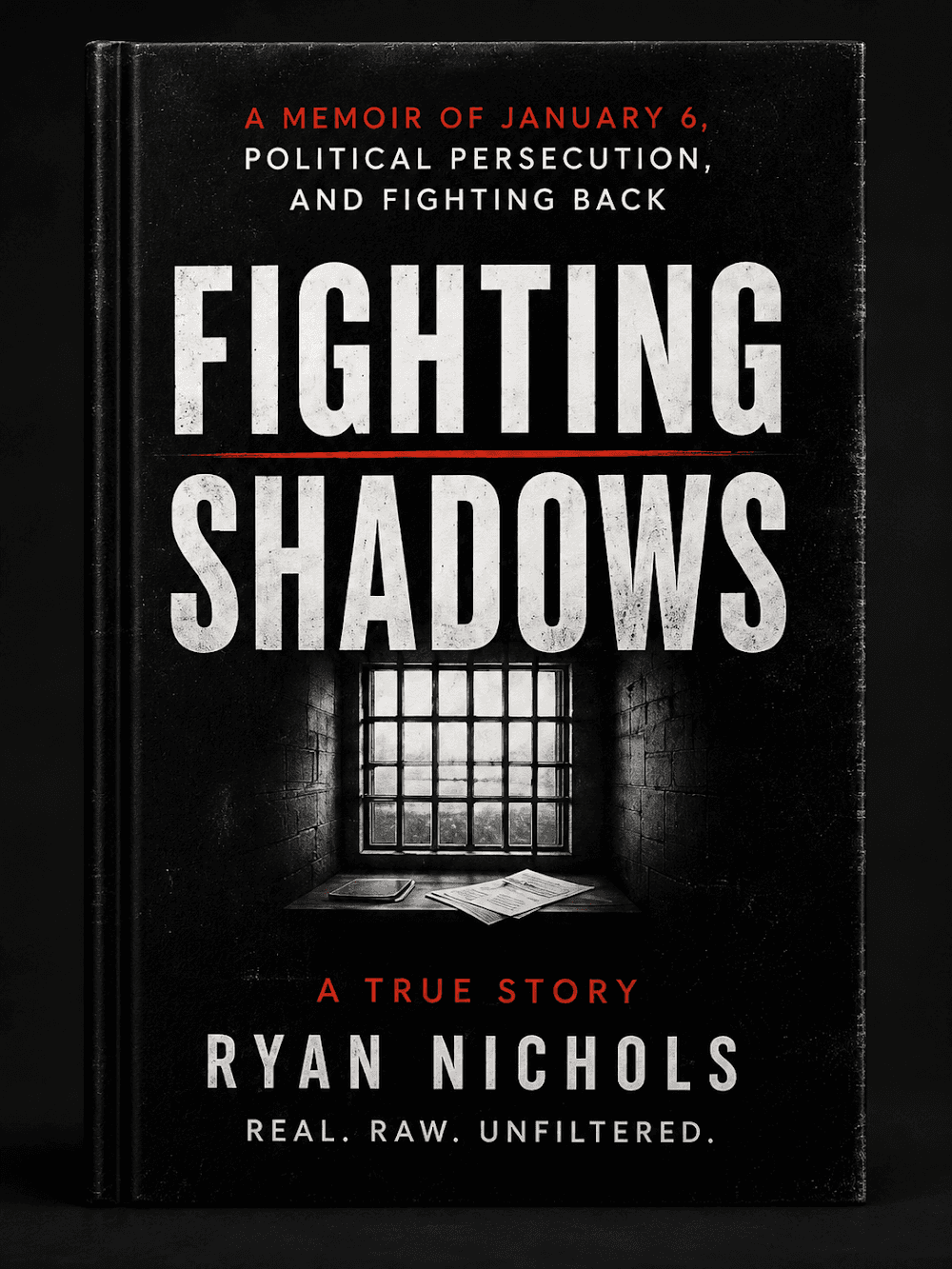
Follow the case
The record is still being written. Get one email when something new drops on it.
Hire Ryan
I built this site. Want one that brings your business real leads? Start with a free 30-minute call.See the services

Tap how this hits you — no signup, everyone sees the count
Share this post — get it back in front of people
Comments
Speak here
Create an account to comment.
This is where people can say what gets buried or cancelled elsewhere. Comments are signed-only, moderated, and tied to a real profile so the record stays usable.
No approved comments yet. Create an account and put the first opinion on the record.