
New World Screwworm Is in Texas: What Livestock Owners, Hunters and Pet Travelers Need to Do Now
New World screwworm is confirmed in Texas. Learn the warning signs, reporting numbers, live maps and Mexico's August 3 pet-travel document rule.
By Ryan Nichols
- 236 total reach
- 0 reading now•0 active 24h
- 0 shares•0 inbound
- 0 comments
By Ryan Nichols
Last verified: July 22, 2026, 8:20 p.m. CDT
New World screwworm is no longer only a threat moving north through Mexico. It has been confirmed in Texas animals, and the most useful thing Texans can do now is learn what an infestation looks like, check wounds early and report a suspected case immediately.
The U.S. Department of Agriculture confirmed the first Texas detection on June 3 in a three-week-old calf in Zavala County. Since then, Texas and federal agencies have shifted from isolated alerts to live case and zone dashboards because the record changes too quickly for an old screenshot or social-media total to remain reliable.
This is not a reason to panic over every fly or every ordinary wound. It is a reason for livestock owners, pet owners, hunters, wildlife professionals and travelers to know the difference between routine wound care and a reportable animal-health emergency.
Reader poll
Which part of this alert affects you most?
Tap your answer to vote
One tap. Free and anonymous. No signup to vote.
What is confirmed
New World screwworm, or Cochliomyia hominivorax, is a parasitic fly. Its larvae feed on the living tissue of warm-blooded animals. That makes it different from many familiar maggots that prefer dead or decaying material.
According to USDA animal-health guidance updated July 21, the pest can infest livestock, pets, wildlife and occasionally birds; human cases are rare but possible. The United States eradicated New World screwworm in 1966, then eliminated a smaller Florida Keys outbreak in 2017.
The Texas Parks and Wildlife Department says adult flies are roughly the size of a housefly or slightly larger, with orange eyes, a yellow face, a metallic blue or green body and three dark stripes along the back. But most people will not make a field identification from the adult fly. The more important warning is what is happening to the animal.
Texas officials say the larvae can enter through open wounds, a newborn animal's navel, eyes, nose, mouth, genital areas, tick bites, antler or velvet injuries, and wounds created by procedures such as tagging, castration, branding or dehorning.
The warning signs worth acting on
Watch for:
- live maggots in an open sore or wound;
- a wound that becomes larger or deeper instead of healing;
- head shaking, unusual irritation or repeated attention to one area;
- a foul odor associated with damaged tissue;
- separation from the herd or a sudden change in behavior;
- wounds around a newborn animal's umbilical area;
- larvae around the eyes, nose, mouth or other mucous membranes.
Those signs do not prove New World screwworm by themselves. Identification should be handled through a veterinarian and animal-health officials. The reason to report quickly is that delay gives the larvae more time to damage living tissue and gives officials less time to investigate whether the pest is spreading.
Where to report a suspected Texas case
The state's one-stop New World screwworm response page separates reporting by the type of case:
- Livestock, exotic species, pets or companion animals: Call your veterinarian and the Texas Animal Health Commission at 1-800-550-8242.
- East Texas livestock during business hours: TPWD lists the TAHC Sulphur Springs regional office at 903-919-3748. The statewide veterinarian-on-call number is 1-800-550-8242 after hours and on weekends.
- Native wildlife: Contact a local TPWD wildlife biologist or call 512-389-4505.
- Domestic pets: Contact your local veterinarian.
- Humans: Contact a healthcare provider immediately. Texas Department of State Health Services guidance is linked from the state response page.
If it is safe to do so, record the location, animal species, approximate age and sex, and take clear photographs of the wound and larvae for the responding professional. Do not delay the call while trying to create perfect documentation.
Do not treat a suspected case as a social-media identification contest. A photograph can help a veterinarian or agency, but it cannot replace a proper sample and laboratory confirmation.
Reader poll
If you saw maggots in a live animal's wound, what would you do first?
Tap your answer to vote
One tap. Free and anonymous. No signup to vote.
Use the live dashboards, not an old statewide number
The confirmed-case record is fast-moving. The USDA confirmed-detections dashboard tracks individual animal cases by county, state, species, confirmation date and status. It also tracks traps where at least one wild New World screwworm fly has been detected.
That page contains an important distinction: an individual animal case can become inactive after the animal recovers or other mitigation is completed, while an infested zone in the surrounding area may remain active. “Inactive case” does not automatically mean every movement restriction or surveillance measure in that area has ended.
For Texas restrictions and surveillance boundaries, use the Texas Animal Health Commission zone map linked by TDEM. Producers moving animals should verify the current zone and movement rules before loading a trailer, not rely on a map copied days earlier.
What livestock and pet owners can do before there is a case
USDA recommends practical steps that reduce opportunities for infestation:
- Inspect animals and wounds regularly. Pay particular attention to newborn navels and areas affected by ticks, procedures or equipment.
- Reduce preventable injuries. Check pens, trailers, fencing and equipment for sharp edges that can create wounds.
- Address wounds promptly. Work with a veterinarian on cleaning, treatment and approved preventive products.
- Control other wound-causing parasites. Ticks and similar pests can create entry points.
- Follow zone-specific instructions. In an infested area, officials may recommend postponing procedures that create wounds, including branding, dehorning, shearing, ear notching, tail docking and castration.
- Report instead of guessing. Early reporting helps officials collect a sample, confirm the species and respond before a population becomes established.
No article can safely prescribe one drug or dose for every species, animal and circumstance. USDA, FDA and Texas agencies maintain current treatment resources for veterinarians and producers; use those sources and the animal's veterinarian rather than an improvised online remedy.
A new travel deadline: August 3
The outbreak also affects travel and trade.
USDA's current animal-export notice for Mexico says Mexico is prohibiting exports of several categories of U.S. livestock and animals, including cattle, certain captive wild ruminants, specified equines, sheep, goats and other listed species.
For ordinary travelers, the next important date is August 3, 2026. USDA says Mexico will begin requiring New World screwworm inspection documents for pet dogs and pet birds traveling from the United States. Travelers should review the current USDA pet-travel requirements for Mexico and arrange any required inspection or documentation before reaching the border or airport.
Rules can change quickly during an animal-health response. Confirm the requirements again close to departure, and do not assume that a certificate used on an earlier trip will satisfy the current rule.
What is still moving or uncertain
Several facts should not be frozen into a permanent headline:
- the exact statewide case count at the moment a reader opens this page;
- which individual cases are active or inactive;
- the boundaries and release dates of infested and surveillance zones;
- animal-movement and international-travel restrictions;
- whether a wound shown in a photograph is actually New World screwworm;
- how far the pest may spread before sterile-fly releases, surveillance and other controls stop it.
The federal response includes surveillance, containment and the sterile insect technique, which releases sterile male flies so fertile females cannot produce viable offspring. USDA says its operational dispersal facility in Edinburg can release up to 100 million sterile flies per week, while additional production capacity is being developed. That is a major response tool, but it does not replace inspection and early reporting on the ground.
Ryan's Take
This section is editorial analysis based on the public record above. It is not a claim of firsthand involvement in the animal-health response.
Texas has handled threats to livestock before, and the right mentality is the same one used in any serious emergency: do not exaggerate it, do not minimize it and do not wait for somebody else to notice the first sign.
The person checking a calf's navel, cleaning a wound, calling a veterinarian or reporting an injured deer may be the person who keeps one case from becoming a much bigger problem.
This story also shows why utility matters more than a frightening headline. “Screwworm is in Texas” gets attention. The phone number, the warning signs, the zone map and the August 3 travel rule are what help people make a good decision.
Keep this information where you can use it
Save the Texas response page, the USDA case dashboard and the statewide reporting number: 1-800-550-8242.
If you have a verified local notice from a veterinarian, county extension office, animal-health agency or wildlife official, submit the original link below. Do not send private medical information or graphic images of a person. Submissions will be checked before any article update.
For more useful Texas reporting, read the East Texas extreme-heat safety guide, browse East Texas coverage, or submit a documented story.
Join the optional email or text list at the bottom of this page if you want new Texas alerts and practical reports sent to you. You choose what contact information to provide, and signing up is not required to read, respond or share.
Send an official animal-health notice or correction
What confirmed detection, zone change, travel rule or local resource should readers know about?
Include the issuing agency, publication date, county if officially identified, and the original source link. Do not send private medical information or graphic images of a person.
Reader poll
What should Texas publish most clearly during this response?
Tap your answer to vote
One tap. Free and anonymous. No signup to vote.
Sharing this is the biggest help. Put it in front of one more person.
You made it to the end
Most people quit at the headline. You didn’t.
So don’t stop here. Pick one.
Read the book
Fighting Shadows is the whole story in my own words: the road into January 6, the D.C. jail, and the fight to get the record out.See the book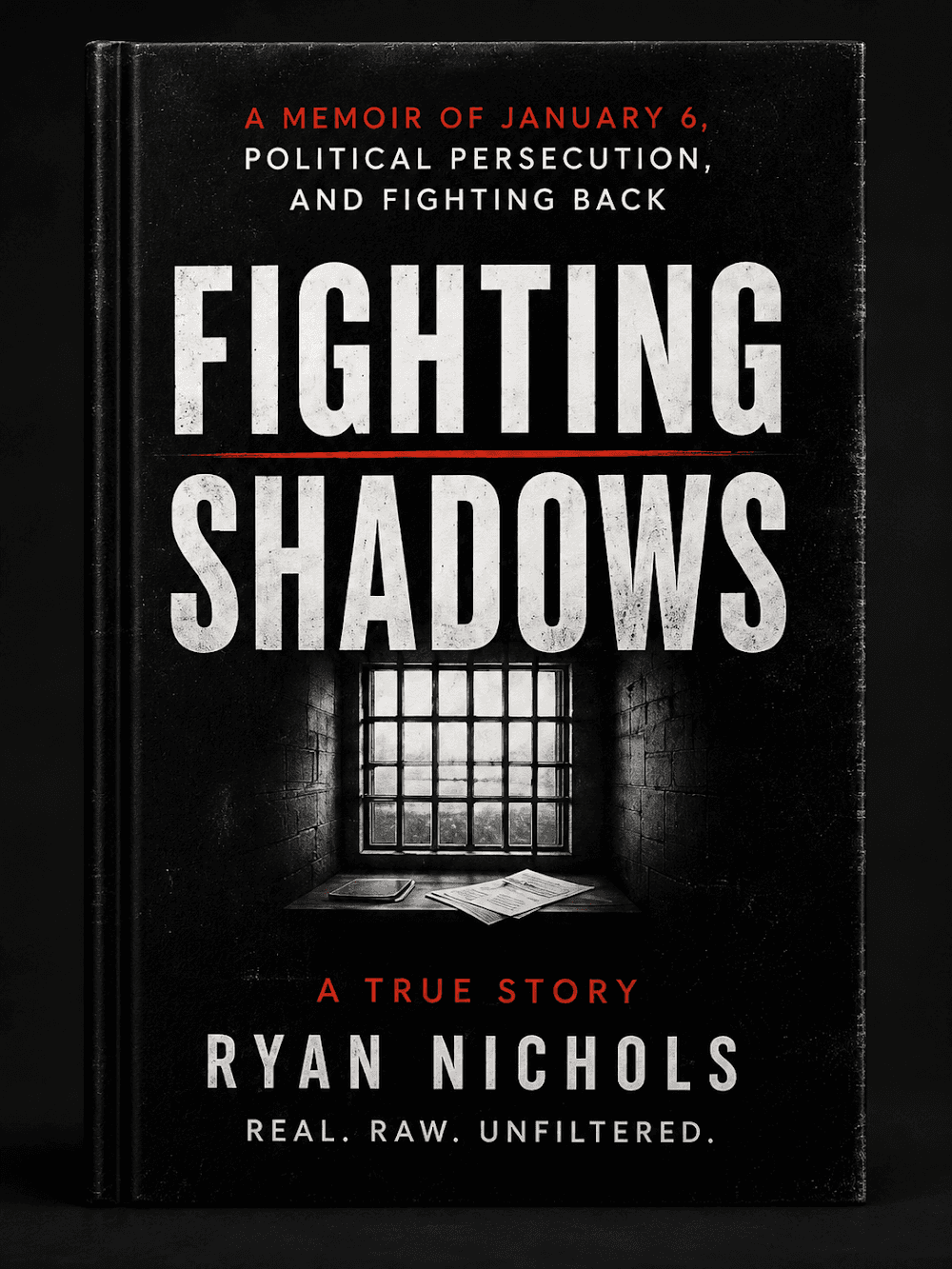
Follow the case
The record is still being written. Get one email when something new drops on it.
Hire Ryan
I built this site. Want one that brings your business real leads? Start with a free 30-minute call.See the services


Tap how this hits you — no signup, everyone sees the count
Share this post — get it back in front of people
Comments
Speak here
Create an account to comment.
This is where people can say what gets buried or cancelled elsewhere. Comments are signed-only, moderated, and tied to a real profile so the record stays usable.
No approved comments yet. Create an account and put the first opinion on the record.