
Make One Decision While Your Mind Is Still Quiet
By Ryan Nichols
- 14 total reach
- 0 reading now•0 active 24h
- 0 shares•0 inbound
- 0 comments

There is a small window in the morning before the day starts arguing with you.
The phone has not filled your head. Other people's emergencies have not reached the door. Your own fear has not built a closing argument for why the hard thing should wait.
That quiet is useful.
You do not have to solve your life in it. You only have to make one honest decision before the noise begins.
The day gets harder when every option stays open
An undecided morning feels flexible. It often becomes expensive.
You keep the call, the repair, the bill, the application, the walk, and the difficult conversation floating in the same mental room. Nothing is chosen. Everything keeps asking for attention.
Then the easiest task wins because it asks the least from you.
By noon, you have been busy. The necessary thing is still waiting.
This is not always laziness. Sometimes it is fear. Sometimes it is fatigue. Sometimes the next move has consequences, so leaving it undecided feels safer than finding out what happens.
But an open decision still charges rent.
It follows you into breakfast. It sits beside you in traffic. It makes simple work feel crowded.
Some Problems Only Shrink When You Touch Them makes that point plainly. The first contact does not finish the problem. It changes your relationship to it.
Reader poll
What usually steals your first clear hour?
Tap your answer to vote
One tap. Free and anonymous. No signup to vote.
Use the five-minute quiet decision
Before you check the feed, open the inbox, or begin reacting, take five minutes.
Minute one: Name what has weight
Write the thing that will keep pulling on you if you avoid it.
Do not write the whole category. Write the next visible action.
Not “fix my finances.”
Write “open the bill and write the amount due.”
Not “deal with the project.”
Write “send the missing question to the person who can answer it.”
Not “get healthy.”
Write “put on shoes and walk to the end of the block.”
Minute two: Separate necessary from dramatic
The loudest move is not always the necessary move.
You may want to write a long defense when the necessary move is a short apology. You may want to redesign the whole plan when the necessary move is confirming the appointment. You may want a breakthrough when the necessary move is taking the medicine, filling the tank, or asking for a deadline.
Ask one question:
“What action makes the next hour more honest?”
Minute three: Make the choice small enough to begin
Reduce the move until it can happen without another planning session.
- Find the phone number.
- Put the document on the table.
- Write the first two sentences.
- Set a ten-minute timer.
- Ask one person for one specific kind of help.
You Only Need Courage for the Next Ten Minutes is useful because courage usually arrives in smaller pieces than the problem.
Minute four: Remove one excuse
Prepare the first object the action needs.
If you need to leave, put the keys beside your shoes. If you need to call, open the contact. If you need to write, open the blank page and type the heading. If you need to apologize, write the person's name at the top of the message.
Preparation is not the same as action. It is still better than leaving the action buried.
Minute five: Put a time on it
Write a real start time.
Not “later.” Not “when things calm down.”
“At 7:15, I will make the call.”
That sentence turns a preference into an appointment.
Quiet does not mean easy
The right decision may still hurt.
You may know exactly what to do and still feel afraid. You may start the call with a shaking voice. You may open the number and realize the problem is bigger than you hoped.
Clarity does not promise comfort.
It gives you a direction that fear has to argue against instead of an empty room where fear can invent anything it wants.
Faith can live in that small space too. Not as a promise that the outcome will bend your way, but as enough trust to take the next honest step without seeing the entire road.
Not Yet Is Not the Same as Never reminds us that waiting and quitting are different. So are preparing and hiding. The point is not to shame yourself for every delay. The point is to know which one you are doing.
Give the morning one receipt
After you complete the move, record it in one line.
“Called at 7:16. Left a message. Next review is Monday.”
“Opened the bill. Amount is known. Payment plan request sent.”
“Walked ten minutes. Shoes are by the door for tomorrow.”
That line matters. It is proof that the day did not begin only in your head.
You do not need a perfect morning.
You need one honest decision, one prepared move, and one receipt that says you began.
What is the one necessary thing you can decide before the noise starts?
Reader poll
What will your quiet decision produce today?
Tap your answer to vote
One tap. Free and anonymous. No signup to vote.
Editorial visual disclosure: The header image is an original AI-assisted conceptual illustration. It does not depict Ryan Nichols, a real home, or a documented event.
You made it to the end
Most people quit at the headline. You didn’t.
So don’t stop here. Pick one.
Read the book
Fighting Shadows is the whole story in my own words: the road into January 6, the D.C. jail, and the fight to get the record out.See the book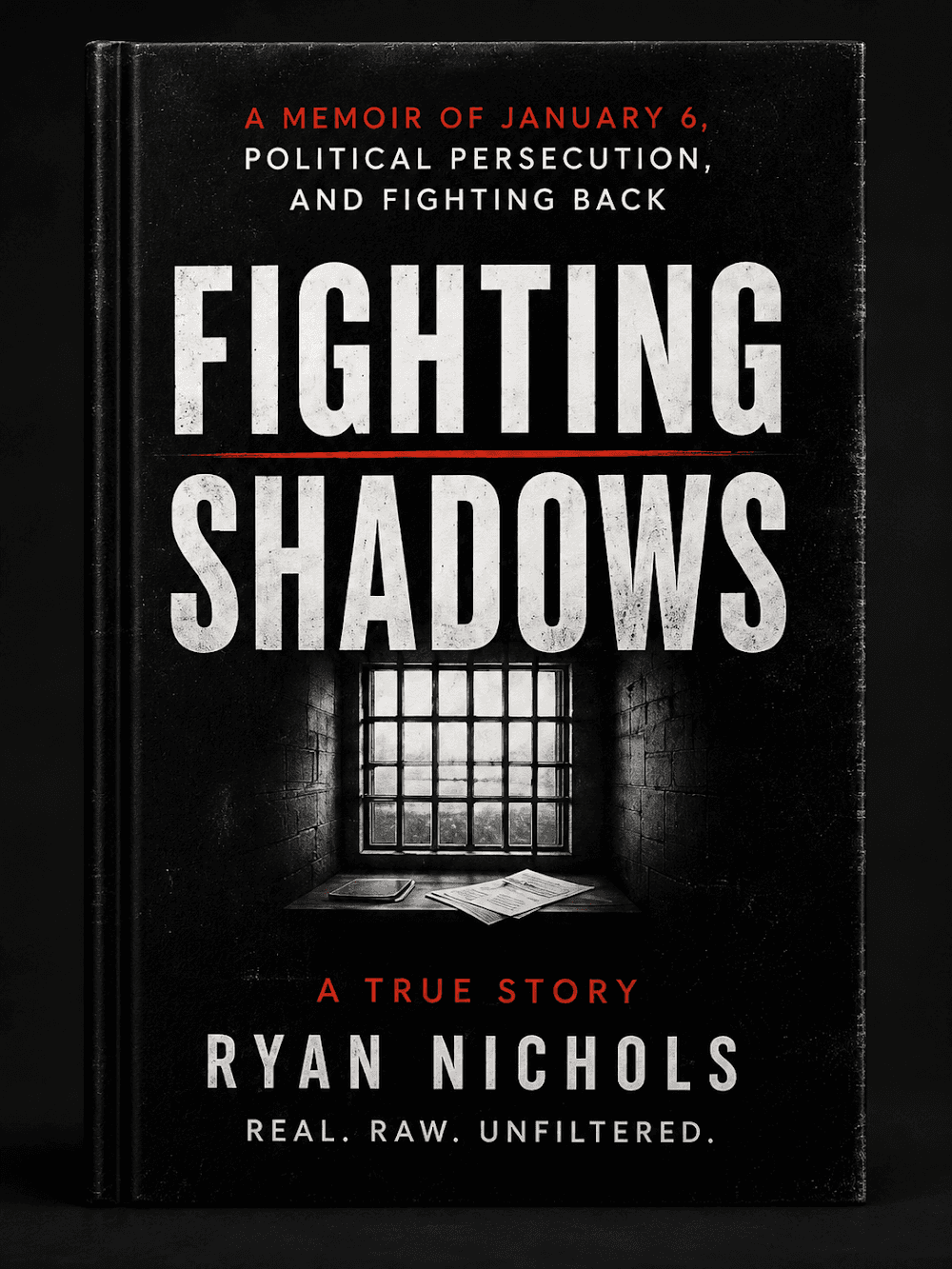
Follow the case
The record is still being written. Get one email when something new drops on it.
Hire Ryan
I built this site. Want one that brings your business real leads? Start with a free 30-minute call.See the services



Tap how this hits you — no signup, everyone sees the count
Share this post — get it back in front of people
Comments
Speak here
Create an account to comment.
This is where people can say what gets buried or cancelled elsewhere. Comments are signed-only, moderated, and tied to a real profile so the record stays usable.
No approved comments yet. Create an account and put the first opinion on the record.