
A Fan Screamed at Jalen Brunson. The NBA Launched an Investigation. That's How Accountability Is Supposed to Work.
NBA is investigating courtside fans who hurled profane remarks at Jalen Brunson in Game 1 of the 2026 Finals. Ryan Nichols on what accountability for harassment actually looks like.
By Ryan Nichols
- 388 total reach
- 0 reading now•0 active 24h
- 0 shares•0 inbound
- 0 comments
Late in Game 1 of the 2026 NBA Finals between the New York Knicks and San Antonio Spurs, Jalen Brunson approached referee Scott Foster.
A video clip went viral almost immediately. People assumed Brunson was confronting the official. That assumption was wrong.
Brunson wasn't angry at Foster. He was telling the veteran referee what two courtside fans had been saying to him for the last few minutes of a championship game: profane remarks about flopping, directed specifically at him, close enough to hear clearly.
He was asking the official to do something about it.
The NBA launched an investigation.
Sharing this is the biggest help. Put it in front of one more person.
What actually happened
The league confirmed it is looking into two San Antonio courtside fans who allegedly directed vulgar, profane remarks at Brunson during the fourth quarter of Game 1. Brunson scored 30 points in the Knicks' win and then, as the final horn sounded, walked toward Foster to make sure the situation was documented.
The viral clip — which was widely misread as a player-referee confrontation — was actually a player reporting fan misconduct to an official. Fox News, Heavy.com, and Yahoo Sports all covered the investigation.
ClutchPoints noted that Brunson "dodged" a question about the specific fan interaction in his post-game presser. He didn't want to make it bigger than it was. He reported it through the right channel. The channel is now working.
That matters.
This is what accountability infrastructure looks like
I spend a lot of time writing about what happens when accountability infrastructure does not work. When you report something and it stays up. When you flag something and the platform locks you instead of the person who threatened you. When you document a pattern and the institution shrugs.
So when a system actually responds — when a documented complaint triggers a real investigation with real consequences on the table — I want to call that out too.
The NBA has ejected fans from arenas before. Banning courtside season-ticket holders is not a symbolic gesture. It costs the franchise revenue. It costs the fans access they paid significant money to obtain. The consequence is real.
That's how it's supposed to work. Harassment should have a cost. The cost should fall on the harasser.
The "just words" argument doesn't hold
The common defense for this kind of fan behavior is that it's "just heckling." Sports fans talk trash. Always have. Part of the game.
Here's where I push back on that: "just heckling" has a threshold. General crowd noise, team chants, opponent taunts — that's atmosphere. Standing two feet from a player and directing profane personal remarks at him during a championship game is a different category.
The distance matters. The personal targeting matters. The platform matters.
If you can be heard individually — if you're not part of a crowd noise, you're directing specific language at a specific person from close range — that crosses a line. Most arenas have policies that say exactly this. The NBA's Fan Code of Conduct prohibits "conduct that is disruptive, offensive, or in violation of common standards of decency."
The fans allegedly crossed that line. The league is treating it that way.
The broader parallel — online and in person
There is a version of this that happens online every day.
Someone with a large audience turns their followers toward a specific person. That person gets targeted — directly, personally, in volume — with remarks that would be obviously unacceptable if said face-to-face. The platform's response is inconsistent at best.
The arena version of this — where physical proximity makes the harassment undeniable and the venue has a code of conduct — tends to produce a cleaner accountability outcome. The NBA can point to the Fan Code. It can pull tickets. It can name consequences.
Online platforms could do the same. They choose not to, or they do it inconsistently, or they take action against the person who documents the harassment instead of the person who committed it.
I'm not going to pretend those two situations are identical. They're not. But they share the same core question: when someone is targeted with personal, directed harassment — does the institution responsible for that space enforce its own standards?
In this case, the NBA appears to be doing exactly that. Watch what the investigation produces. Watch whether tickets get pulled.
If they do, that's proof the accountability mechanism works when someone with power chooses to use it.
What Brunson did right
He didn't escalate. He didn't respond to the fans directly. He reported through the official channel — literally, he went to the official — and let the institution handle it.
That is the right move.
It also required believing the institution would actually do something. Most of the time, when people don't report harassment, it's because they've already learned that reporting doesn't work. The report goes nowhere. The platform shrugs. The venue looks the other way. So they stop reporting.
Brunson reported. The league responded. The fans are now facing an investigation at the highest level of their sport.
That feedback loop — report, respond, consequence — is what makes reporting worth doing.
Drop your thoughts in the comments. Should the NBA ban the fans if the investigation confirms what Brunson reported? And do you think online platforms should be held to the same standard as arenas when it comes to directed personal harassment?
I want to hear from people who've been on the receiving end of this — online or in person. Share this piece if you think accountability for harassment should be consistent regardless of where it happens.
How does this hit you? Tap — no signup.
Sharing this is the biggest help. Put it in front of one more person.
You made it to the end
Most people quit at the headline. You didn’t.
So don’t stop here. Pick one.
Read the book
Fighting Shadows is the whole story in my own words: the road into January 6, the D.C. jail, and the fight to get the record out.See the book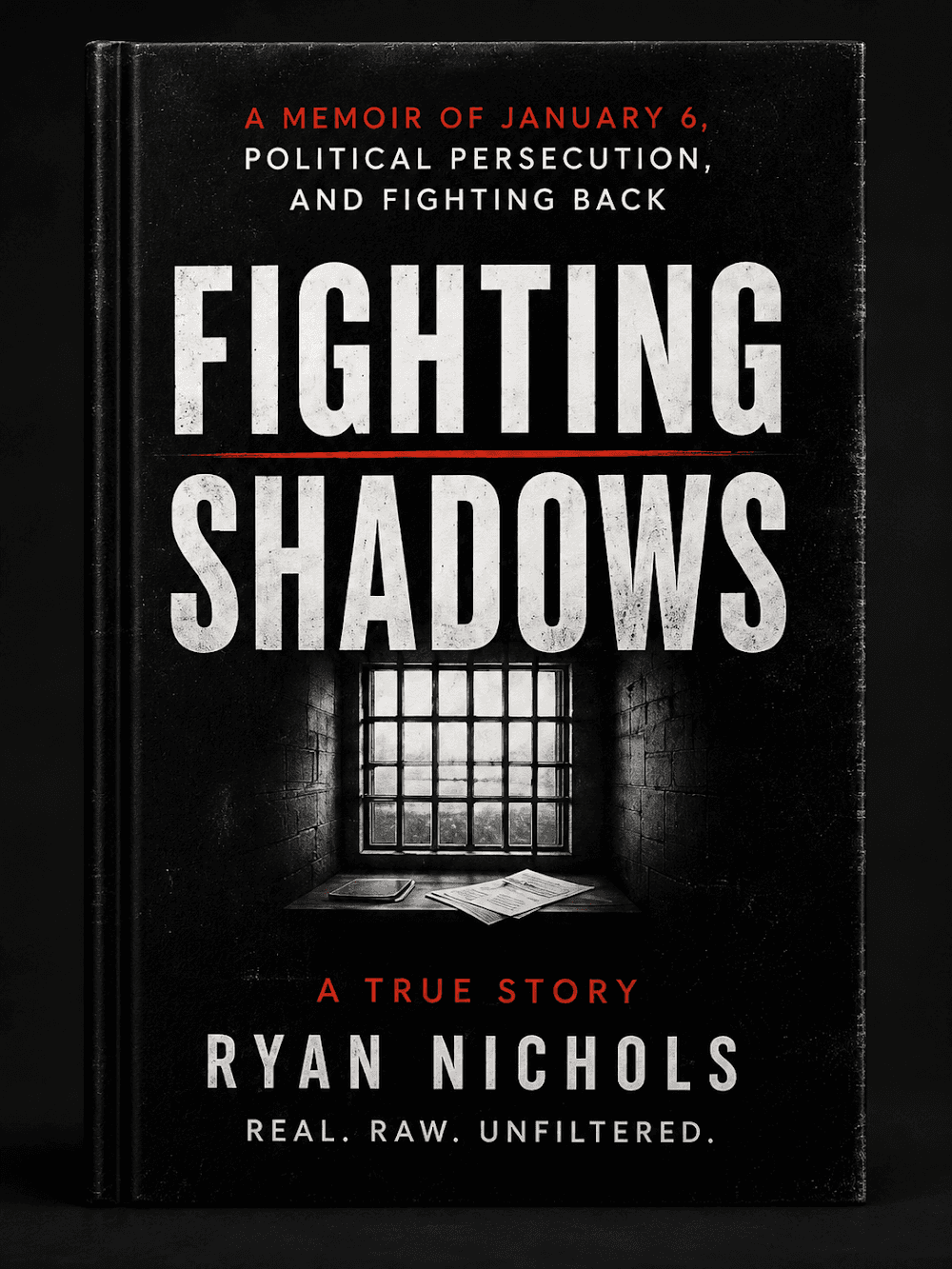
Follow the case
The record is still being written. Get one email when something new drops on it.
Hire Ryan
I built this site. Want one that brings your business real leads? Start with a free 30-minute call.See the services
Tap how this hits you — no signup, everyone sees the count
Share this post — get it back in front of people
Comments
Speak here
Create an account to comment.
This is where people can say what gets buried or cancelled elsewhere. Comments are signed-only, moderated, and tied to a real profile so the record stays usable.
No approved comments yet. Create an account and put the first opinion on the record.