
$15,000 cash for Ryan, $100,000 surety in a child-injury case: Harrison County should explain
Supplied jail records show different bond types. Ryan Nichols’s family asks Harrison County to explain the orders and account for earlier cash deposits.
By Published at Ryan’s request
- 70 total reach
- 1reading now•4 active 24h
- 0 shares•3 inbound
- 0 comments
October 17, 2026 • Public-records commentary
Two Harrison County jail-record screenshots supplied on October 17 show different bond arrangements. Ryan Nichols’s entry lists a $15,000 cash bond. An entry for Braxton Farris Cole lists a $100,000 surety bond in a child-injury case connected, according to a published report, to the death of a five-month-old infant.
That contrast warrants a clear question: What individualized reasons explain the bond type selected in each case?
A larger dollar figure and a different bond type are separate facts. The comparison deserves scrutiny, but these screenshots alone do not prove unlawful favoritism or establish that the defendants have the same circumstances.
What the records supplied actually show
| Record supplied | Booking date listed | Charge label displayed | Bond shown | Issuing authority displayed |
|---|---|---|---|---|
| Ryan Nichols | October 16, 2026 | BR/DEADLY CONDUCT | $15,000 — Cash Bond | JP OSWALT |
| Braxton Farris Cole | September 4, 2026 | INJURY CHILD/ELDERLY/DISABLE W/INT SBI/MENTAL | $100,000 — Surety Bond | 71ST DISTRICT COURT |
These are transcriptions of relevant fields from user-supplied jail-record screenshots. Their full capture dates and any later bond changes have not been independently established. The issuing-authority fields differ; this is not presented as two decisions by the same judge. A jail entry labeled Cash Bond does not, by itself, establish that a signed order forbids surety. The underlying order is needed to determine whether a cash-only restriction exists. A blank release field is not proof of either person’s current release status.
The Ryan entry is a jail charge label, not the underlying revocation order or a full description of the conduct alleged. The screenshot does not establish why the bond was revoked or what hearing was held.
The Cole entry does not list a murder conviction. KLTV’s September 13 report, attributing its account to the Harrison County Sheriff’s Office, describes an injury-to-a-child charge following investigation of the infant’s death. The report says the investigation was ongoing. An arrest or charge is not a finding of guilt.
Cash and surety are different arrangements
A cash bond involves depositing the bond amount with the court’s funds custodian. A surety arrangement involves an undertaking by approved sureties; it does not mean a free release, and its fees and collateral are not shown here. Texas Code of Criminal Procedure, Article 17.02.
The fair question is not whether a $100,000 figure is smaller than $15,000. It is why the records carry different bond-type labels—and what the underlying orders require and the findings support. Texas law calls for individualized bail consideration. The underlying orders, conditions, procedural histories and findings matter. Article 17.028.
Harrison County should identify the releasable orders and explain its decisions in terms that people can follow. The amount and type should not be the only parts of the process visible to a family trying to understand detention.
Amanda also reports earlier bond money has not been returned
Amanda says Ryan’s earlier jail matters also required cash bonds. She says she has been seeking the return of money from earlier bond revocations since the summer and has not received it. She reports that the approval needed to release the funds has not been signed.
Amanda says a bail bondsman told her the earlier bond was null and void after revocation and that the money was owed to her as soon as the bond was revoked. She says she has been relying on that explanation while trying to recover the funds. This article has not reviewed a written opinion from that bondsman or a court order establishing that conclusion.
Those are her statements. The earlier receipts, amounts, case numbers, refund requests and relevant orders have not yet been supplied for this article. The available screenshots do not establish the history of every earlier bond or prove that a refund was already ordered.
The county should answer a concrete accounting question: Where is each deposit, and what specific order or legal ground controls whether it is returned?
Revocation is not itself a refund order
Article 17.02 provides for a court-ordered cash refund, subject to its conditions and an applicable administrative fee. It identifies the receipt holder as a potential recipient. A revoked bond is not automatically a refund order. Article 17.02.
Bond revocation, discharge from future liability, forfeiture and refund are distinct issues. Where forfeiture is involved, Chapter 22 supplies additional procedures, including remittitur under stated conditions. Which procedure applies depends on the actual case record. Articles 22.16–22.17.
That distinction does not excuse an unexplained delay. It makes the demand for documents more precise.
Put the decision—and the money—on the record
For each deposit, the family needs the receipt, amount, receipt holder, case number, date of payment, current accounting balance and written disposition. If a request is pending, identify who has it and what action remains. If a refund is denied or money is retained, identify the order and reason. If an authorized refund is due, process it and document the payment.
For Ryan’s current detention, identify the bond order, alleged violation, supporting findings and available court review. For the comparison, identify the relevant surety order and individualized basis, subject to lawful redactions.
Families should not have to guess where their money went or why different forms of bond were selected. Show the orders. Show the accounting. Make the record clear.
This article separates supplied records, family statements and unanswered questions. It does not establish guilt, unlawful favoritism or a case-specific refund entitlement. Private addresses, birth dates and other personal identifiers from the screenshots are omitted.
Published at Ryan’s request.
You made it to the end
Most people quit at the headline. You didn’t.
So don’t stop here. Pick one.
Read the book
Fighting Shadows is the whole story in my own words: the road into January 6, the D.C. jail, and the fight to get the record out.See the book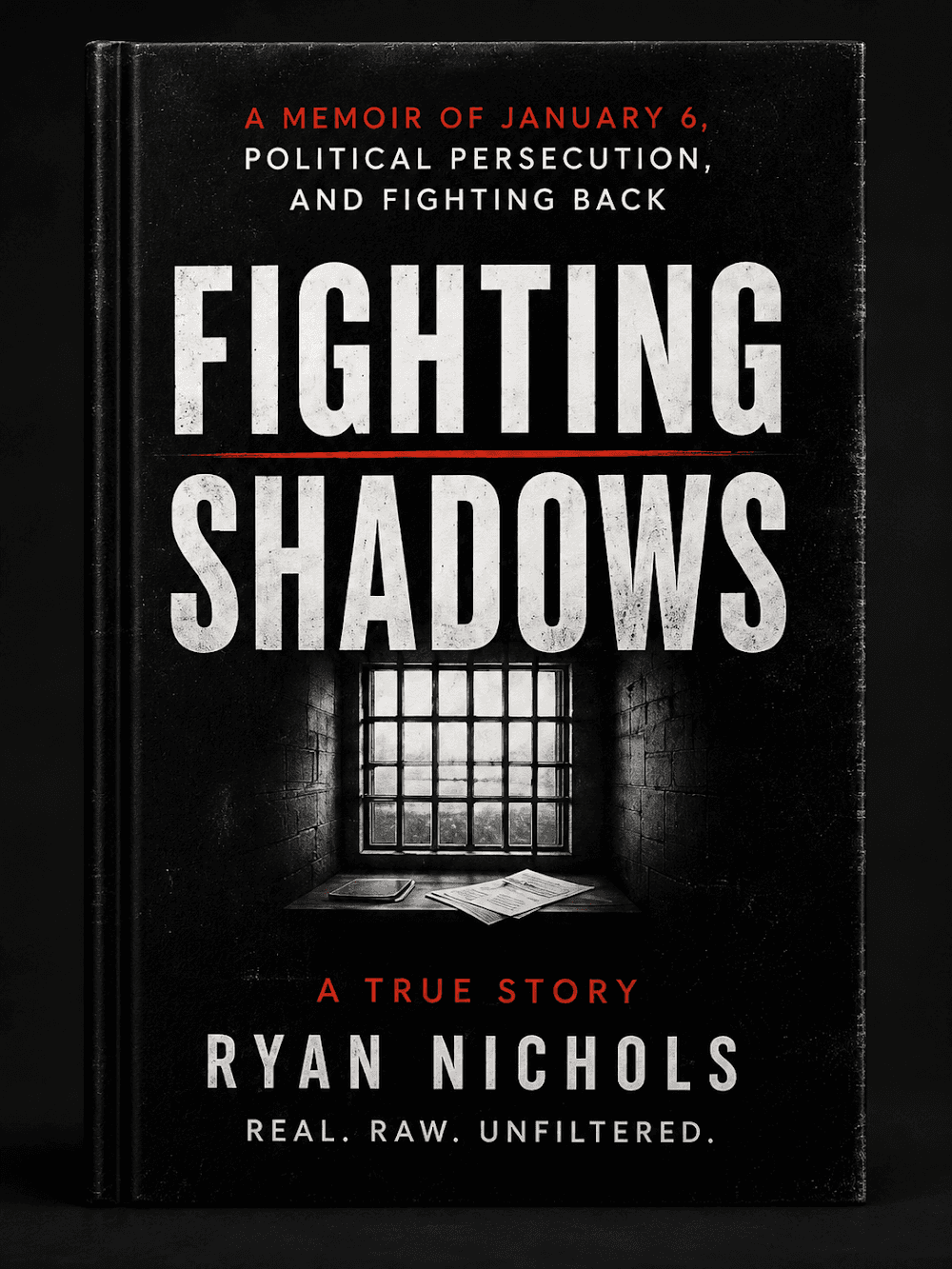
Follow the case
The record is still being written. Get one email when something new drops on it.
Hire Ryan
I built this site. Want one that brings your business real leads? Start with a free 30-minute call.See the services


Tap how this hits you — no signup, everyone sees the count
Share this post — get it back in front of people
Comments
Speak here
Create an account to comment.
This is where people can say what gets buried or cancelled elsewhere. Comments are signed-only, moderated, and tied to a real profile so the record stays usable.
No approved comments yet. Create an account and put the first opinion on the record.