
Day One Bill for Disabled Veterans. Read It First.
HB 106, filed on day one of Texas bill filing, would let disabled veterans who hold property in a qualifying trust keep their tax exemption. Read it.
By Ryan Nichols
- 8 total reach
- 0 reading now•0 active 24h
- 0 shares•0 inbound
- 0 comments
Bill filing opened this morning in Austin.
One of the first six House bills is about disabled veterans.
It is short. It is narrow. And it is worth reading before anybody cheers.
Plain English summary
House Bill 106 was filed today, November 9, 2026, by Rep. Terri Leo Wilson of House District 23. It deals with the disabled veteran property tax exemption in Section 11.22 of the Texas Tax Code.
Here is what it does. Many families put their home or land into a living trust so it passes cleanly when they die. HB 106 says that if a disabled veteran, or a surviving spouse or child who qualifies, owns property through a beneficial interest in a "qualifying trust," that counts as owning it for this exemption.
The bill would take effect January 1, 2028. It would only apply to tax years that start on or after that date.
That is the whole bill. Four sections.
Why it matters
Section 11.22 is the partial exemption for disabled veterans. It takes a set dollar amount off the assessed value of one property, based on the disability rating:
- 10 to 29 percent: $5,000
- 30 to 49 percent: $7,500
- 50 to 69 percent: $10,000
- 70 percent and up: $12,000
It also covers surviving spouses and minor children of disabled veterans, and the surviving spouse and children of a service member who dies on active duty.
Veterans plan ahead. A lot of them set up a trust so their spouse is not stuck in probate. They should not lose a tax break they earned because they did the responsible thing with their paperwork.
That is the problem this bill is aimed at. Whether that problem is common in practice is a different question, and I will get to it.
The receipt
- FACT: HB 106, 90th Legislature, Regular Session, author Leo Wilson, filed 11/09/2026. Texas Legislature Online, HB 106 history
- FACT: The bill text adds Subsection (d-1) to Tax Code 11.22 ("owns the property directly or through a beneficial interest in a qualifying trust"), defines "qualifying trust," and takes effect January 1, 2028. HB 106 introduced text
- FACT: Current Tax Code 11.22 sets the $5,000 to $12,000 schedule above. Tax Code Chapter 11
- FACT: Tax Code 11.13(j) already defines a residence homestead as one owned "directly or through a beneficial interest in a qualifying trust." HB 106 borrows that same idea for 11.22. Tax Code Chapter 11
- FACT: As of 8:18 AM Central this morning, six House bills and zero Senate bills were on file for the 90th Legislature. Filed House Bills report
- FACT: Rep. Leo Wilson represents House District 23, with a district office in Galveston. Texas House member page
What Ryan says
RYAN STATEMENT: I am a Marine. I know a lot of men and women in East Texas who came home with a rating and a stack of paperwork. They did not ask for a handout. They earned this.
When the homestead law already says a qualifying trust counts as ownership, the disabled veteran exemption should say the same thing. Same family. Same house. Same trust. It should not be one rule for the homestead and a different rule for the veteran.
But I want to see the numbers. How many veterans in Gregg, Harrison, Upshur, Smith and Marion counties have been turned down on 11.22 because their property sits in a trust? If the answer is zero, this is cleanup. If the answer is hundreds, this is a real fix and it should not wait until 2028.
And the bigger question is still sitting there. Those dollar amounts, $5,000 to $12,000, are small next to what East Texas homes are appraised at now. Fixing who counts as an owner is good. It does not touch how much the exemption is worth.
Show me the denials. Show me the count. Then let us talk about the amounts.
What this does not prove
- DOCUMENTED INFERENCE: A bill like this suggests some appraisal districts have treated trust-held property differently under 11.22. I have not seen a single denial letter or a count. That part NEEDS AUTHENTICATION.
- It does not prove the bill will get a hearing, a vote, or a signature. Filing is step one of many.
- It does not prove anything about the author's motives or who asked for it.
- It does not change the 100 percent disabled veteran homestead exemption in Section 11.131. That is a different section.
What it does prove
On day one of filing, one of the first six House bills filed is about disabled veterans and their families. The text is public. The current law is public. Anyone can read both side by side in ten minutes.
That is how this should work. The bill goes up. The people read it. Then we ask the hard questions before it moves, not after.
The bottom line
HB 106 is a narrow, sensible-looking fix. It lines up the disabled veteran exemption with how the homestead law already treats trusts.
Good. Now show me how many veterans it actually helps. And then let us talk about whether $12,000 off a house in 2028 still means what it meant when that number was set.
The record is public. Read it.
Do not threaten anyone. Do not harass anyone. Do not contact anyone in my name. Read it. Share it. Send receipts, evidence, witnesses. Put eyes on the record.
You made it to the end
Most people quit at the headline. You didn’t.
So don’t stop here. Pick one.
Read the book
Fighting Shadows is the whole story in my own words: the road into January 6, the D.C. jail, and the fight to get the record out.See the book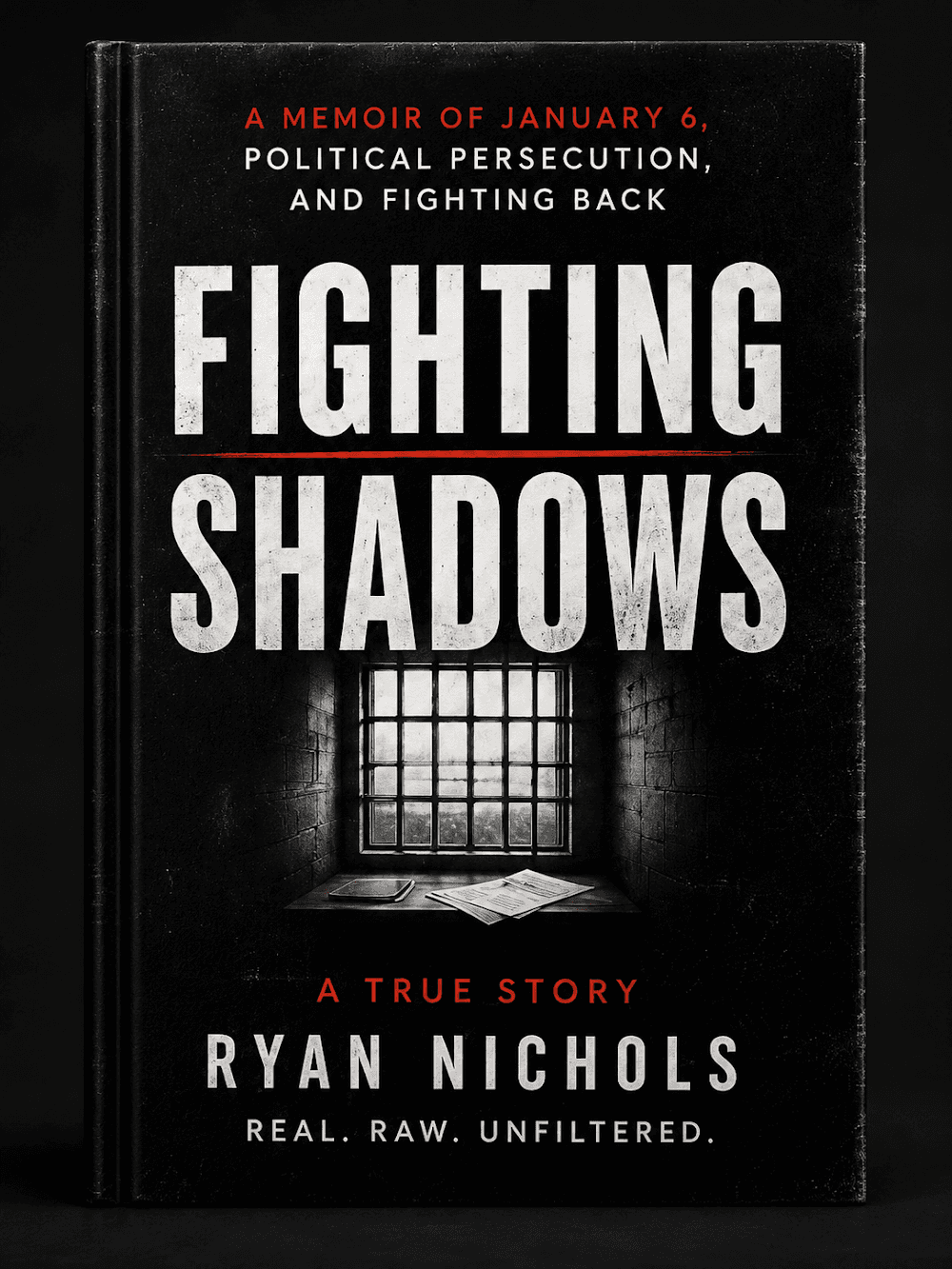
Follow the case
The record is still being written. Get one email when something new drops on it.
Hire Ryan
I built this site. Want one that brings your business real leads? Start with a free 30-minute call.See the services

Tap how this hits you. No signup, everyone sees the count
8
Views
0
Likes
0
Comments
0
Shares
Share it. Every share puts more eyes on the record.
Comments
Speak here
Create an account to comment.
This is where people can say what gets buried or cancelled elsewhere. Comments are signed-only, moderated, and tied to a real profile so the record stays usable.
No approved comments yet. Create an account and put the first opinion on the record.