
Rest Needs a Return Time
Rest without a return plan can become avoidance. Use this honest 15-minute reset to stop responsibly, name what remains, and choose when you will return.
By Ryan Nichols
- 139 total reach
- 0 reading now•0 active 24h
- 0 shares•0 inbound
- 0 comments

You are allowed to stop.
You are not required to become useless before you earn a chair, a quiet room, a slow meal, or one night without dragging the whole week into bed with you.
But honest rest has a shape.
It is not pretending the bill disappeared because you closed the envelope. It is not leaving somebody else to absorb a responsibility you agreed to carry. It is not scrolling until your body is still but your mind is louder than when you started.
Rest is a deliberate pause that helps you come back able to do the next necessary thing.
Exhaustion makes everything look final
When you are tired, a difficult task can start to look permanent. One unanswered message feels like a ruined relationship. One late project feels like proof that you cannot finish anything. One hard season starts speaking as if it gets to name your whole life.
That is a bad time to make a sweeping judgment.
Your tired mind may be reporting real pain. Listen to it. It may also be turning temporary strain into a final verdict. Do not ask an exhausted version of you to predict the rest of your story.
The answer is not always to push harder. Sometimes the responsible move is to stop before sloppy work, sharp words, or avoidable mistakes make tomorrow heavier.
A Bad Start Does Not Own the Rest of Your Day is useful when fatigue has already spilled into the morning. The goal is not perfection. It is a clean restart.
Rest and avoidance feel different afterward
Both can look like doing nothing. The difference shows up when the pause ends.
Rest usually leaves you steadier, clearer, or at least less frayed. Avoidance often leaves the original problem untouched and adds a second problem: shame about the time you lost.
Ask three questions before you disappear into a break:
- What am I recovering from? Name the strain. Physical work, decision fatigue, grief, conflict, poor sleep, and constant interruption are not the same problem.
- What would actually restore me? Silence may help one person. A walk, food, prayer, sleep, a phone call, or an hour without decisions may help another.
- What still needs protection while I stop? A child still needs pickup. A customer may need a truthful update. Medicine may need to be taken. A door may need to be locked.
If you cannot name what the pause is for, there is a good chance the pause will not know when it is finished.
Use the 15-minute responsible-rest plan
Take five minutes to make a short protection list. Write only what cannot safely wait. Handle it, hand it to a named person who agrees to carry it, or set a reliable reminder.
Take five minutes to choose the rest that matches the strain. If your body is spent, a new television series may not help as much as sleep. If your mind is crowded, silence may do more than more input. If isolation is the problem, call somebody safe instead of withdrawing deeper.
Take five minutes to choose a return point.
Write it plainly:
I am stopping now. I will return to this at ______. My first step will be ______.
Make the first step small enough that tomorrow's tired version of you can understand it. “Fix everything” is not a return point. “Open the estimate and verify the three missing prices at 9:00 a.m.” is.
You are not trying to control the whole future. You are leaving a lit path back to the work.
Do not borrow guilt from the pause
Some people ruin rest by putting it on trial every ten minutes.
They sit down, then mentally prosecute themselves for sitting. They take a day off, then spend the day rehearsing everything they are not doing. The body stops, but the nervous system stays at work.
If the necessary things are protected and a return time exists, let the pause be a pause.
You do not need to apologize for being human. You do need to keep the promise you made about returning.
Keep One Small Promise Before You Make Another explains why the return point matters. A small promise kept rebuilds trust faster than a dramatic promise made while emotional.
Come back without a speech
When the return time arrives, do not wait for motivation to approve it.
Stand up. Open the file. Put on the shoes. Make the call. Do the first named step.
You may still feel tired. You may need more help than you expected. The plan may need to change. That is information, not failure.
Confidence Can Arrive After You Start is the next read if you are waiting to feel ready before returning.
Rest is not surrender when it helps you come back honest.
Stop on purpose. Protect what matters. Name the time. Then return without punishing yourself for needing the pause.
Sharing this is the biggest help. Put it in front of one more person.
Editorial visual disclosure: The header image is an original AI-assisted conceptual illustration. It does not depict a real person, document, or event.
You made it to the end
Most people quit at the headline. You didn’t.
So don’t stop here. Pick one.
Read the book
Fighting Shadows is the whole story in my own words: the road into January 6, the D.C. jail, and the fight to get the record out.See the book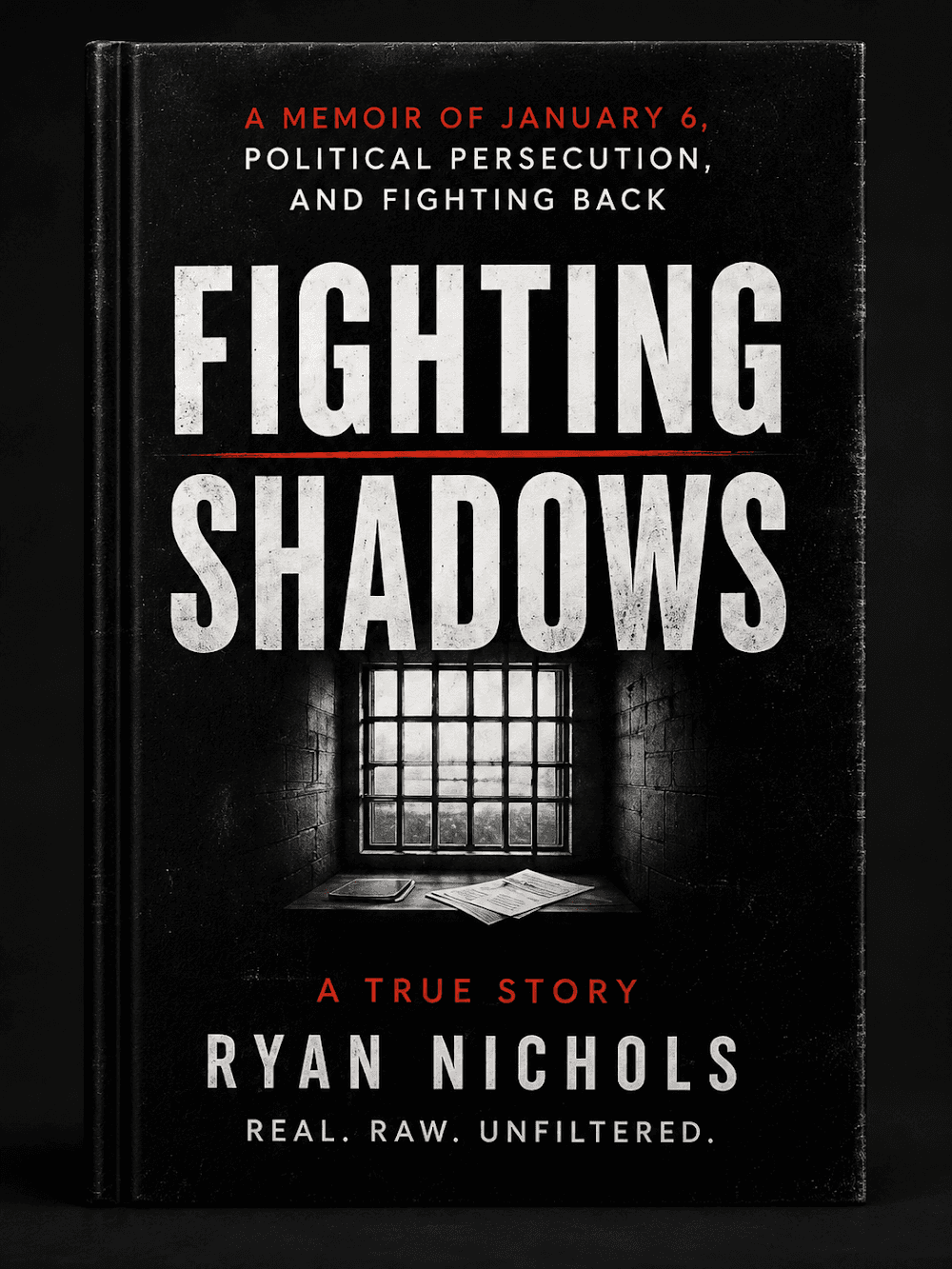
Follow the case
The record is still being written. Get one email when something new drops on it.
Hire Ryan
I built this site. Want one that brings your business real leads? Start with a free 30-minute call.See the services


Tap how this hits you — no signup, everyone sees the count
Share this post — get it back in front of people
Comments
Speak here
Create an account to comment.
This is where people can say what gets buried or cancelled elsewhere. Comments are signed-only, moderated, and tied to a real profile so the record stays usable.
No approved comments yet. Create an account and put the first opinion on the record.