
Give the Hard Task a Start Time
A hard task does not need a bigger speech. Use this 20 minute start-time drill to reduce uncertainty, begin cleanly, and leave a visible next step.
By Ryan Nichols
- 189 total reach
- 0 reading now•0 active 24h
- 0 shares•0 inbound
- 0 comments
By Ryan Nichols
The hard task has probably heard enough speeches.
You have explained why it matters. You have pictured the relief of finishing it. You may have promised yourself that tomorrow will be different.
Then tomorrow arrives with the same uncertainty.
Where do I begin? How long will this take? What if the first attempt is bad? What if opening the file proves how far behind I am?
The task grows while you negotiate with it.
Do not give it another speech today.
Give it a start time.
Reader poll
What keeps your hardest task closed?
Tap your answer to vote
One tap. Free and anonymous. No signup to vote.
A start time turns dread into an appointment
“I need to work on it” is not a plan.
It leaves the task floating over the whole day. Every hour feels guilty because every hour might have been the hour you finally began.
A start time creates a boundary.
At 9:20, open the statement.
At 1:10, write the first paragraph.
At 4:30, make the call.
The time does not promise that you will finish. It tells your mind when the argument ends and the work begins.
This is one reason Protect the First Hour Before the World Claims It works. A protected appointment is harder for noise to steal than a vague intention.
Make the first move almost too specific
“Work on the proposal” is too large.
“Open the proposal, read the last two paragraphs, and write the next heading” is a start.
“Fix my finances” is too large.
“Open the account, write the balance, and identify the next due date” is a start.
“Get the house under control” is too large.
“Clear the kitchen table and fill one trash bag” is a start.
The first move should be visible. Another person should be able to watch you do it and know when it is complete.
That does not make the larger problem small. It makes the entrance visible.
The 20 minute start-time drill
Choose one task that has been taking up more mental space than working time.
Then use this short drill.
Minutes 1 through 3: Name the deliverable
Finish this sentence:
When this work is done, there will be a ______.
A sent email. A completed application. A paid balance. A first draft. A scheduled appointment. A clean floor. A list of three numbers.
If you cannot name what exists at the end, the task is still fog.
Minutes 4 through 6: Choose the first physical action
Do not write “think about it.”
Write the action your hands will perform.
Open the folder. Dial the number. Put the documents on the table. Create the blank page. Find the invoice.
If the first action takes longer than two minutes, make it smaller.
Minutes 7 through 9: Put the start on the clock
Choose a real time within the next twenty-four hours.
Do not use “after lunch,” “when things slow down,” or “later tonight.” Those phrases allow the appointment to move without admitting that it moved.
Write the exact time and place.
Minutes 10 through 20: Build the runway
Remove one obstacle before the appointment arrives.
Charge the device. Put the number beside the phone. Close the extra tabs. Place the documents together. Open the correct file. Set a timer.
Remove Friction Before You Add More Pressure explains the larger principle. A smaller obstacle can create more movement than a harsher demand.
Reader poll
What would make starting easier?
Tap your answer to vote
One tap. Free and anonymous. No signup to vote.
Stop demanding that the first session finish everything
Sometimes you avoid beginning because the first session has been assigned an impossible job.
You expect it to produce clarity, momentum, quality, relief, and a finished result.
That is too much pressure for the first twenty minutes.
The first session has one job: make the second session easier.
Leave a heading. Write a question. Mark the missing number. Save the contact. Put the next tool on the table.
That is the practical heart of Make the First Version Before You Judge It. A rough beginning gives you something real to improve. An unopened task only gives you another day of guessing.
Keep the appointment even if your mood does not arrive
Motivation is welcome, but it is not required to attend.
At the start time, perform the first physical action. Stay with the task for ten honest minutes.
If ten minutes exposes a real barrier, write the barrier and the next required move. That is useful information.
If ten minutes creates momentum, continue.
If ten minutes is all you can responsibly give, leave the runway for the next session and schedule it before you close the work.
The win is not pretending the task became easy.
The win is that it stopped being untouched.
Put one hard thing on the clock
Pick the task.
Name what done will create.
Choose the first action.
Write the start time.
Build the runway.
Then show up without another speech.
What hard task will you put on the clock today, and what exact action will you take first?
Reader poll
What will you schedule now?
Tap your answer to vote
One tap. Free and anonymous. No signup to vote.
Sharing this is the biggest help. Put it in front of one more person.
OG artwork disclosure: The social image is an original synthetic editorial illustration. It does not depict Ryan, his property, or a real personal event.
You made it to the end
Most people quit at the headline. You didn’t.
So don’t stop here. Pick one.
Read the book
Fighting Shadows is the whole story in my own words: the road into January 6, the D.C. jail, and the fight to get the record out.See the book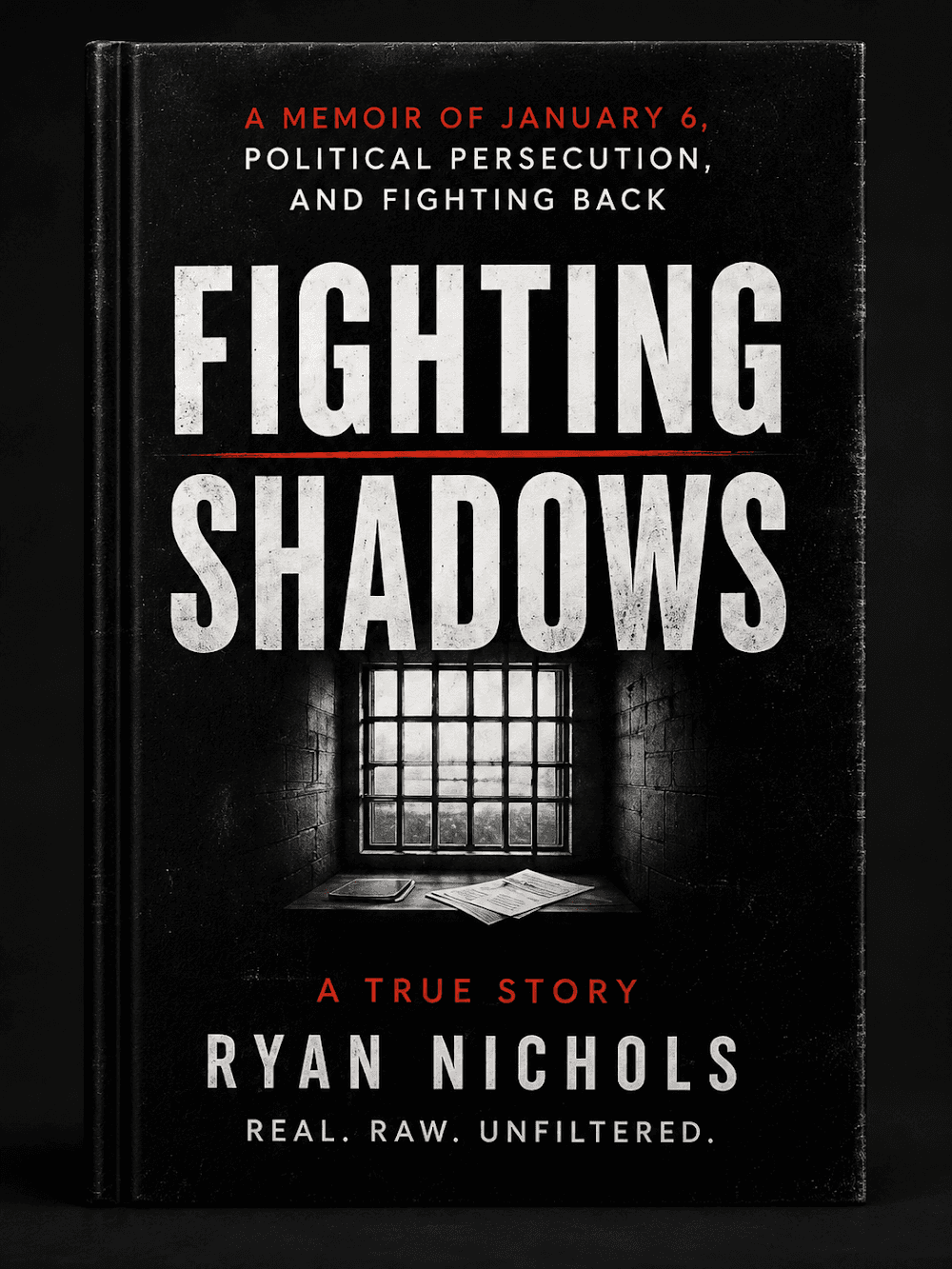
Follow the case
The record is still being written. Get one email when something new drops on it.
Hire Ryan
I built this site. Want one that brings your business real leads? Start with a free 30-minute call.See the services



Tap how this hits you — no signup, everyone sees the count
Share this post — get it back in front of people
Comments
Speak here
Create an account to comment.
This is where people can say what gets buried or cancelled elsewhere. Comments are signed-only, moderated, and tied to a real profile so the record stays usable.
No approved comments yet. Create an account and put the first opinion on the record.