
Close One Loop Before You Open Another
Unfinished work keeps charging interest in your head. Use this 20-minute drill to finish, schedule, hand off, or honestly cancel one open task today.
By Ryan Nichols
- 176 total reach
- 0 reading now•0 active 24h
- 0 shares•0 inbound
- 0 comments
By Ryan Nichols
You can have a full day and still feel like nothing is finished.
You answered messages. You started the proposal. You looked at the bill. You opened the form. You made notes for the call. You moved six things forward three inches.
Then you went to bed carrying every one of them.
Unfinished work has a way of staying loud. It follows you out of the office. It sits beside you at dinner. It shows up at 2 a.m. and asks whether you forgot something.
Sometimes the answer is yes.
The hard truth is that opening another task can feel productive when it is really an escape from deciding what happens to the tasks already open.
You do not need to finish everything today. You do need to close one loop.
Reader poll
What creates the most unfinished work for you?
Tap your answer to vote
One tap. Free and anonymous. No signup to vote.
An open loop is an undecided promise
An unfinished task is not always a problem.
A book takes time. A business takes years. A repair may depend on a part that has not arrived. Some work is supposed to remain open.
The pressure comes from work with no honest status.
Is it active? Is it waiting? Is it canceled? Does another person own the next move? Is there a real date, or is "later" doing all the work?
When none of those questions has an answer, your mind keeps checking the task because it does not trust the system around it.
That is why a ten-minute job can consume three days of attention. The labor is small. The uncertainty is expensive.
If the day already broke around you, start with The Plan Can Break Without You Being Broken. Rebuilding the plan comes before pretending the original plan still exists.
Stop calling "almost" finished
Almost sent is not sent.
Almost scheduled is not scheduled.
Almost backed up is not backed up.
Almost paid is not paid.
Almost asked is not asked.
This is not a demand for perfection. It is a demand for accurate language.
When you call something finished before the last responsible step, you create a trap. The task disappears from the front of your mind without actually becoming safe. Then the deadline arrives, the customer follows up, the file vanishes, or the person you meant to contact assumes you never cared.
The last five percent often carries most of the consequence.
Name it. "The proposal is written, but it is not sent." "The appointment is chosen, but it is not confirmed." "The backup exists, but it has not been tested."
Now the next move is visible.
Use the 20-minute loop-closing drill
Set a timer for twenty minutes. Pick one open task that has been occupying more attention than its size deserves.
Minutes 1 through 4: Write the actual status
Use one sentence. No excuses and no insults.
"The form is complete except for the signature."
"I am waiting for the price before I can approve the order."
"I have avoided telling them that Friday is no longer realistic."
Minutes 5 through 8: Choose one of four doors
Every open loop needs one of four decisions:
- Finish it. The remaining step fits inside the time you have.
- Schedule it. Put the next action on a real date and time.
- Hand it off. Name the person, send the request, and define what comes back.
- Cancel it. Admit that it no longer deserves time or trust.
"Keep worrying about it" is not a fifth door.
Minutes 9 through 15: Do the closing action
Send the file. Sign the form. Put the appointment on the calendar. Ask the clear question. Write the cancellation message. Move the task out of your head and into reality.
If you need another person, use Ask for the Help You Can Actually Name. A handoff is only real when the request is specific enough to answer.
Minutes 16 through 20: Leave a receipt
Write down what happened and what happens next.
- Sent at 9:42 a.m. Waiting for a reply by Tuesday.
- Appointment confirmed for Thursday at 2 p.m.
- Canceled after deciding the return did not justify the work.
- Assigned to Jordan. I review the result Friday morning.
The receipt keeps you from reopening the same decision tomorrow.
Reader poll
Which door does your open task need?
Tap your answer to vote
One tap. Free and anonymous. No signup to vote.
Canceling can be responsible
Some tasks stay open because you are afraid that canceling them means you failed.
Maybe the idea was good six months ago. Maybe the numbers changed. Maybe the project belonged to a version of your life that no longer exists. Maybe you said yes before you understood the cost.
Keeping a dead commitment on the list does not bring it back to life. It only steals attention from the promises that still matter.
Responsible cancellation has three parts:
- Tell the truth quickly.
- Protect anyone affected by the change.
- Record the lesson before moving on.
That is different from disappearing. Silence leaves the loop open for everybody else.
Do not turn loop-closing into another giant system
You do not need a new app, a color-coded dashboard, or a Sunday afternoon spent reorganizing every list you own.
Close one loop.
Then close another when you can.
The goal is not to become a machine that never leaves work unfinished. The goal is to stop allowing avoidable uncertainty to occupy the same mental space as the people and work you care about.
Keep the Small Promise After the Feeling Leaves is useful here. A small completed promise builds more trust than a dramatic new beginning with no ending.
The next honest finish
Look at the thing that keeps returning to your mind.
Do not ask whether you can solve the whole category today. Ask what would make this one task honest.
Finished.
Scheduled.
Handed off.
Canceled.
Choose the door. Take the closing action. Leave the receipt.
Then, and only then, open the next thing.
Reader poll
What will you close in the next 20 minutes?
Tap your answer to vote
One tap. Free and anonymous. No signup to vote.
Sharing this is the biggest help. Put it in front of one more person.
OG artwork disclosure: The social image is an original synthetic editorial illustration. It does not depict Ryan's desk, documents, belongings, or a real personal event.
You made it to the end
Most people quit at the headline. You didn’t.
So don’t stop here. Pick one.
Read the book
Fighting Shadows is the whole story in my own words: the road into January 6, the D.C. jail, and the fight to get the record out.See the book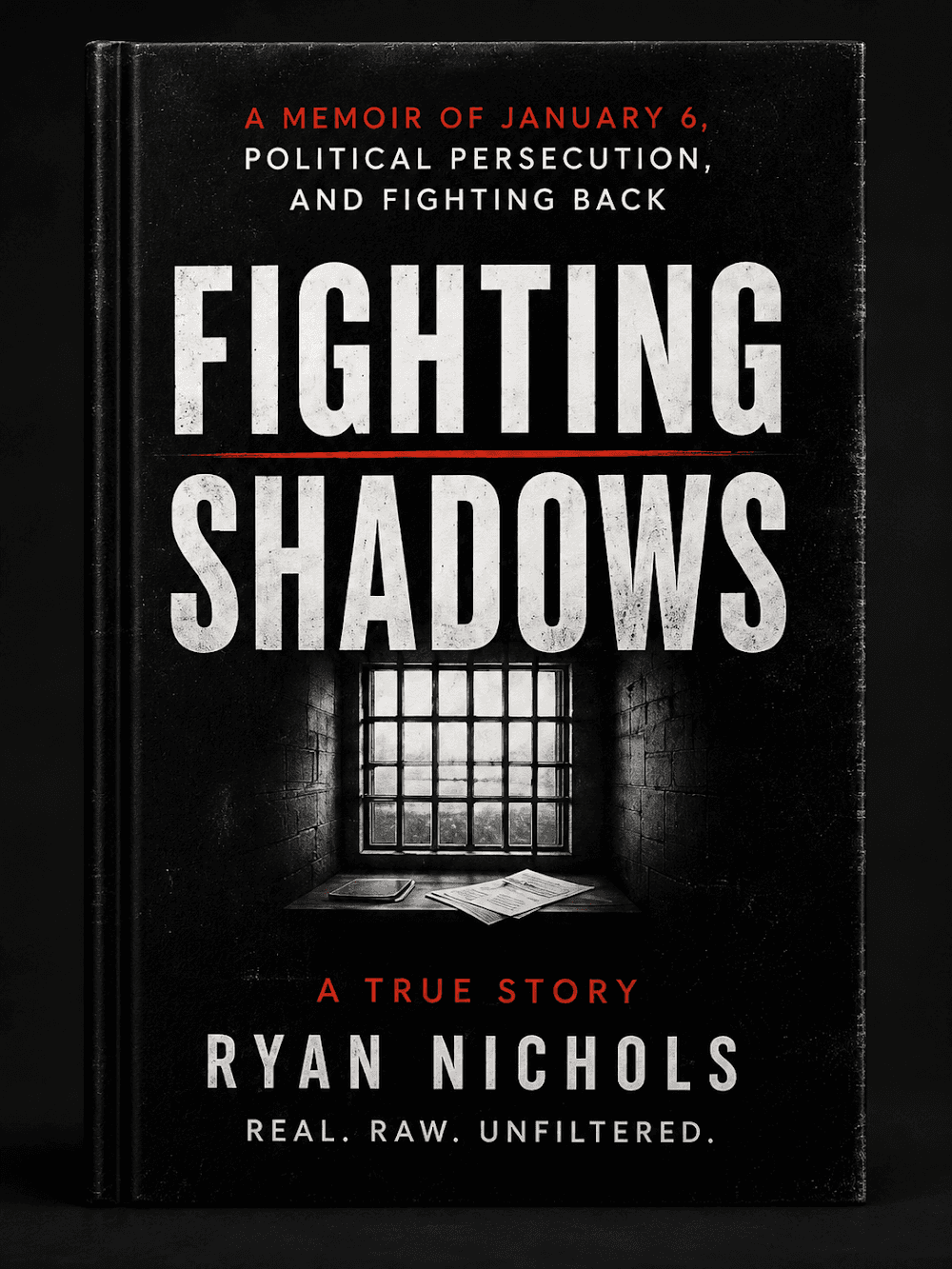
Follow the case
The record is still being written. Get one email when something new drops on it.
Hire Ryan
I built this site. Want one that brings your business real leads? Start with a free 30-minute call.See the services


Tap how this hits you — no signup, everyone sees the count
Share this post — get it back in front of people
Comments
Speak here
Create an account to comment.
This is where people can say what gets buried or cancelled elsewhere. Comments are signed-only, moderated, and tied to a real profile so the record stays usable.
No approved comments yet. Create an account and put the first opinion on the record.