
A Reusable Proposal Still Needs One Client-Specific Page
By Ryan Nichols
- 8 total reach
- 0 reading now•0 active 24h
- 0 shares•0 inbound
- 0 comments

A proposal should not begin from a blank page every time.
That is slow. It creates inconsistent pricing, forgotten terms, and a different sales process for every person on the team.
But a proposal should not feel like a mail merge either.
If the buyer can change the company name and send your document to a competitor without changing anything else, you did not write a proposal. You attached a brochure.
The answer is not choosing between custom and reusable.
Reuse the structure. Customize the diagnosis.
Lock the parts that should not drift
Some proposal sections should be standardized because the business needs one reliable promise.
Keep these reusable:
- who your company is and what kind of work it accepts;
- the delivery process and named handoff points;
- proof that has permission and clear provenance;
- standard terms, exclusions, and payment rules;
- how scope changes are priced and approved; and
- what happens after the buyer says yes.
These sections improve with review. Legal language gets cleaner. Proof gets stronger. The delivery team catches promises sales should stop making.
When every salesperson rewrites them from memory, the company loses what it already learned.
Put the buyer on one page
The client-specific page should be early in the proposal. Page one or page two is better than page nine.
It needs five things.
1. The current situation
Describe what is true now in language the buyer recognizes.
Do not exaggerate. Do not diagnose something you never verified.
“New website leads arrive in a shared inbox, and no field identifies who owns the next reply” is useful.
“Your entire sales system is broken” is noise unless the evidence supports it.
2. The cost of leaving it alone
Name the operational consequence without inventing revenue.
The consequence may be delayed replies, repeated data entry, inconsistent quotes, a handoff that depends on one employee’s memory, or no record of why a lead was lost.
If you do not have a measured dollar figure, do not create one. Explain the friction you can prove.
3. The proposed change
State what will be different when the work is finished.
Not a list of software names.
Not “digital transformation.”
Write the result in operating language: one intake path, one named owner, one response window, one versioned quote, one visible status.
4. The evidence
Show the screenshot, audit finding, workflow observation, or client-approved case study that supports the recommendation.
Proof has a chain. The buyer should know what the evidence represents, when it was observed, and whether it came from the buyer’s own system or from a different project.
Do not turn a private lead screenshot into decoration. Redact personal data. Obtain permission. Explain the limit of the example.
5. The decision
Tell the buyer what choice the proposal is asking them to make.
Approve phase one. Select an option. Schedule a diagnostic. Confirm the scope. Decline the project.
A proposal with no decision is a document asking to be “reviewed” forever.
Reader poll
Where do your proposals lose people?
Tap your answer to vote
One tap. Free and anonymous. No signup to vote.
Reuse proof without turning it into theater
Good proof can travel from one proposal to another when the context is honest.
A case study can show that your process works. A sample dashboard can show how a decision becomes visible. A before-and-after workflow can show the difference between an inbox and a managed lead path.
But proof from another company does not prove this buyer has the same problem.
That is why the client page comes first.
Ryan stated a related operator lesson in a public work note: “The second job is already priced.” A reusable system can make the next configuration faster. It still needs a record of which configuration this customer actually approved.
Build the proposal as modules
Use five modules instead of one giant template:
- Diagnosis: always client-specific.
- Recommended scope: selected from approved service components, then edited for the actual work.
- Proof: chosen because it supports this recommendation.
- Terms and handoff: standardized and version controlled.
- Decision page: price, option, expiration, approval, and next step.
Keep a version number on the finished proposal. Every Quote Needs a Version, Not Just a Price explains why the accepted record should never be edited in place.
The proposal ID should follow the work into the CRM or project record. Every New Lead Needs One Named Owner covers the same principle at intake. Ownership should not disappear because the format changed from lead to deal.
Run the ten-minute generic test
Open the latest proposal you sent.
Remove the client’s name and logo.
Now ask:
- Can I still tell what specific problem we observed?
- Does the proposal name what will change in this operation?
- Is the proof tied to that recommendation?
- Can the buyer see the exact decision?
- Would a competitor in a different industry receive the same first two pages?
If the last answer is yes, rewrite the client page.
Do not rebuild the entire document. Protect the good system. Repair the part that proves attention.
The Lead Flow Pro diagnostic is a natural fit when the proposal depends on intake, ownership, follow-up, quoting, and handoff. It can map the current path before anybody promises a solution the evidence does not support.
Which page in your current proposal proves you understand the buyer in front of you?
Reader poll
What will you change first?
Tap your answer to vote
One tap. Free and anonymous. No signup to vote.
Editorial visual disclosure: The header image is an original AI-assisted conceptual illustration. It does not depict a real client proposal, signature, company, or private record.
You made it to the end
Most people quit at the headline. You didn’t.
So don’t stop here. Pick one.
Read the book
Fighting Shadows is the whole story in my own words: the road into January 6, the D.C. jail, and the fight to get the record out.See the book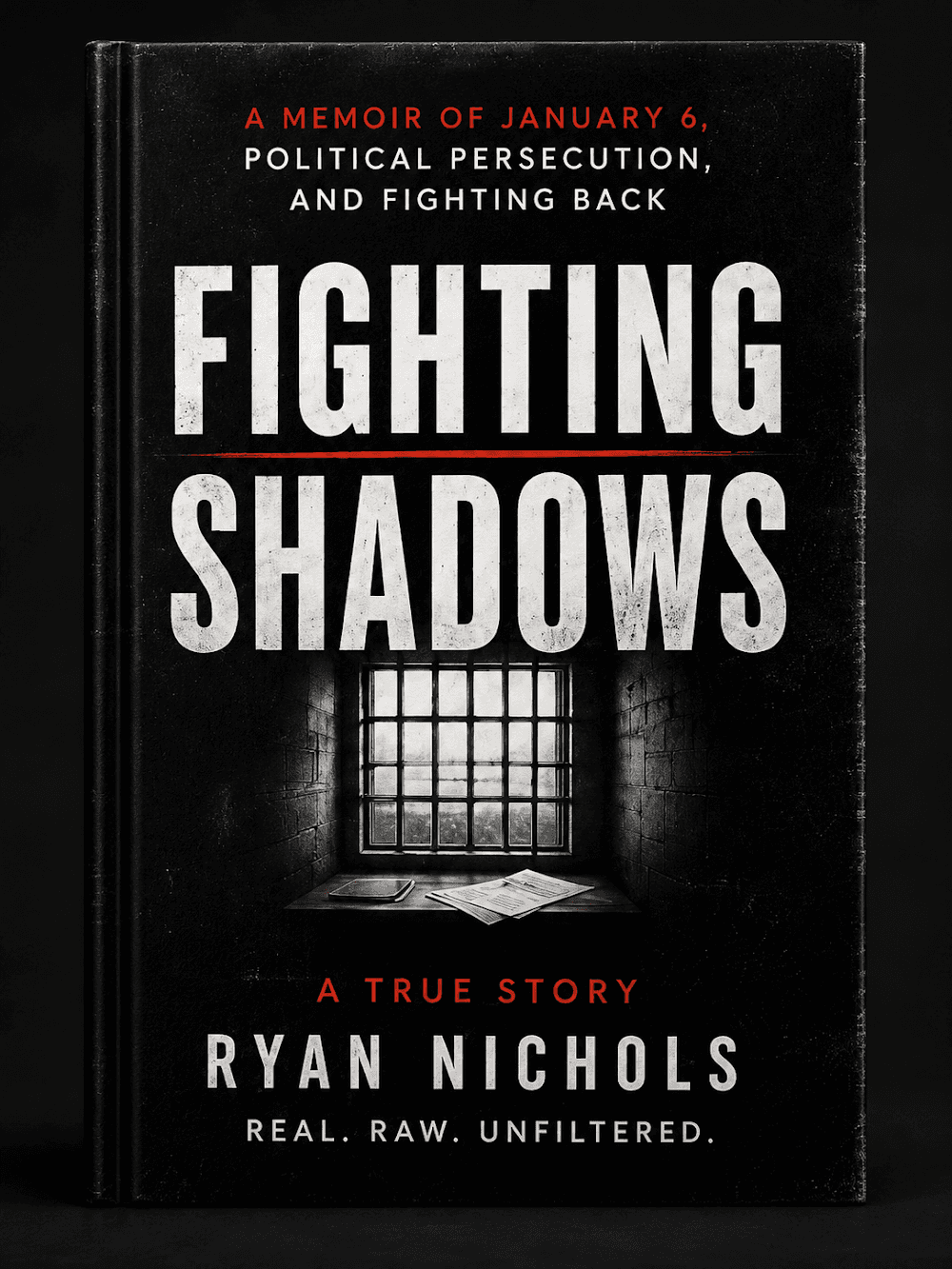
Follow the case
The record is still being written. Get one email when something new drops on it.
Hire Ryan
I built this site. Want one that brings your business real leads? Start with a free 30-minute call.See the services



Tap how this hits you — no signup, everyone sees the count
Share this post — get it back in front of people
Comments
Speak here
Create an account to comment.
This is where people can say what gets buried or cancelled elsewhere. Comments are signed-only, moderated, and tied to a real profile so the record stays usable.
No approved comments yet. Create an account and put the first opinion on the record.