
A Feed Nobody Can Turn Off
221 articles, and three boring files keep them mine. Why a sitemap, an RSS feed, and an app manifest beat any algorithm you are currently renting.
By Ryan Nichols
- 118 total reach
- 0 reading now•0 active 24h
- 0 shares•0 inbound
- 0 comments
There are 221 published articles on this site as of this morning.
If every social platform I have an account on went dark tonight, all 221 would still be here in the morning. Still readable. Still findable. Still mine.
That is not luck. It is three pieces of plumbing I put in on purpose, and nobody claps for plumbing. I am going to walk you through them anyway, because most people building an audience right now are one policy change away from losing the whole thing and they have no idea.
Rented reach is a loan with no written terms
Here is the deal you actually signed when you built on somebody else's platform.
They decide who sees you. They decide when. They can change that tomorrow with no notice, no appeal, and no explanation. They can suspend you by mistake and take six weeks to look at it. They can quietly stop showing your posts and you will never get a letter about it, you will just watch the numbers fall and assume you got worse at writing.
None of that is a conspiracy. It is just the arrangement. You are a tenant. Tenants can be asked to leave.
I have already lived the version of my life where things I depended on got switched off without a conversation. I am not building another one.
Piece one: a map of everything
The first thing I shipped was a sitemap. It is an XML file that lists every page on the site with the date it last changed.
That is it. That is the whole technology. It is a table of contents that machines can read.
What it buys me is that I never have to hope a crawler stumbles into the archive through a link somebody happened to post. Every article announces itself. When I publish at 6:05 in the morning, the map updates itself, and the thing that indexes the web can see the new page without any human being deciding to share it first.
Piece two: a feed anybody can subscribe to
The second thing is an RSS feed. It is old. It is boring. It has outlived almost every platform that was supposed to replace it.
An RSS feed is a plain file that says here are the newest articles, here are their titles, here is where they live. Any reader app on earth can pull it. No account. No login. No algorithm sitting in the middle deciding whether today is your day.
That last part is the whole reason it exists on my site. When somebody subscribes to the feed, the connection between me and that person has no owner. Nobody can throttle it. Nobody can monetize it out from under either of us. Nobody can decide we should not be talking anymore.
Piece three: an icon on the home screen
The third piece is a web app manifest, which is what turns the site into an installable app. A small JSON file that tells a phone the name, the icon, the colors, and how to launch it without a browser bar.
Somebody hits install, and now there is an icon on their home screen that goes straight to my archive. That is a direct line. It does not route through a feed. It does not get ranked against a thousand other things competing for the same three seconds.
An icon on a home screen is real estate you cannot buy with ad dollars. Somebody has to decide to give it to you.
The number that made this urgent
Look at what has happened to the pile since I started.
Articles published to the RealRyanNichols.com archive by month
Source: RealRyanNichols.com published archive, counted August 8, 2026
Thirty three in May. Fifty three in June. A hundred and twelve in July. Twenty three in the first eight days of August.
That curve is the argument. When you have thirty articles, losing the platform is annoying. When you have two hundred and twenty one, losing the platform is losing a year of work and every reader who found it. The bigger the pile gets, the more expensive it becomes to be a tenant.
So the rule I run on now is simple. Publish to the thing I own first. Everything else is a copy, and a copy can go dark without taking the original with it.
What this costs
Not much, and that is the frustrating part.
A sitemap is generated automatically. A feed is generated automatically. A manifest is a file you write one time and mostly never touch. All three are open standards, published in public, free to implement, and older than most of the companies people are building their careers inside of.
The reason more people do not do it is not cost. It is that none of it produces a dopamine hit. There is no notification when your sitemap updates. Nobody hearts your RSS feed. You do this work and the reward is that nothing bad happens later, which is the hardest kind of reward to stay motivated by.
I have gotten comfortable with that. Most of what I have built that actually held up was invisible while I was building it.
The test
Here is how I check myself now, and you can run it on your own operation in about a minute.
Pick the platform you get the most from. Imagine it deletes your account tonight, no warning, no appeal. Tomorrow morning, how do you reach the people who were reading you?
If the honest answer is that you do not, you are not running a platform. You are running a campaign on somebody else's, and they have not promised you anything.
What would you actually lose if your biggest platform went dark tonight, and what is stopping you from making a copy of it somewhere you control?
You made it to the end
Most people quit at the headline. You didn’t.
So don’t stop here. Pick one.
Read the book
Fighting Shadows is the whole story in my own words: the road into January 6, the D.C. jail, and the fight to get the record out.See the book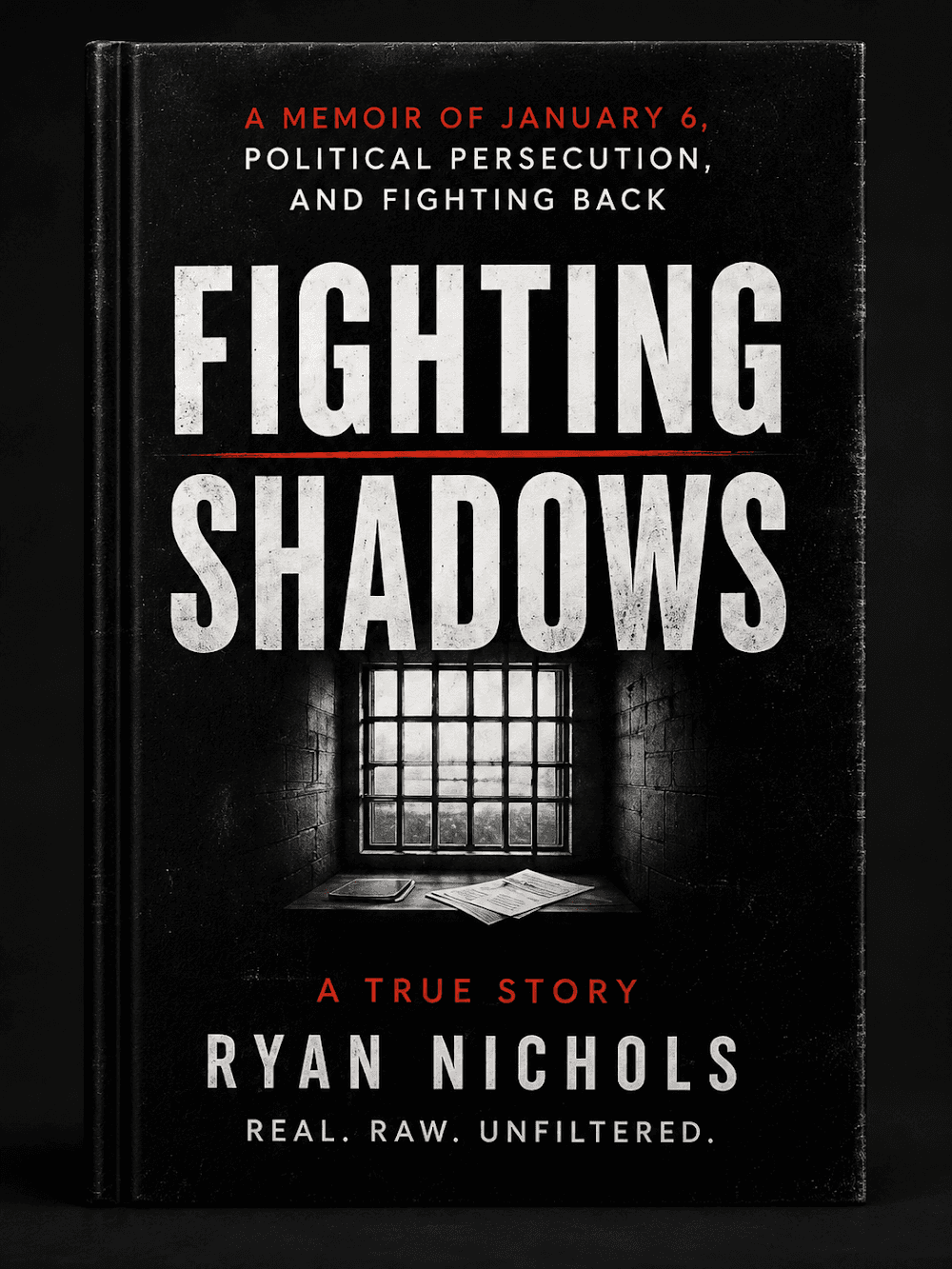
Follow the case
The record is still being written. Get one email when something new drops on it.
Hire Ryan
I built this site. Want one that brings your business real leads? Start with a free 30-minute call.See the services
Tap how this hits you — no signup, everyone sees the count
Share this post — get it back in front of people
Comments
Speak here
Create an account to comment.
This is where people can say what gets buried or cancelled elsewhere. Comments are signed-only, moderated, and tied to a real profile so the record stays usable.
No approved comments yet. Create an account and put the first opinion on the record.