
The typhoon checklist
The Marines on Okinawa ran a numbered typhoon countdown starting 72 hours out. Here is that same system rewritten for your house, room by room, printable.
By Ryan Nichols
- 115 total reach
- 0 reading now•0 active 24h
- 0 shares•0 inbound
- 0 comments
On Okinawa, a storm was never an event. It was a countdown.
The military there does not wait for the wind. They run a numbered readiness system called Tropical Cyclone Conditions of Readiness, TCCOR for short, and it counts down as the storm gets closer. It is built around the forecast of sustained winds of 50 knots or greater, which is about 58 miles an hour.
Here is how the numbers work, straight from the Marine Corps TCCOR guidance:
- TCCOR 4: those winds are possible within 72 hours.
- TCCOR 3: possible within 48 hours.
- TCCOR 2: destructive winds anticipated within 24 hours.
- TCCOR 1: destructive winds anticipated within 12 hours.
- TCCOR 1 Emergency: destructive winds are happening right now.
Read that list again and notice what it actually is.
It is not a warning system. It is a task list with a clock attached. Every number has work bolted to it. By the time the wind shows up, you are not doing anything. You already did it. Three days ago.
I spent about two years there with Combat Logistics Regiment 37 Comm Company. I did not deploy to a combat theater, so I will not pretend a typhoon was combat. But I will tell you the thing that stuck: I never once saw a Marine sprinting for water at the last minute.
Then I came home and started doing volunteer disaster work, and that is all I saw. Everywhere. Every storm.
The difference between prepared and panicked is 72 hours
The people I pulled out of water were not careless people. They were normal people who started at hour six instead of hour seventy two.
At hour seventy two, the store has water. The gas station has gas. The bank is open. Your neighbor answers the phone. You have time to think.
At hour six, you are in a line, everything is gone, and your plan is now hope.
Same storm. Same family. Different starting time.
East Texas does not get typhoons. We get straight line winds, ice, tornadoes, and the kind of rain that turns a county road into a creek. Different weather. Same countdown.
So here is that system rewritten for a house instead of a base.
THE COUNTDOWN
72 hours out. Decide and buy. Decide right now whether you stay or you go, and write down what would change your mind. Fill the vehicle with fuel. Pull cash. Refill prescriptions. Do the laundry so everything you own is clean and dry. Charge everything with a battery in it.
48 hours out. Water and food. Fill water containers. Freeze bottles of water so the freezer holds cold longer and you have drinking water when they thaw. Cook what will spoil. Buy the shelf stable food you will actually eat.
24 hours out. Secure and stage. Everything loose outside comes in or gets tied down. Stage the go bags by the door. Take the photos of every room for insurance. Fill the bathtub for flushing water.
12 hours out. Stop. No more errands. Everybody is home. Radio on. Phones charged. Shoes on, by the bed.
During. Small and low. Interior room, lowest floor, no windows. Shoes stay on. Radio stays on.
After. Slow. Do not walk or drive through moving water. Do not touch a downed line. Take pictures before you clean anything up. Check on the neighbor who lives alone before you check your own fence.
THE PRINTABLE LIST, ROOM BY ROOM
Print this. Tape it inside a cabinet door. Work it in this order.
KITCHEN
- One gallon of water per person per day, minimum three days, per the Ready.gov kit standard
- Three days of food nobody has to cook
- Manual can opener that is not in a drawer full of junk
- Paper plates, cups, plastic utensils
- Cooler and a bag of ice
- Trash bags, two boxes
- Extra water for pets
- Cook or eat the freezer food first, before it turns
BATHROOM
- Fill the tub the night before, for flushing
- Prescriptions refilled, thirty days if you can get it
- First aid kit, checked, not just owned
- Soap, hand sanitizer, wipes
- Toilet paper, extra
- Feminine and personal hygiene supplies
- Diapers and formula if that is your house
BEDROOMS
- One go bag per person, packed, by the door
- Change of clothes, long sleeves, long pants, closed shoes
- Sleeping bag or blanket per person
- Shoes beside the bed, laces loose, every night of the storm
- Comfort item for every kid, no negotiating on that one
LIVING ROOM AND SAFE ROOM
- Pick the interior room now, lowest floor, no windows
- Flashlight per person, not one for the house
- Batteries, the sizes you actually use
- A NOAA Weather Radio with battery or hand crank, because your phone will die and the towers may not stay up
- Battery bank per phone, charged
- Whistle
- Helmet or ball cap for each kid if the wind is the threat
GARAGE, SHED AND YARD
- Everything loose comes inside. Chairs, grill, toys, trash cans, flowerpots, tools
- Trim the branch you have been meaning to trim for two years
- Clear the gutters and the storm drain in front of your house
- Fuel for the generator, stored outside the house, never inside
- Generator runs outside only, far from windows, never in a garage
- Chainsaw fueled, bar oil topped off, if you know how to run one
- Tarps, rope, duct tape
THE VEHICLE
- Fuel tank full at 72 hours, not at 12
- Spare tire aired up, jack and iron actually in the car
- Jumper cables
- Phone charger that works in the car
- Paper map of your county, because you will lose signal
- Blanket, water, snacks, small first aid kit in the trunk
- Park it away from trees and out of low ground
- Second route out of your neighborhood, driven once, in daylight, so you know it is real
DOCUMENTS AND MONEY
- Photos of every room and the outside of the house, taken before the storm
- Insurance policy numbers and the claim phone number, on paper
- Copies of IDs, birth certificates, deed or lease, titles
- All of it in one waterproof bag, in one go bag, that one person is responsible for
- Cash in small bills, because the card readers go down with the power
PEOPLE AND ANIMALS
- One out of state contact everybody in the family knows to call, because local lines jam first
- A written plan for where you meet if you get separated
- Check on the elderly neighbor, the single mother, the family with the new baby
- Pet food, leashes, carriers, vaccination records
- Know now which shelter takes animals, because most do not
Ready.gov keeps a broader severe weather guide worth reading once, in a calm week, with coffee.
The part nobody writes down
A checklist is not the point.
The point is that somebody in your house has to be the person who starts it. Not when the wind comes. When the forecast comes.
On Okinawa, that was a whole system with numbers and radio broadcasts and a general who owned the call. In your house, it is one person who looks at a forecast three days out and says out loud: we are starting.
Be that person. Nobody appoints you. You just start.
I have seen what the other version looks like from a boat, at night, with a flashlight, looking up at a roof.
So let me ask you plain.
If the forecast turned bad tonight, who in your house starts the countdown, and does everybody else already know it is them?
You made it to the end
Most people quit at the headline. You didn’t.
So don’t stop here. Pick one.
Read the book
Fighting Shadows is the whole story in my own words: the road into January 6, the D.C. jail, and the fight to get the record out.See the book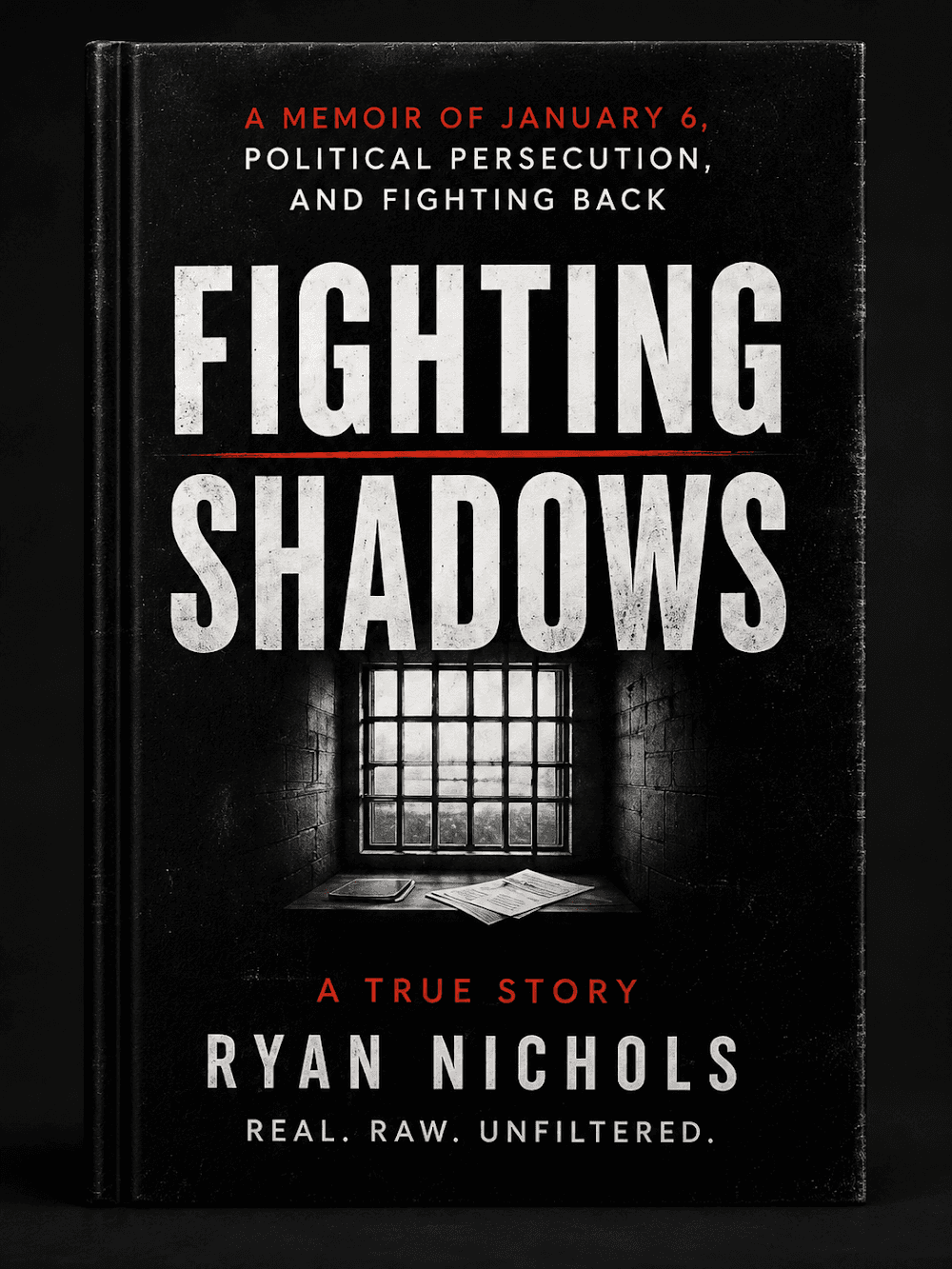
Follow the case
The record is still being written. Get one email when something new drops on it.
Hire Ryan
I built this site. Want one that brings your business real leads? Start with a free 30-minute call.See the services



Tap how this hits you — no signup, everyone sees the count
Share this post — get it back in front of people
Comments
Speak here
Create an account to comment.
This is where people can say what gets buried or cancelled elsewhere. Comments are signed-only, moderated, and tied to a real profile so the record stays usable.
No approved comments yet. Create an account and put the first opinion on the record.