
The Recall That Changed Every Medicine Cabinet
The 1982 poisonings led to recalls, federal packaging rules, and visible safety seals. The lasting business lesson is how trust gets rebuilt under pressure.
By Ryan Nichols
- 129 total reach
- 0 reading now•0 active 24h
- 0 shares•1 inbound
- 0 comments
By Ryan Nichols
Before 1982, opening a bottle of over-the-counter medicine was a different act.
The cap came off. The product was inside. Consumers generally did not expect a printed neck band, a foil barrier, a breakaway ring, or a label explaining which feature should still be intact.
Then seven people in the Chicago area died after taking cyanide-laced Tylenol capsules.
The poisonings were a crime. They also exposed a system that gave consumers too little visible evidence of whether a package had been opened.
The response reached far beyond one product. A nationwide recall removed bottles from shelves. Federal regulators issued tamper-resistant packaging requirements in 1982. Congress enacted the Federal Anti-Tampering Act in 1983. Manufacturers changed bottles, seals, capsules, labels, and the ordinary ritual of opening medicine.
The little barrier under a cap is not decoration. It is the visible result of a country learning, at terrible cost, that trust needs evidence.
Reader poll
What rebuilds trust fastest after a crisis?
Tap your answer to vote
One tap. Free and anonymous. No signup to vote.
The first responsibility was public safety
The 1982 poisonings created a nightmare for investigators, families, retailers, regulators, and the manufacturer.
The product was familiar. The threat was invisible. The public could not tell which packages were safe by looking at the outside.
That uncertainty is what turns an incident into a system-wide crisis.
When the risk cannot be isolated quickly, the responsible question is not, "How much will this cost us?" It is, "What action protects people while the facts are still incomplete?"
The recall was expensive. It was also legible. Pulling product from shelves told the public that safety had priority over defending inventory.
That does not solve a crime or erase harm. It establishes the order of operations: protect people, preserve facts, cooperate with authorities, communicate what is known, and then rebuild the system.
A safety feature has to leave evidence
The FDA's standard is practical.
A tamper-resistant package must have one or more barriers or indicators that can reasonably be expected to give consumers visible evidence if tampering occurred.
That idea produced familiar designs:
- Film wrappers that must be torn
- Blister packs with individual sealed compartments
- Heat-shrink bands around caps
- Inner foil, paper, or plastic seals across the container mouth
- Breakaway caps that cannot be restored to their original condition
The feature also has to be identified. A label should tell the consumer what intact protection to expect.
That is the deeper design lesson. Security that only an engineer can recognize is not enough. The person using the product needs a clear signal.
A good control answers two questions without a meeting:
- What should normal look like?
- What evidence tells me it has been breached?
Those questions apply to far more than medicine.
Trust does not come back because a company asks for it
After a serious failure, leaders often want to move directly to reassurance.
"Trust us."
"We take this seriously."
"This will never happen again."
Those sentences are cheap when the system looks the same.
Trust returns when people can see what changed.
The new seal mattered because a consumer could inspect it. The labeling mattered because the package explained the control. The federal rule mattered because the standard did not depend on one company's mood. The criminal statute mattered because product tampering became a defined federal offense with consequences.
This is why a crisis response should create receipts.
If customer data was exposed, show the containment steps, the reset, the retention change, and the independent test. If money was mishandled, change who can approve, who can release, and who can audit. If a handoff failed, rebuild the handoff so the next person does not need private knowledge to notice the problem.
The factory rule that let one worker stop everything worked because responsibility was built into the production system. The same principle lives in a tamper-evident seal. Do not ask people to be brave enough to ignore a warning. Make the warning visible and give them a safe next action.
Reader poll
Which control is most valuable?
Tap your answer to vote
One tap. Free and anonymous. No signup to vote.
The packaging did not solve every risk
Tamper-resistant does not mean tamper-proof.
The distinction is important. A determined person may defeat a barrier. The barrier's job is to make entry harder and leave evidence that a consumer can recognize.
Regulators have revised the requirements as packaging methods changed. Some seals once considered useful were later judged inadequate because they could be removed and replaced without visible damage. Unsealed two-piece hard gelatin capsules now require at least two tamper-resistant packaging features unless the capsules themselves use tamper-resistant sealing technology.
That is what living safety work looks like. The control is tested against reality. If reality finds a weakness, the standard changes.
Organizations get in trouble when a control becomes ceremonial. The checklist still exists, but everyone knows how to bypass it. The approval is still required, but the same person controls every step. The alarm still flashes, but nobody owns the response.
A control that can be defeated without leaving evidence is theater.
Build the seal before the crisis
Pick one promise your business makes to a customer.
Maybe it is that a lead will be called. A payment will be tracked. A document will be delivered. A tip will remain confidential. A backup will exist. A request will not disappear between departments.
Now ask:
- What is the container around that promise?
- What does intact look like?
- What visible evidence shows the promise was broken?
- Who can stop the process?
- Who receives the alert?
- Can the failure be hidden and quietly reset?
If the answer to the last question is yes, build a better seal.
It may be a confirmation number, an immutable log, a second approval, an automatic copy, a checksum, a customer receipt, or a dashboard that shows the missing handoff. The exact tool matters less than the principle: important trust should leave evidence.
That is also why portability matters. If you cannot export it, you do not own it. A system that can erase your history without a trace is the digital version of a package that can be opened and perfectly resealed.
The ordinary seal is a quiet memorial
Most people now peel the foil, break the ring, or tear the wrapper without thinking about why it is there.
That is what successful safety infrastructure often looks like. The lesson becomes ordinary. A design born from crisis turns into a normal expectation.
The history should still be remembered carefully. Seven people died. The crime was not made harmless by a strong corporate response or a new regulation. No business lesson should flatten human loss into a slogan.
The useful lesson is narrower and harder: when trust is broken, words are not enough. Protect people first. Tell the truth you know. Change the system. Make the new protection visible.
Then keep testing whether the seal still means what it says.
Reader poll
Where does your work need a visible seal?
Tap your answer to vote
One tap. Free and anonymous. No signup to vote.
Primary sources checked
Facts were verified at 5:40 a.m. Central on August 13, 2026, using the FDA's history of anti-tampering regulations after the 1982 poisonings, its current guidance on tamper-resistant packaging systems, and Congress.gov's record of Public Law 98-127, the Federal Anti-Tampering Act. The 1982 killer has not been conclusively identified.
For another story about building systems under pressure, read The Box of Scraps That Helped Bring Apollo 13 Home.
If your business has a handoff that keeps breaking when the pressure rises, work with Ryan to make the failure visible and build a system people can trust.
Sharing this is the biggest help. Put it in front of one more person.
OG artwork disclosure: The social image is an original synthetic conceptual illustration of generic packaging. It is not a photograph of the 1982 product, a crime-scene image, or documentary evidence.
You made it to the end
Most people quit at the headline. You didn’t.
So don’t stop here. Pick one.
Read the book
Fighting Shadows is the whole story in my own words: the road into January 6, the D.C. jail, and the fight to get the record out.See the book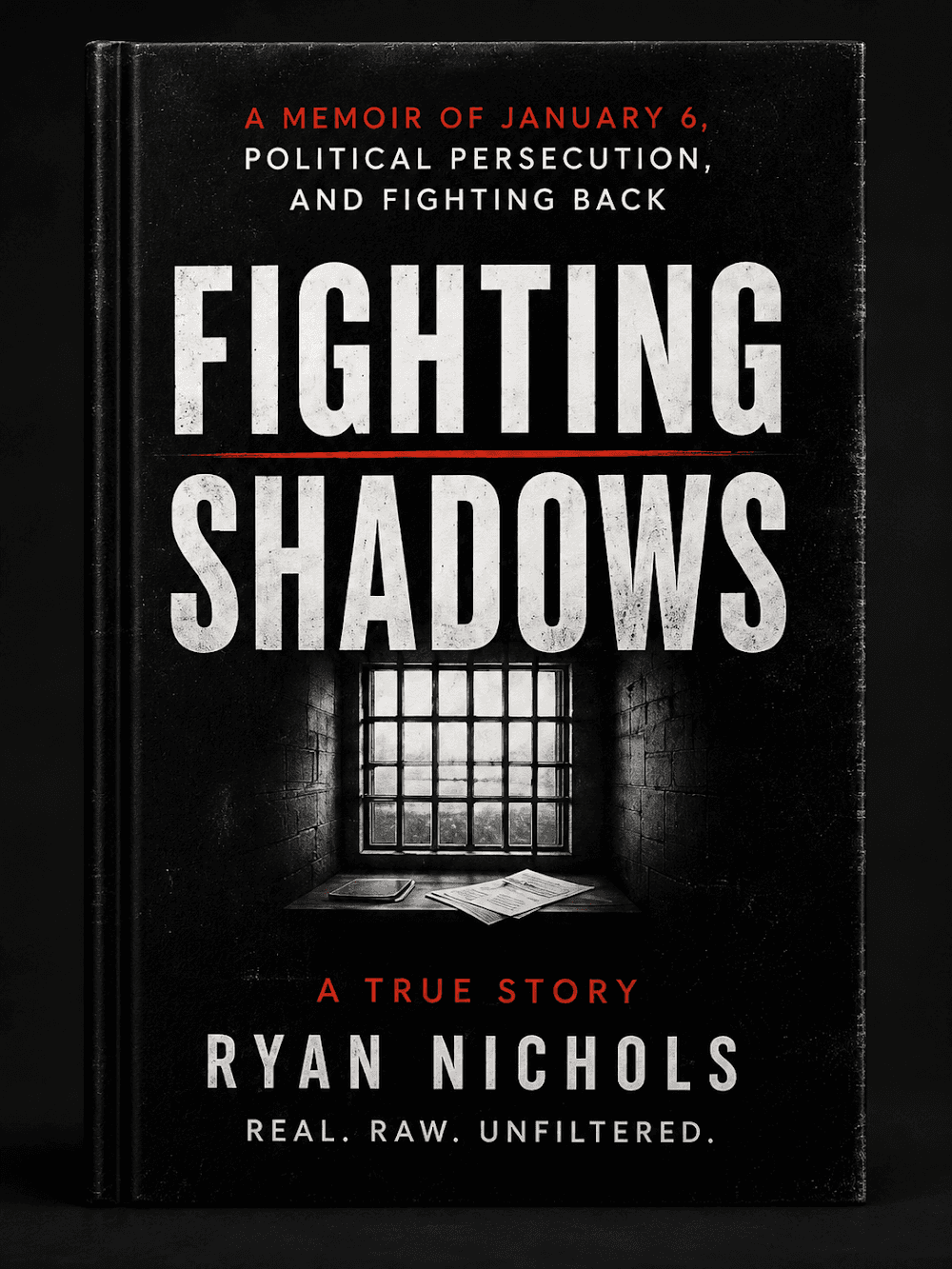
Follow the case
The record is still being written. Get one email when something new drops on it.
Hire Ryan
I built this site. Want one that brings your business real leads? Start with a free 30-minute call.See the services


Tap how this hits you — no signup, everyone sees the count
Share this post — get it back in front of people
Comments
Speak here
Create an account to comment.
This is where people can say what gets buried or cancelled elsewhere. Comments are signed-only, moderated, and tied to a real profile so the record stays usable.
No approved comments yet. Create an account and put the first opinion on the record.