
Leave Them $3,000: Texas HB 1267 Would Shield Bank Accounts From Debt Freezes
HB 1267 would protect the first $3,000 in a Texan's bank accounts from consumer debt garnishment and freezes, automatically, with wages presumed safe.
By Ryan Nichols
- 43 total reach
- 0 reading now•1 active 24h
- 0 shares•0 inbound
- 0 comments
A debt collector wins a judgment. The bank freezes the account. Rent, gas and groceries are stuck behind it.
A new Texas House bill says no. Leave the family $3,000.
Plain English summary
House Bill 1267 was filed in the Texas House on November 20, 2026, by Rep. McGee. It calls itself the Basic Needs Protection Act. (FACT, HB 1267 bill history)
Here is what it does, straight from the bill text. (FACT, HB 1267 as filed)
- The first $3,000 a person has in the bank is protected from being taken to pay a judgment on a consumer debt.
- It is automatic. You do not have to file anything to claim it.
- It covers garnishments, levies, freezes, turnover orders and receivers.
- The bank has to leave you full access to that money before it freezes or sends anything.
- The bank cannot charge a garnishment or processing fee against that protected money.
- Wages you deposited in the last 60 days are presumed to be wages, which Texas already protects. The creditor has to prove otherwise by clear and convincing evidence.
- Any waiver of the protection is void, even one buried in a payment plan or settlement.
- The $3,000 floor rises with inflation every two years starting in 2028. It can never drop below $3,000.
What it does not touch
The bill does not apply to court-ordered child support, alimony or spousal maintenance. It does not stop a bank from using its own contract right of setoff. (FACT, HB 1267 as filed)
It is limited to consumer debt. If a creditor says the judgment is not consumer debt, it has to certify that in writing. A false certification costs actual damages, a $1,000 civil penalty and attorney's fees. (FACT, same source)
Why it matters
Texas already protects current wages from seizure. That is in Section 42.001(b) of the Property Code today. (FACT, Property Code 42.001)
But once the paycheck lands in the bank, the line gets blurry. The account gets frozen first and the fight comes later. Federal rules already protect about two months of direct-deposited federal benefits like Social Security. (FACT, 31 C.F.R. Part 212) A working family living on a paycheck has no flat cushion like that in Texas law right now. That is the gap this bill aims at. (DOCUMENTED INFERENCE, from the current statute and the bill)
The receipt
This is not a new idea, and it is not a one-party idea.
- 2021: Sen. Judith Zaffirini filed SB 644 on garnishment exemptions. (FACT, SB 644, 87th Legislature)
- 2023: Rep. Jeff Leach filed HB 3481 on the same subject. (FACT, HB 3481, 88th Legislature)
- 2026: HB 1267 is back with a hard dollar number and a rule for banks. (FACT, HB 1267)
Current Property Code still has no bank account cushion. So those earlier tries did not become law. (DOCUMENTED INFERENCE, from the current text of Section 42.001)
Texas Appleseed has pushed a "basic needs exemption" from debt collection as a priority before. (DOCUMENTED INFERENCE, Texas Appleseed)
Timeline in the bill: the Texas Supreme Court writes the forms and a plain-language notice in English and Spanish by December 1, 2027. The law takes effect January 1, 2028, and applies to any writ or freeze served after that, even on an old judgment. (FACT, HB 1267)
What Ryan says
(RYAN STATEMENT) I believe people should pay what they owe. That is not the question here.
The question is whether a man can get to work Monday after a collector freezes every dollar he has on a Friday. You take his gas money, you take the next paycheck too. Nobody gets paid that way.
$3,000 is not a fortune. It is rent and groceries and a tank of gas in East Texas. That is a floor, not a free pass.
I like that it is automatic. Most folks do not know how to file an exemption claim, and they should not need a lawyer to keep their grocery money.
I like that waivers are void. If the protection can be signed away in fine print, it is not protection.
I want answers too. What does it cost small banks and credit unions to run this? Does it make credit harder to get for working people? Show me the numbers before the vote.
Bills like this died twice already. Same idea, different party, same result. Let's see if this one gets a hearing.
What this does not prove
- It does not prove the bill will get a hearing or a vote. It was just filed.
- It does not prove how many Texans have had accounts frozen. I do not have a sourced number, so I am not giving one.
- It does not cancel any debt. The debt is still owed.
- It does not touch child support or alimony collection.
What it does prove
- A Texas bill would protect the first $3,000 in a person's bank accounts from consumer debt collection, automatically. (FACT)
- Wages deposited in the last 60 days would be presumed protected. (FACT)
- Republicans and Democrats have both filed this kind of bill before. (FACT)
The bottom line
Pay your debts. But do not freeze a family out of groceries to do it.
$3,000. Automatic. No fine print.
This is the record. Read the bill yourself.
Do not threaten anyone. Do not harass anyone. Do not contact anyone in my name. Read it. Share it. Send receipts, evidence, witnesses. Put eyes on the record.
You made it to the end
Most people quit at the headline. You didn’t.
So don’t stop here. Pick one.
Read the book
Fighting Shadows is the whole story in my own words: the road into January 6, the D.C. jail, and the fight to get the record out.See the book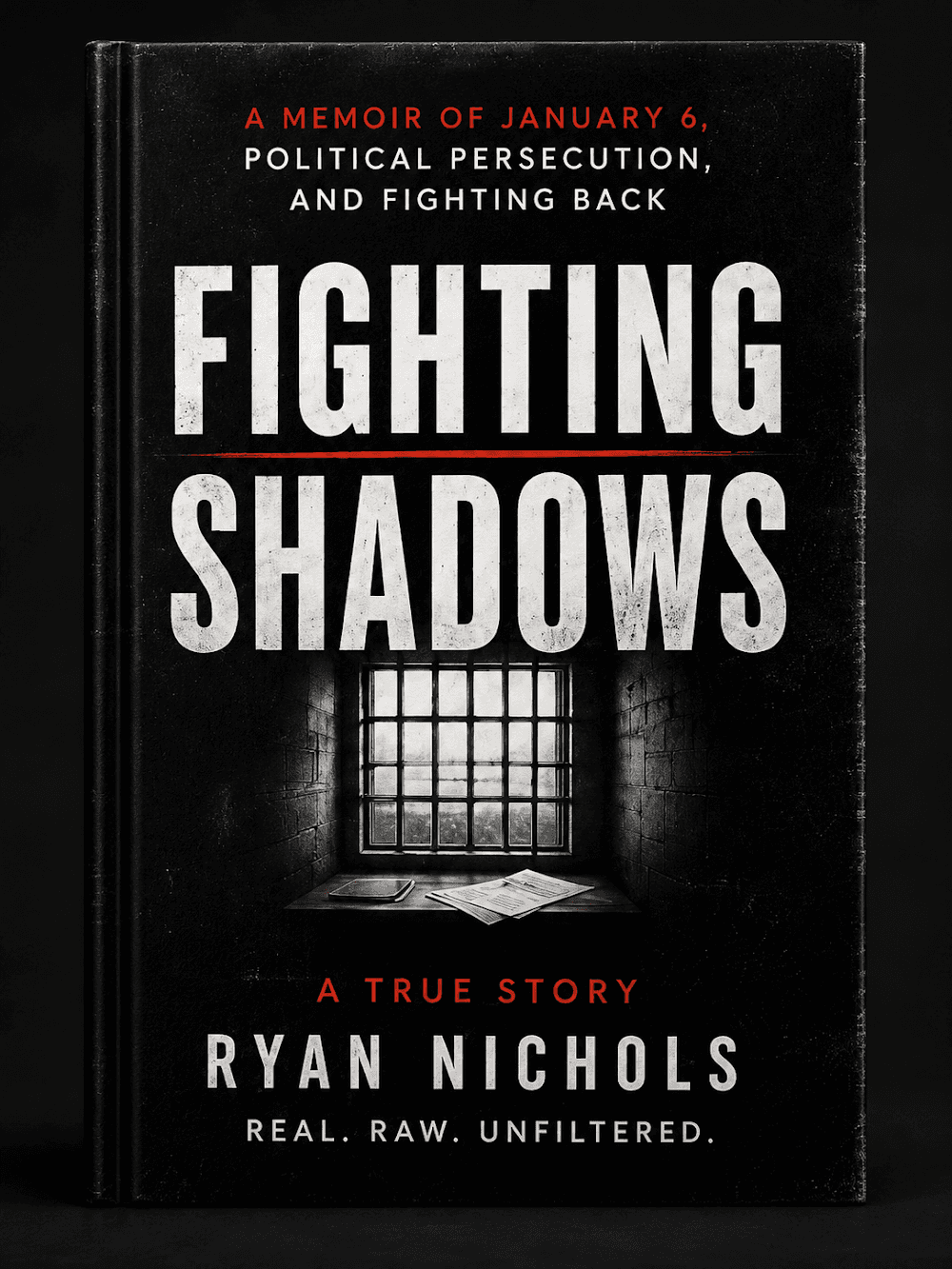
Follow the case
The record is still being written. Get one email when something new drops on it.
Hire Ryan
I built this site. Want one that brings your business real leads? Start with a free 30-minute call.See the services


Tap how this hits you. No signup, everyone sees the count
43
Views
0
Likes
0
Comments
0
Shares
Share it. Every share puts more eyes on the record.
Comments
Speak here
Create an account to comment.
This is where people can say what gets buried or cancelled elsewhere. Comments are signed-only, moderated, and tied to a real profile so the record stays usable.
No approved comments yet. Create an account and put the first opinion on the record.