
Four Names for One Subject. My Own Archive Was Hiding From Me.
238 articles, 46 categories, and January 6 filed under four different names. What one query against my own database taught me about owning the platform.
By Ryan Nichols
- 140 total reach
- 0 reading now•0 active 24h
- 0 shares•0 inbound
- 0 comments
I ran one query against my own site this morning and I did not like the answer.
238 published articles. 46 categories. Twenty of those categories contain exactly one article. Twenty five of them contain two or fewer.
That is not a taxonomy. That is a pile with labels stuck on it.
The four door problem
Here is the specific thing that stopped me cold.
January 6 is the largest subject on this site. It is why most people find me. It is the thing I hold the most primary documents on, the reason the entire case section exists, the reason there is a dedicated J6 hub at all.
It is filed under four different category names.
One subject, four category names: January 6 articles on RealRyanNichols.com
Source: RealRyanNichols.com post database, published posts through August 11, 2026
Fifteen articles under one name. Twelve under a shorter version of the same name. Six under a third. Two under a fourth. Thirty five pieces about one subject, split four ways, and none of the four groups points at the other three.
A reader who lands on one of those twelve does not get shown the other twenty three. Not because I decided to hide them. Because at some point across three months I typed a slightly different word into a field, and nothing on earth stopped me.
Nobody stopped me because I never built anything to stop me
This is the honest part.
I built a publishing system that runs itself. It writes, it schedules, it ships on time, it kept running the week my son was born. I am proud of that. But the category field on the back end of it was a free text box. Type anything, it takes it. Type it slightly differently tomorrow, it takes that too, and now you have two.
That is a design failure and it is mine. A field with no controlled list is not a field. It is a suggestion box that pretends to be structure.
The cost is not cosmetic. Categories are how a reader gets from one article to the next one. They are how a subject accumulates weight instead of scattering. Forty six shallow buckets means the archive never feels deep, even when it is 238 pieces deep. Every reader lands on an island.
The rented version of this problem is worse and you never see it
Run that same audit on a rented platform. You cannot.
On somebody else's feed there is no category field you control. There is no query you get to run. There is no export that tells you how your work is grouped, because you do not group it. An algorithm decides what sits next to what, it changes its mind on a schedule nobody publishes, and the closest thing you get to an audit is a dashboard designed to make you feel good enough to post again tomorrow.
I found a real structural flaw in my archive in about forty seconds because the archive is mine and it sits in a database I have the password to. That is not a small thing. That is the actual argument for owning the platform, and it is a much less romantic argument than the one people usually make.
The usual pitch is that you own your platform so nobody can take it away from you. True, and I have been deplatformed enough times to mean it. But the better reason is boring: you can measure it. You can find your own mistakes. You can fix them in an afternoon without asking permission and without waiting for a policy change.
Nobody was going to email me and say your J6 coverage is fragmented four ways. There is no support ticket for that. I had to be able to look.
What I am doing about it
Three things, in order, and I am writing them here so you can hold me to them.
One. Freeze the list. The category field stops being free text. There will be a short fixed set of categories, probably eight or ten, and the publishing system will only accept one of those. If a piece does not fit, that is a signal I need a new category on purpose, not by accident at 6 in the morning.
Two. Merge, do not delete. Every one of those 46 names gets mapped to one of the survivors. Nothing gets orphaned, and every old category URL redirects to where its articles actually went. If you bookmarked something, it still works. That rule matters more to me than the cleanup does. An archive that breaks its own links is not an archive.
Three. Publish the map. The list of categories and what belongs in each one goes on the editorial standards page next to the rest of the rules. If I am going to argue that the record should be checkable, my filing system should be checkable too.
The part that generalizes
If you run anything with a database behind it, go run the dumbest possible query on it this week. Count the distinct values in one field you assumed was clean. Customer sources. Lead statuses. Product tags. Job titles. Pick one.
You will find between three and six names for the same thing. Everybody does. The people who look are not smarter, they just looked.
I have been building systems since 2015 and the lesson has never changed: a system does exactly what you built it to do, including the parts you did not think you were building. I built a free text box. It gave me 46 categories. It did precisely what I asked.
238 articles in and my own archive was hiding from me. Now it is not. That is the whole update.
You made it to the end
Most people quit at the headline. You didn’t.
So don’t stop here. Pick one.
Read the book
Fighting Shadows is the whole story in my own words: the road into January 6, the D.C. jail, and the fight to get the record out.See the book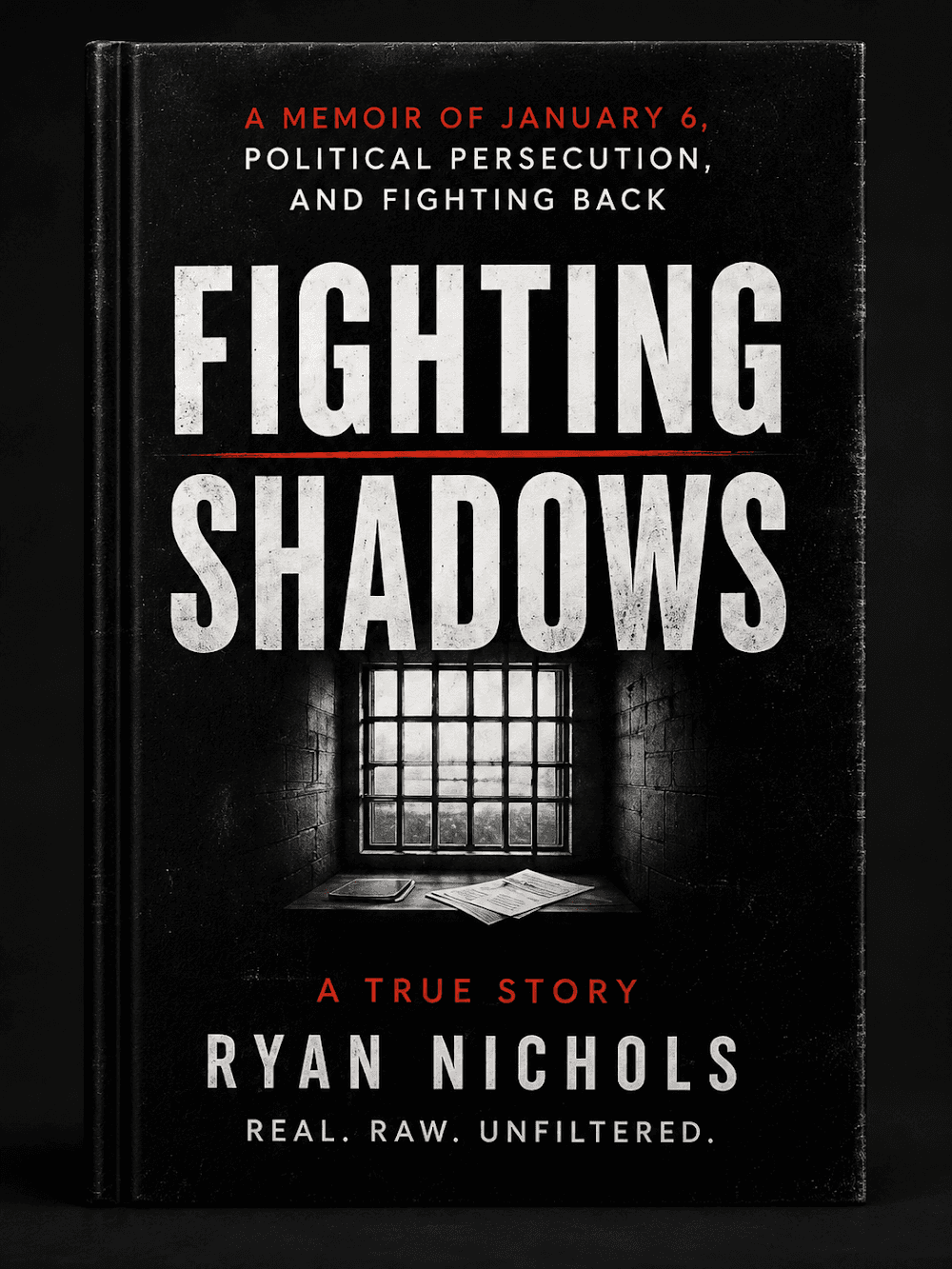
Follow the case
The record is still being written. Get one email when something new drops on it.
Hire Ryan
I built this site. Want one that brings your business real leads? Start with a free 30-minute call.See the services

Tap how this hits you — no signup, everyone sees the count
Share this post — get it back in front of people
Comments
Speak here
Create an account to comment.
This is where people can say what gets buried or cancelled elsewhere. Comments are signed-only, moderated, and tied to a real profile so the record stays usable.
No approved comments yet. Create an account and put the first opinion on the record.